The Soul of the Stroke: Understanding Gestural Expression and Emotional Depth
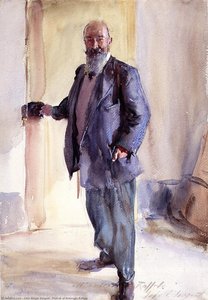
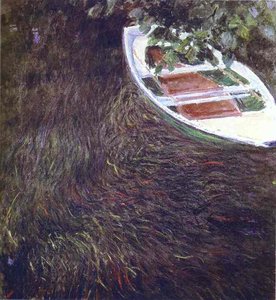
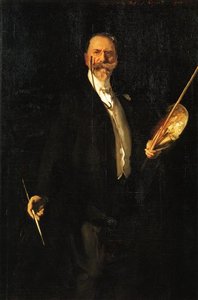
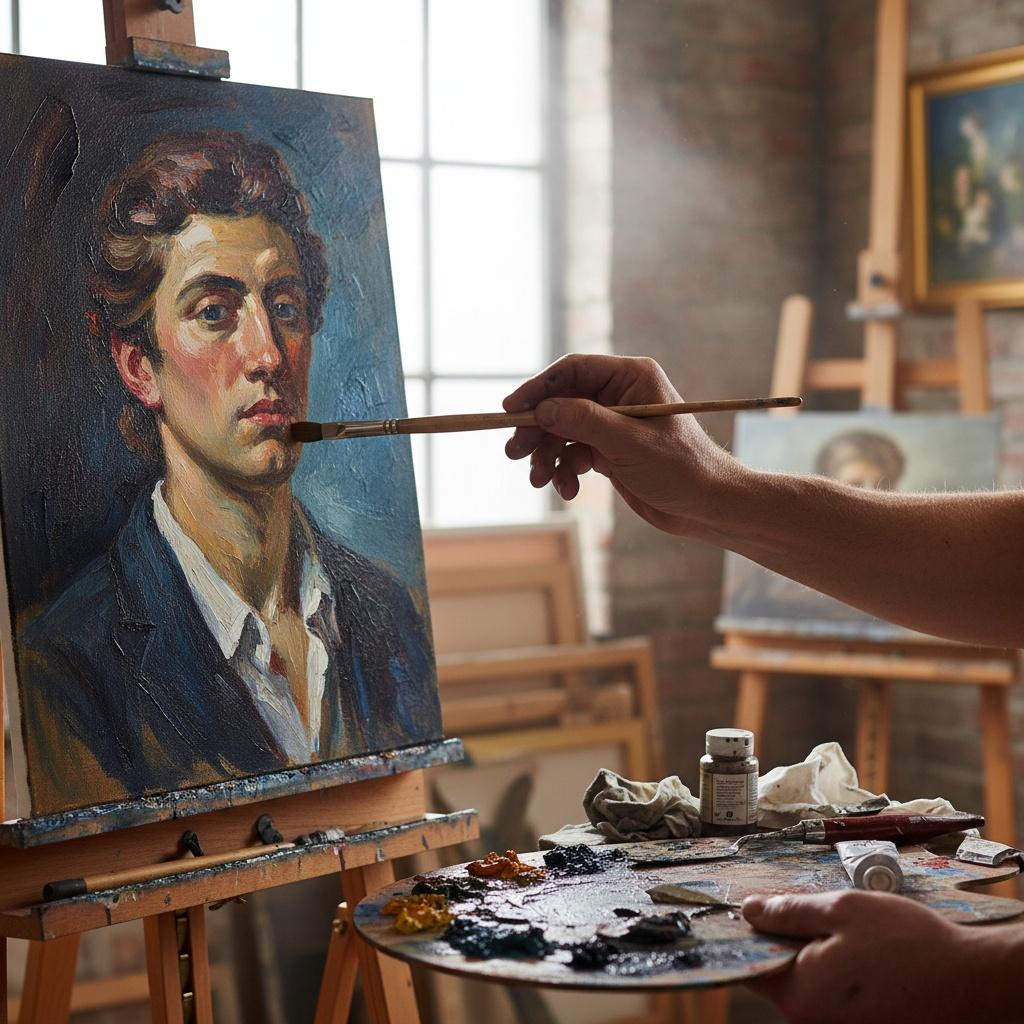
To gaze upon a masterpiece is to witness a silent dialogue between the artist’s hand and the human psyche. The brushstroke is never merely a movement of pigment; it is a rhythmic pulse, a physical manifestation of thought and feeling. In the realm of fine art, we find that the most profound works often derive their power from what might be termed gestural expression. Consider the works of the Expressionists, such as Lovis Corinth, whose Portrait of the Painter Leo Michelson serves as a poignant testament to this intensity. Here, the landscape is not a static backdrop but a blurred, emotive environment where the energy of the stroke mirrors the internal turbulence of the subject.
This fluidity of motion allows the artist to transcend mere representation. When a painter employs a gestural style, they are not simply documenting a scene; they are capturing the ephemeral essence of a moment. The weight, speed, and direction of each mark convey a sense of urgency or tranquility that a sterile, hyper-realistic line could never achieve. It is within this dance of movement that the soul of the painting resides, inviting the viewer to feel the artist's very breath upon the canvas.
The Architecture of Light: Mastering Chiaroscuro and Luminosity
If the brushstroke provides the pulse, then light provides the architecture. Throughout art history, the mastery of chiaroscuro—the dramatic interplay between light and shadow—has been the hallmark of technical brilliance. This technique does more than create the illusion of three-dimensionality; it directs the viewer’s eye, creating a stage where drama unfolds in the darkness. By sculpting forms with light, masters like Rembrandt or Caravaggio were able to pull figures out of the void, imbuing them with a divine or haunting presence.
Beyond the stark contrasts of shadow, there exists the subtle science of luminosity. The ability to capture how light penetrates a translucent layer of skin or reflects off a polished surface requires an intimate understanding of optical physics. This is not merely about brightness, but about the depth of the glow. When executed with precision, light becomes a tangible element of the composition, capable of evoking warmth, divinity, or a chilling sense of isolation. It is through this careful manipulation of luminance that a flat canvas acquires the weight of reality.
Texture and Topography: The Role of Impasto and Physicality in Oil Painting
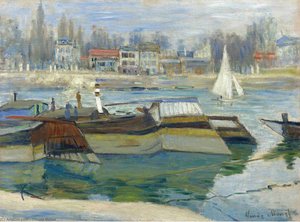
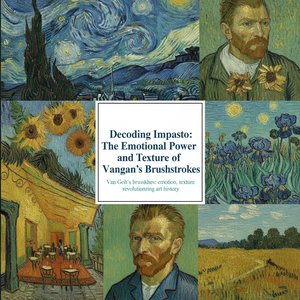
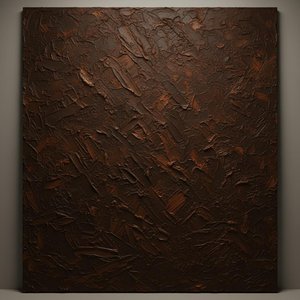
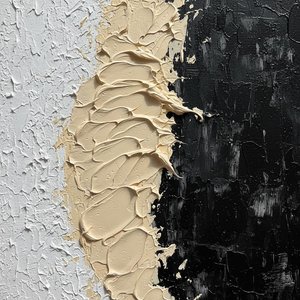
A true oil painting is a sculptural object as much as it is a visual one. One cannot discuss the execution of fine art without addressing the tactile topography created by impasto. This technique, characterized by the thick, heavy application of paint, allows the artist to build a physical landscape upon the canvas. When we observe the works of the Post-Impressionists, such as Vincent van Gogh, we see that the texture is inseparable from the meaning. In The Painter on His Century, the ridges of dried oil act as conduits for light, casting tiny, microscopic shadows that change as the viewer moves around the piece.
This physicality lends a "living" quality to the artwork. The visible, raised brushstrokes create a sense of immediacy and raw energy. It is a departure from the smooth, finished surfaces of academic neoclassicism, moving instead toward an era where the medium itself—the very substance of the paint—is celebrated. This texture invites the viewer to engage with the work through a sensory lens, feeling the ruggedness or the smoothness of the artist's touch long before they even reach out to touch the canvas.
The Alchemy of Pigment: Color Theory, Layering, and Chemical Longevity
Beneath the visible beauty of a painting lies a complex alchemy of chemistry and color theory. The creation of a lasting masterpiece requires more than just an eye for hue; it demands a rigorous understanding of how pigments interact with light and each other over centuries. The process of glazing—applying thin, transparent layers of oil paint over dried underpaintings—is perhaps the most sophisticated method of achieving depth. Each layer acts as a filter, allowing light to pass through multiple strata of color before reflecting back to the eye, creating a brilliance that cannot be replicated by modern digital means.
Furthermore, the longevity of these works depends on the meticulous selection of materials. The use of high-quality, lightfast pigments and specific oils, such as safflower for whites to prevent yellowing, ensures that the artist's original vision remains untarnished by time. This commitment to the chemistry of art is what separates a fleeting image from a permanent legacy. When an artist masters the balance between pigment, binder, and medium, they are not just painting; they are engineering a monument designed to endure for generations.
The Artist's Intent: Bridging Technical Precision with Creative Vision
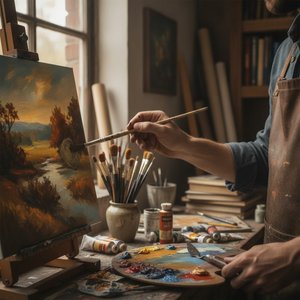
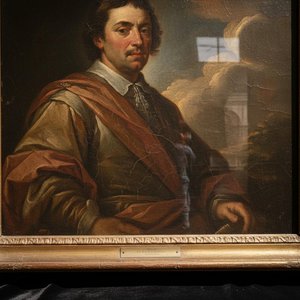
Ultimately, the pinnacle of fine art execution is found at the intersection of technical mastery and creative intent. A painter may possess the ability to render perfect anatomy or flawless light, but without a guiding vision, the work remains an empty exercise in skill. The true master uses their technical toolkit—the impasto, the chiaroscuro, the glazing—as a language to communicate complex human truths. Whether it is the intimate realism found in Reuven Rubin’s studio portraits or the sweeping emotional landscapes of the modern era, the technique always serves the story.
This synthesis of skill and spirit is what allows art to transcend its era. It is the bridge between the physical act of applying paint and the metaphysical experience of the viewer. When we encounter a work where the execution is seamless with the emotion, we are no longer looking at an object; we are experiencing a profound moment of human connection. This is the ultimate goal of the brush: to transform mere matter into meaning.
For those seeking to bring this level of historical grandeur into their own collections, ArtsDot.com offers unparalleled access to the world of fine art. From meticulously handcrafted oil reproductions that capture every tactile brushstroke to custom commissions that reimagine your personal memories through the lens of the Old Masters, we specialize in preserving the soul of painting for the modern connoisseur.