The Primordial Spark: The Ancient Roots of Cupid in Greek and Roman Iconography
 Echoes of Olympus: Mythological Narratives in Western Art Through the Ages
The Ancient Roots: Mythology's Genesis in Greek & Roman Art The very foundations of Western artistic expression are inextricably linked to the myths of ancient Greece and Rome. Before history as we know it was meticulously recorded, stories—passed do...
The foundations of Western artistic expression are inextricably linked to the myths of ancient Greece and Rome, where stories served as much more than mere fables; they were a worldview embodied in form. Long before history was meticulously recorded, the concept of
Eros—the primordial Greek god of desire and attraction—provided a divine lexicon for the human condition. In the earliest iterations of classical art, from intricate pottery to monumental sculpture, Eros was often depicted as a slender, winged youth, a figure of both immense power and subtle mischief. As these narratives migrated to Rome, he evolved into
Cupid, the son of Venus and Mars, embodying a more structured personification of passionate desire. These ancient depictions established an enduring iconography: the bow, the arrow, and the wings, symbols that would allow artists across millennia to render the intangible essence of attraction into something visceral and visible.
Divine Narratives: The Neoclassical Elegance of Cupid and Psyche
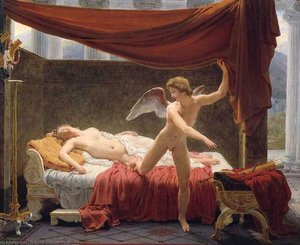 Cupid and Psyche
The painting Cupid and Psyche by François Edouard Picot is a beautiful representation of the mythological story of Cupid and Psyche. Created in 1817, this oil on canvas piece measures 40 x 48 cm and is a stunning example of neoclassical art. The Stor...
As the tides of art history shifted toward the structured grace of Neoclassicism, the myth of Cupid and Psyche became a preferred subject for masters seeking to balance emotion with ideal beauty. This particular tale, centered on the union of the god of love and the mortal soul, offered a profound allegory for the human spirit's journey through adversity. In François Edouard Picot’s 1817 masterpiece, we observe the quintessential Neoclassical approach: a scene imbued with intimacy, where warm colors and meticulous attention to luxurious drapery create a sense of romantic sanctuary. Similarly, Pelagio Palagi’s
The Nuptials of Cupid and Psyche presents a symphony of classical ideals, blending earthly elegance with celestial splendor. These works do not merely illustrate a legend; they utilize the precision of light and the smoothness of form to elevate a mythological romance into a timeless study of devotion and grace.
Chiaroscuro of the Heart: The Baroque Drama of Love and Desire
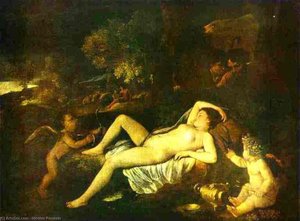
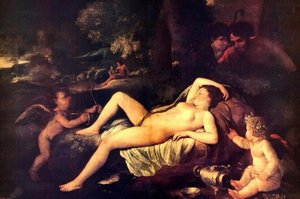
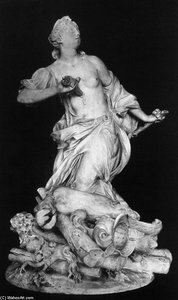 claude augustin cayot
Claude Augustin Cayot: A Visionary of Myth and Emotion Claude Augustin Cayot (1677-1722) remains a figure shrouded in artistic mystery, yet his dramatic depictions of mythological narratives—particularly ‘Cupid & Psyche’ and ‘The Death of Dido’—conti...
The transition into the Baroque era brought a dramatic intensification of these themes, as artists moved away from Neoclassical restraint toward a more theatrical and psychological exploration of passion. This period mastered the use of
chiaroscuro—the dramatic interplay between light and shadow—to heighten the emotional stakes of mythological scenes. The works of Claude Augustin Cayot exemplify this mastery; his depictions of Cupid and Psyche are characterized by an unwavering commitment to capturing psychological depth through heavy shadows and luminous highlights. This era also saw the exploration of more complex, often tension-filled narratives, such as William Etty’s
Mars, Venus and Cupid. Here, the juxtaposition of the god of war in his armor against the soft, naked form of Venus creates a palpable atmosphere of longing and departure, proving that the language of the gods is most powerful when it reflects the complexities of human vulnerability.
Romantic Visions: Pre-Raphaelite Enchantment and the Dreamlike Myth
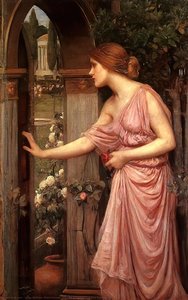
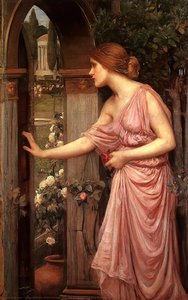 Psyche entering Cupid's Garden
In the realm of art, few paintings have captured the essence of mythology and romance as beautifully as John William Waterhouse 's "Psyche entering Cupid's garden." This enchanting oil on canvas piece, created in 1903, is a testament to Waterhouse's ...
By the late 19th and early 20th centuries, the depiction of Cupid underwent a profound transformation through the lenses of Romanticism and the Pre-Raphaelite movement. Artists like John William Waterhouse sought to return to a sense of detailed realism and rich, evocative color, as seen in his enchanting
Psyche entering Cupid's garden. In this work, the atmosphere is one of serene enchantment, where every petal and flowing garment contributes to a dreamy, mythological world. This era also embraced a more subjective, even experimental, approach to the myth. While artists like Carlo Voss-Schönau infused their works with a romantic sensibility rooted in meticulous observation, others, such as Edvard Munch, pushed the boundaries of the subject into the realm of Expressionism. In Munch’s hands, the classical figures are reimaged through intense subjectivity and vivid imagery, reminding us that the essence of Cupid—the spark of desire—remains a potent force for psychological exploration even in the modern age.
The Eternal Muse: Integrating Mythological Masterpieces into Luxury Interiors
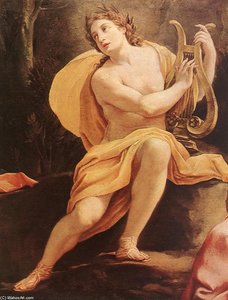 Parnassus or Apollo and the Muses (detail)
Simon Vouet's "Parnassus or Apollo and the Muses" depicts Apollo playing his lyre alongside nine goddesses representing poetic inspiration, showcasing Baroque artistry and reflecting classical ideals of beauty in a richly detailed panel painting.
For the discerning collector and the sophisticated interior designer, mythological art serves as an eternal anchor within a curated space. A well-placed reproduction of a classical masterpiece can transform a room, providing a sense of heritage, depth, and intellectual weight. Whether it is a large-format mural that recreates the grandeur of a Renaissance ceiling or a bespoke oil painting that brings a personal touch to a contemporary study, these works bridge the gap between history and modern luxury. At
ArtsDot.com, we specialize in preserving this legacy through our premium services, allowing you to "remix" art history by commissioning custom pieces that reflect your unique aesthetic.
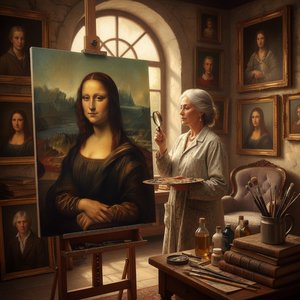
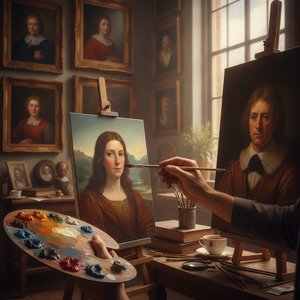
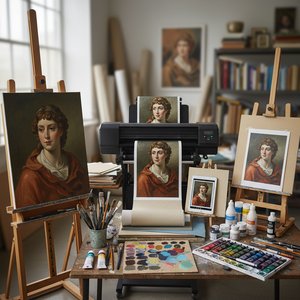
Our artisans utilize a meticulous six-step process to ensure every commission meets museum-grade standards:
- Initial Consultation & Mockup: We provide digital mockups for complex orders, allowing you to adjust colors or compositions before the brush ever touches canvas.
- Masterful Execution: Each piece is 100% hand-painted on fine cotton canvas by artists holding degrees from prestigious academies.
- Quality Assurance: A pre-shipment photo is sent for your personal approval, ensuring the final work aligns perfectly with your vision.
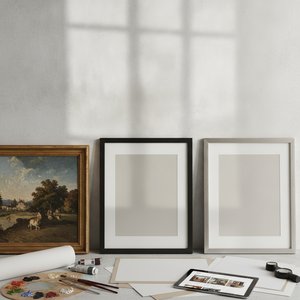
- Bespoke Framing: We offer custom framing in solid wood, including gold leaf and espresso finishes, or modern options like our MirrorWrap for a frameless look.
- Global Logistics: Your investment is protected by reinforced packaging and delivered worldwide via DHL or FedEx with full tracking.
Beyond reproductions, we offer the ability to transform personal milestones into masterpieces through our "Buy from Photo" service, turning wedding portraits or family legacies into timeless oil paintings. Whether you are seeking a grand architectural fresco for a hotel or a delicate print for a private gallery, ArtsDot.com provides the expertise and craftsmanship required to bring the eternal allure of the masters into your home.