The New Industrialism: Beyond Concrete and Steel
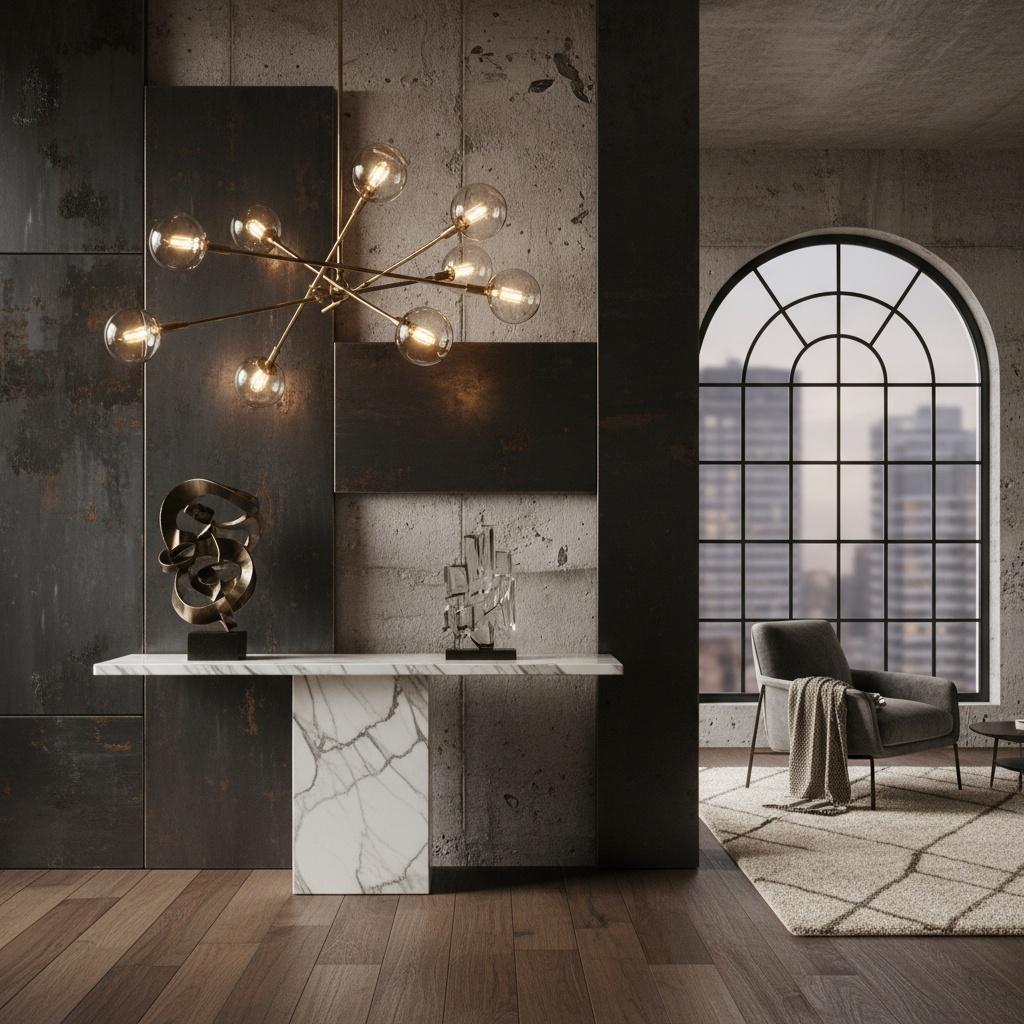
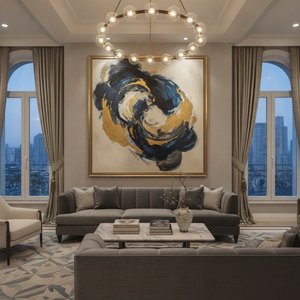
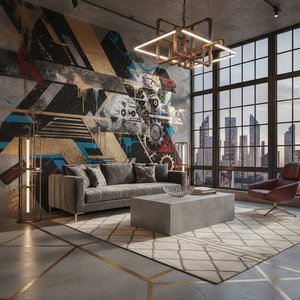
The architectural landscape of the modern era has undergone a profound metamorphosis, moving away from the purely utilitarian origins of industrial design toward something far more nuanced and evocative. For the contemporary decorator, the challenge no longer lies in merely celebrating the grit of exposed brick or the coldness of polished concrete, but in orchestrating a sophisticated dialogue between these raw, structural elements and the refined elegance of fine art. This evolution, often whispered about in design circles as Industrial Luxe, represents a departure from the starkness of the past. It is an era where the weight of steel and the permanence of stone are not just backgrounds, but active participants in a curated aesthetic experience. The goal is to find a balance where the ruggedness of the environment does not overwhelm the space, but rather provides a powerful, grounded foundation for artistic expression to flourish.
Textural Dialogue: Bridging Hard Surfaces with Painterly Depth
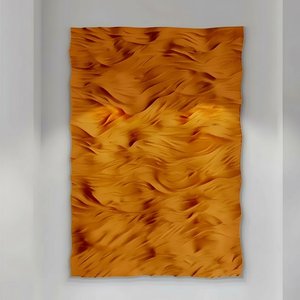
To master this aesthetic, one must understand the visceral power of texture. When a decorator encounters the smooth, unforgiving surface of a steel beam or the matte finish of a cement wall, the introduction of art serves as a vital sensory counterpoint. There is an undeniable magic in the interplay between the flat, architectural plane and the three-dimensional topography of an impasto oil painting. The heavy, tactile brushstrokes of a masterfully executed reproduction create a sense of movement and warmth that softens the industrial edge. By selecting works characterized by visible, thick layers of pigment, you introduce a "living" quality to the room—a rhythmic vibration that breaks the visual monotony of hard surfaces. This tension between the smooth and the textured, the cold and the warm, is precisely what breathes life into a modern loft or an urban gallery space, transforming a structural shell into a soulful sanctuary.
Geometric Precision: Integrating Structural Design and Fine Art
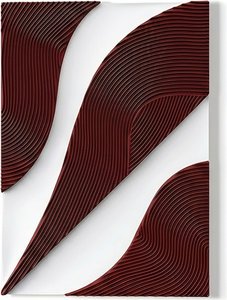
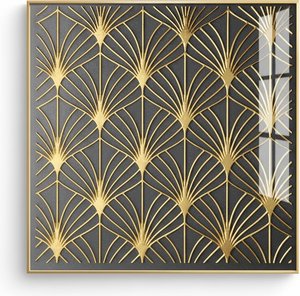
The industrial aesthetic is inherently rooted in geometry, drawing inspiration from the functionalist precision of designers like Konstantine Grcic and the fluid, structural innovations of Ron Arad. As a decorator, you can amplify this sense of architectural integrity by selecting artworks that echo these geometric motifs. Whether it is the sharp, unexpected angles found in Cubist compositions or the rhythmic, repetitive patterns of modern abstraction, art serves as an extension of the room's structural DNA. When the lines of a painting align with the verticality of a window frame or the horizontal sweep of a concrete ledge, the result is a cohesive, intentional environment. This integration of fine art and industrial form creates a sense of mathematical harmony, where every element feels purposefully placed within a larger, unified design narrative.
Scale and Impact: Utilizing Multi-Panel Works for Architectural Grandeur
In spaces defined by expansive volumes and soaring ceilings, single-point focal pieces often struggle to command the necessary presence. This is where the strategic use of scale becomes an essential tool in your professional repertoire. The trend toward multi-panel compositions—triptychs, quadriptychs, and even larger five-panel arrays—allows a decorator to physically expand the boundaries of an artwork across a vast wall. These split compositions do more than just fill space; they guide the eye through the architectural landscape, creating a sense of cinematic flow. By breaking a singular image into multiple canvases, you mirror the fragmented, modular nature of industrial architecture itself. This approach allows for a grander scale that respects the proportions of large-scale lofts and commercial interiors, ensuring that the art does not merely hang on the wall but becomes an integral part of the building's very anatomy.
Trend Forecast: Curating the 'Industrial Luxe' Aesthetic
As we look toward the upcoming seasons, the trajectory of interior design points toward an even deeper integration of history and modernity. The most successful spaces will be those that can "remix" the past, using contemporary tools to evoke classical grandeur within a modern framework. We anticipate a rise in the use of custom-commissioned works that bridge the gap between eras—for instance, applying the light-drenched techniques of Impressionism to subjects that resonate with urban life. For professionals seeking to execute this vision, ArtsDot.com offers an unparalleled resource for high-end art solutions. From bespoke Handmade Oil Reproductions that capture every tactile nuance of a masterpiece to museum-grade Giclée prints and large-format murals, the platform provides the technical excellence required to elevate any industrial project. Whether you are looking to transform a personal photograph into a period-shifted masterpiece or require custom sizing for a complex architectural installation, the ability to curate with precision ensures that your designs will always stand at the intersection of raw power and refined beauty.