The Ancestral Canvas: Defining Folk Art through Cultural Identity
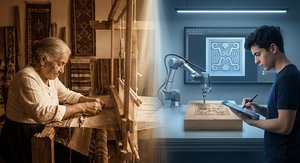
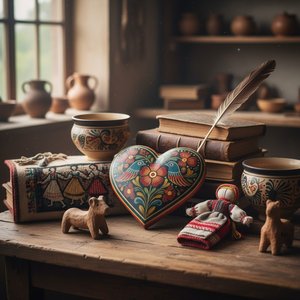
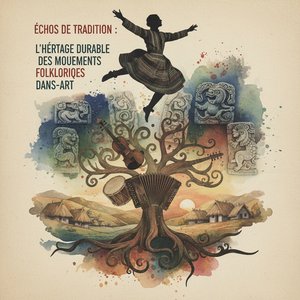
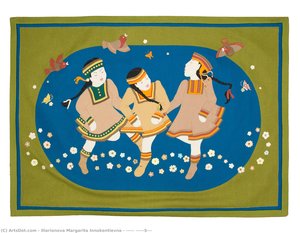
To approach folk art is to step into a living archive, where the boundaries between daily existence and aesthetic expression dissolve into a singular, breathing entity. Unlike the high-art movements of the Renaissance or the Baroque, which often sought to immortalize the triumphs of the elite, folk art emerges from the collective heartbeat of a community. It is an art born not of academic isolation, but of necessity, ritual, and the profound desire to document the human experience within a specific landscape. This medium serves as a vessel for cultural identity, capturing the essence of a people through the materials provided by their earth and the stories passed down through generations. When we examine the textures of tradition, we find that folk art is fundamentally an expression of belonging. It is found in the intricate embroidery of the Shewa Oromo traditional outfits in Ethiopia, where every stitch serves as a testament to heritage and social lineage. It resides in the vibrant, rhythmic energy of Panamanian dance, specifically within the flowing layers of the la pollera, which transforms movement into a visual celebration of national pride. To collect folk art is not merely to acquire an object; it, rather, is to engage in a dialogue with the ancestors, acknowledging a lineage of craftsmanship that predates the modern gallery system and remains anchored in the soil of its origin.The Visual Language of Heritage: Patterns, Motifs, and Symbolism
Every line drawn and every pigment applied in folk art carries a weight far beyond mere decoration; it is a coded language of symbols and motifs. In the realm of ethnographic art, patterns are rarely arbitrary. They are often topographical or spiritual maps, translating the flora, fauna, and cosmic beliefs of a culture into repeatable, rhythmic geometries. For the discerning collector, learning to read these visual dialects is essential. A specific floral motif might signify fertility and the renewal of spring, while a jagged, geometric line could represent the rugged mountain ranges that define a tribe's territory. Consider the profound impact of stylized imagery, such as the works inspired by Ukrainian traditions, where artists like Maria Primachenko have utilized vibrant, folk-inspired aesthetics to celebrate cultural icons like Taras Shevchenko. Here, the use of color and form is not intended for photographic realism but for emotional and symbolic resonance. The brilliance of the palette serves to elevate the subject, turning a historical figure into a mythic presence. In this way, the motifs of folk art act as a bridge between the tangible world and the metaphysical realm, allowing the collector to perceive the deeper spiritual architecture that supports a culture's worldview.From Ritual to Gallery: The Evolution of Folk Art in Modern Collecting
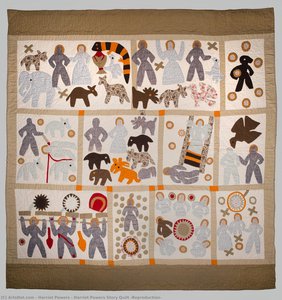
The journey of folk art from the domestic and ritualistic sphere to the curated walls of the modern connoisseur is a fascinating evolution of value. Historically, many of these pieces—be they textiles, ceramics, or woodcarvings—were functional objects used in ceremonies, weddings, or daily sustenance. They were "art" only in the sense that they were imbued with meaning by their creators and users. However, as the global art market has expanded, there has indeed been a shift toward recognizing these works for their formal aesthetic merits and their historical significance as ethnographic documents. This transition does not strip the work of its soul; rather, it provides a platform for its preservation. The modern collector plays a pivotal role in this evolution, moving folk art from the periphery of "craft" into the center of serious art historical discourse. As these pieces move into galleries and private collections, they undergo a transformation in status, yet they retain their original power to evoke the atmosphere of their birthplaces. The challenge for the contemporary collector lies in appreciating this duality: honoring the object's original ritualistic purpose while celebrating its newfound standing as a masterpiece of human creativity.Curating the Unseen: Strategies for Identifying Authentic Traditions
For the serious enthusiast, the pursuit of folk art requires a keen eye and a disciplined approach to authenticity. Because folk art is often passed down through oral tradition and localized apprenticeship, identifying the "true" hand of a specific region or lineage can be complex. One must look beyond the surface level of decoration to find the technical hallmarks of a tradition—the specific way a pigment is ground, the unique tension in a weave, or the particular way a woodcarver handles a blade. Authenticity in folk art is found in the consistency of its cultural logic. A successful strategy for curation involves deep research into the provenance and the material culture of the region in question. It requires an understanding of how geography influences medium; for instance, the availability of certain minerals for dyes or specific woods for sculpture dictates the aesthetic boundaries of a tradition. Collectors should seek works that demonstrate a mastery of these local constraints. By focusing on pieces that exhibit a high degree of technical skill within their traditional framework, one can build a collection that is not only aesthetically cohesive but also historically rigorous and intellectually profound.Preserving the Pulse of Humanity: The Collector's Role in Cultural Stewardship
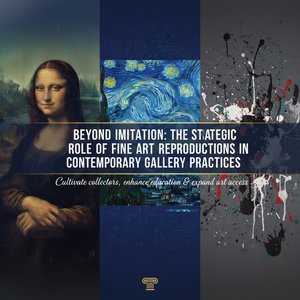
Ultimately, the act of collecting folk art is an act of stewardship. In an era of rapid globalization, where many local traditions are at risk of being diluted or lost, the collector serves as a guardian of human diversity. By investing in and showcasing these works, we ensure that the visual languages of marginalized or remote cultures continue to be heard and seen by the wider world. This responsibility carries with it a profound ethical dimension: the need to respect the origins of the art and to support the continued vitality of the communities from which these treasures emerge. To collect is to participate in the preservation of the human spirit. Each piece added to a collection is a victory against the erasure of history. Whether through the acquisition of a hand-painted reproduction that honors a lost technique or the procurement of an original ethnographic treasure, the collector helps maintain the pulse of humanity. Through careful curation and a deep respect for the ancestral canvas, we ensure that the vibrant, colorful, and deeply meaningful stories of our global heritage remain etched in the collective memory of civilization for generations to come.Discover the intersection of history and artistry with ArtsDot.com. From exquisite hand-painted reproductions of cultural masterpieces to bespoke commissions that breathe new life into personal memories, we provide a gateway to the world's most profound artistic legacies. Explore our curated collections and professional services to find the piece that speaks to your soul.