A Pioneer of Chilean Neo-Expressionism: The Artistic Journey of Carlos Eduardo Maturana Piña (Bororo)
Carlos Eduardo Maturana Piña, universally recognized as Bororo, stands as a pivotal figure in Chile’s artistic landscape of the 1980s. Born in Santiago on November 10, 1953, his early life was marked by an innate fascination with art and creativity—a passion that would blossom into a distinctive visual language characterized by bold colors, expressive brushstrokes, and profound symbolic representations. His artistic pseudonym, Bororo, reflects not only his personal identity but also the spirit of rebellion and introspection inherent in his oeuvre.
- Early Influences & Artistic Formation: Maturana Piña’s formative years coincided with Chile's turbulent political climate—a period profoundly impacting Chilean art. He absorbed influences from artists like Anselm Kiefer and Georg Baselitz, embracing the tenets of neo-expressionism – a movement that prioritized emotional intensity over rational representation.
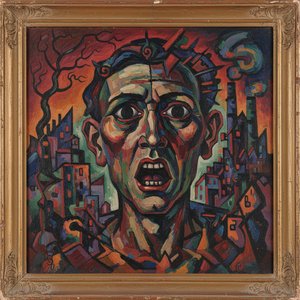
- The Emergence of Bororo’s Style: Bororo quickly established himself as a singular voice within Chilean art. His distinctive style—characterized by vibrant hues juxtaposed against stark contrasts—immediately captivated critics and collectors alike. He eschewed meticulous detail, favoring instead evocative gestures that conveyed raw emotion and psychological depth.
Notable Works & Artistic Vision
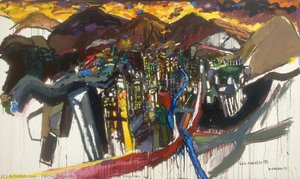
Bororo’s artistic output is distinguished by a preoccupation with themes of memory, loss, and the human condition. His magnum opus, “Los Ángeles,” currently residing in the collection of the Inter-American Development Bank, exemplifies his masterful ability to distill complex ideas into visually arresting compositions. The painting captures the essence of urban life—a cityscape rendered in luminous shades of orange and crimson—yet simultaneously imbued with a palpable sense of melancholy. It’s considered a cornerstone of Chilean neo-expressionism.
- Paisaje de Cordillera: Equally impressive is “Paisaje de Cordillera,” housed at Museo Nacional de Bellas Artes in Santiago. This monumental canvas portrays the majestic Andes Mountains with breathtaking realism—a testament to Bororo’s technical prowess and his unwavering commitment to capturing the sublime beauty of nature.
- Beyond Chilean Boundaries: Bororo's artistic reputation extends beyond Chile’s borders, finding recognition within prestigious institutions such as The Butler Institute of American Art in Pittsburgh. His paintings are celebrated for their emotive power and intellectual rigor—qualities that solidify his place among Chile’s most influential artists.
Recognition & Legacy
Carlos Eduardo Maturana Piña's contribution to Chilean art has been acknowledged by numerous accolades and exhibitions. His work continues to inspire artists and scholars alike, fostering ongoing dialogue about the role of emotion in artistic expression. Bororo’s legacy resides not merely in his individual paintings but also in his unwavering dedication to pushing the boundaries of artistic convention—a spirit that embodies the ethos of Chilean art during its formative years.
Conclusion
Bororo remains a beacon of Chilean neo-expressionism, demonstrating how profound emotion and symbolic imagery can coalesce into unforgettable visual experiences. His enduring influence underscores the importance of artistic exploration and the transformative power of confronting existential questions—a legacy destined to resonate throughout the annals of Chilean art history.