Jan van Steffeswert: A Pioneer of Gothic Sculpture in Maastricht
Jan van Steffeswert (c. 1460 – c. 1531) stands as a singular figure in the artistic landscape of early Netherlandish sculpture, primarily recognized for his remarkable ability to sign his works—a practice unprecedented for its time—and for producing exquisitely detailed depictions of saints and biblical figures that continue to captivate audiences today. Born in Maastricht, Netherlands, during the turbulent period of Burgundian rule, van Steffeswert’s artistic journey unfolded against a backdrop of religious fervor and burgeoning humanist ideals. Despite limited surviving documentation about his personal life, his prolific output speaks volumes about his dedication to craftsmanship and his profound understanding of Gothic artistic conventions.
- Early Life & Training: Precise biographical details remain elusive, but scholars believe van Steffeswert received training in Leuven (Louvain), Belgium—a center for scholastic art—likely influenced by the stylistic trends prevalent during that era.
- Signature Practice: What distinguishes van Steffeswert from his contemporaries is his unwavering commitment to authorship. He signed at least fourteen sculptures, utilizing variations of “Jan Bieldesnider,” “Jan van Weerd,” and “Jan van Steffeswert,” marking him as one of the earliest sculptors in Northern Europe to assert artistic identity—a bold step that challenged established norms.
Notable Works & Artistic Style
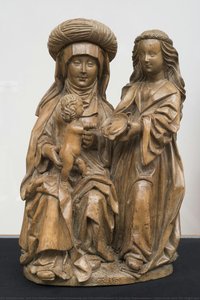
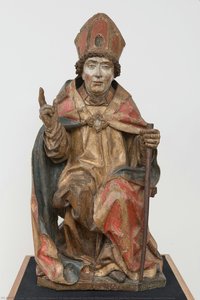
Van Steffeswert’s oeuvre comprises a collection of sculptures primarily focused on religious subjects, reflecting the dominant spiritual preoccupations of his time. Among his most celebrated creations are “Saint Anne with the Virgin and Child,” housed in the Bonnefanten Museum, Maastricht, and “Seated Bishop,” currently residing at Sint Janskathedraal Maastricht. These pieces exemplify van Steffeswert’s mastery of Gothic sculptural technique—characterized by monumental scale, stylized drapery, and meticulous attention to detail. The polychromy employed in these sculptures—particularly Saint Anne—demonstrates a sophisticated understanding of color theory and enhances the expressive power of the artwork.
- Saint Anne with the Virgin and Child: This sculpture showcases an exceptional level of realism, capturing the tenderness and serenity associated with motherhood. The drapery is rendered with remarkable precision, conveying movement and texture—a hallmark of Gothic artistry.
- Seated Bishop: The bishop’s posture exudes dignity and solemnity, reflecting his role as a spiritual leader. Van Steffeswert skillfully portrays the folds of his robe and vestments, demonstrating an impressive command of sculptural form.
Influence & Legacy
Jan van Steffeswert's pioneering signature practice profoundly impacted the artistic discourse of his era, establishing a precedent for acknowledging authorship in sculpture—a tradition that endured throughout subsequent centuries. His sculptures stand as enduring monuments to Gothic craftsmanship and serve as invaluable sources of insight into the religious beliefs and aesthetic sensibilities of fifteenth-century Maastricht. Furthermore, van Steffeswert’s meticulous attention to detail and expressive portrayal of human figures continue to inspire artists today, cementing his place as a pivotal figure in Netherlandish art history.
Historical Significance
Van Steffeswert's contribution transcends mere artistic accomplishment; he embodies the spirit of intellectual curiosity and creative innovation that characterized the Renaissance’s nascent stages. By asserting his identity as an artist—a rare occurrence for his time—he championed a humanist ethos that prioritized individual expression and challenged traditional hierarchies. His sculptures remain treasured artifacts, offering tangible evidence of Maastricht's cultural vibrancy during a transformative period in European history.