A Visionary Lens on Indonesian Spice Culture
The artistic journey of Josh Catti Rahadi is deeply rooted in the fertile landscapes of Indonesia, where he has meticulously honed a photographic language that transcends simple documentation. As a prominent contributor to the Negeri Rempah Foundation, Rahadi does not merely capture images; he weaves a visual narrative intended to illuminate the diverse and often overlooked tapestry of Indonesian heritage. His work serves as a vital bridge between cultural memory and modern visual storytelling, acting as a beacon for educational outreach and cultural exchange. Through his lens, the ephemeral beauty of tradition is rendered permanent, inviting viewers to participate in a sensory exploration of a nation's soul.
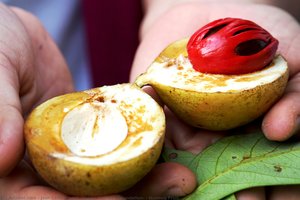
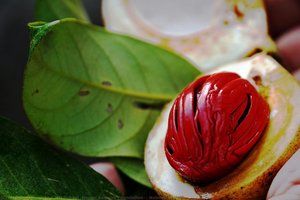
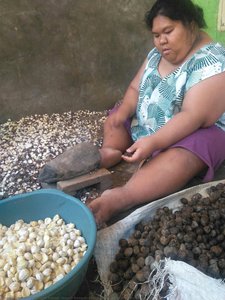
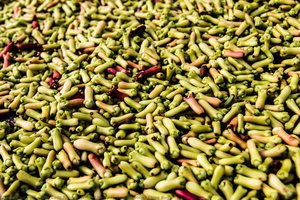
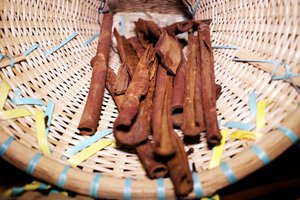
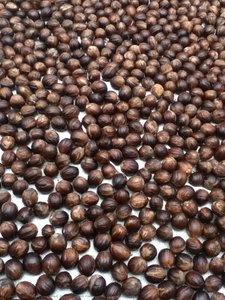
The essence of Rahadi’s practice lies in his profound collaboration with the Negeri Rempah Foundation, an endeavor that has become the cornerstone of his artistic identity. Driven by a mission to disseminate knowledge regarding Indonesian gastronomy and ancestral traditions, he has dedicated much of his career to documenting the life cycles of the archipelago's most precious commodities. His photographs of nutmeg trees, cloves, and cinnamon are far more than botanical studies; they are imbued with a textural realism that allows the viewer to almost sense the aromatic warmth of the spices. By focusing on the intricate details of the fruit and bark, Rahadi elevates the mundane elements of agriculture into subjects of high art, utilizing masterful brown tones and organic palettes to capture the very essence of the Indonesian landscape.
Technique and the Art of Observation
Rahadi’s photographic style is defined by an unwavering commitment to emotional resonance and meticulous attention to detail. He employs a technique that prioritizes the subtle nuances of light and color, creating images that possess a haunting authenticity. His compositions often explore the intersection of rural life and cultural identity, finding profound beauty within everyday scenes that might otherwise go unnoticed. There is a deliberate stillness in his work—a quality that invites contemplation and fosters a deeper understanding of the multifaceted Indonesian culture. Whether he is capturing the vibrant red of a ripe nutmeg or the weathered bark of an ancient clove tree, his ability to manipulate light ensures that each subject vibrates with life.
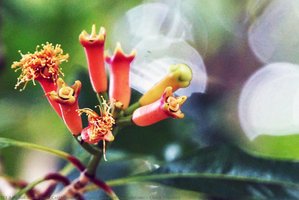
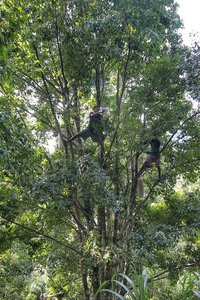
The technical mastery evident in his portfolio is particularly striking when examining his documentation of historical natural wonders. His work on the Afo Clove Trees, for instance, captures the majesty of living monuments that have stood for centuries. Through his lens, the viewer experiences the weight of history and the fragility of nature simultaneously. This ability to blend scientific observation with poetic expression is what distinguishes Rahadi as a true visual historian, turning the act of photography into a profound method of preservation.
Legacy and Global Recognition
The impact of Rahadi’s dedication to Indonesian culture has resonated far beyond the borders of Southeast Asia. His involvement with prestigious platforms such as Google Arts & Culture has brought the rich flavors and traditions of the Negeri Rempah Foundation to a global audience. By showcasing captivating visuals of nutmeg, cloves, and local cuisine alongside the stories of the people who cultivate them, he has successfully integrated Indonesian spice heritage into the global art discourse.
His achievements can be summarized through his significant contributions to cultural documentation:
- Cultural Preservation: Creating a permanent visual archive of Indonesia's spice-producing regions and traditional agricultural practices.
- Global Advocacy: Utilizing international digital platforms to foster appreciation for Indonesian biodiversity and culinary history.
- Educational Impact: Partnering with foundations to transform photography into a tool for gastronomic and historical education.
Ultimately, the work of Josh Catti Rahadi stands as a testament to the power of the image to preserve identity. His legacy is not found merely in the beauty of his photographs, but in the way they inspire a renewed reverence for the natural world and the cultural legacies that spring from it.