Rhode Island Anti-Slavery Society: A Canvas for Abolitionist Ideals
The Rhode Island Anti-Slavery Society stands as a poignant testament to the fervent spirit of reform that gripped America during its formative years—specifically between 1833 and the mid-1850s. More than just an organization, it represented a collective commitment to challenging the entrenched institution of slavery and advocating for the fundamental rights of African Americans, achievements which are reflected in their artistic endeavors. Examining these works offers invaluable insight into the moral landscape of the era and illuminates the creative responses to pressing social concerns. Founded in Providence, Rhode Island, in 1833, the Society quickly gained momentum thanks to the tireless efforts of prominent abolitionists like William Lloyd Garrison and Frederick Douglass. Its mission was unambiguous: to dismantle slavery through legal reform, moral persuasion, and active resistance.
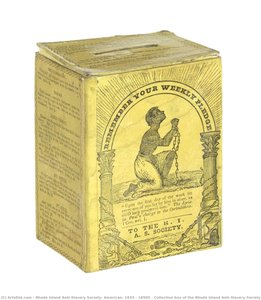
Recognizing that visual communication could powerfully convey their beliefs, members embarked on a project that transcended mere fundraising—they commissioned artistic creations designed to galvanize public opinion and solidify the Society’s commitment to its cause. Perhaps the most enduring symbol of the Rhode Island Anti-Slavery Society's artistic output is their ingenious cardboard coin collection box. Produced in two pieces—a top with a slot for donations and a base—this unassuming object served as more than just a receptacle for funds; it functioned as a visual declaration of intent. The centerpiece was a tableau depicting an enslaved figure kneeling before implements of bondage, skillfully rendered by the artist Robert Julian Onderdonk. This image powerfully conveyed the dehumanizing realities of slavery and underscored the Society’s determination to confront injustice head-on.
The Symbiosis of Art and Activism
The artistry produced under the auspices of the Society was never purely decorative; it was deeply embedded in the struggle for human dignity. The visual language used by the Society sought to bridge the gap between the abstract concept of injustice and the visceral reality of suffering. By utilizing accessible mediums like cardboard and print, they ensured that their message could permeate various levels of society, reaching beyond elite galleries into the hands of everyday citizens. This period of creative output is characterized by a profound sense of moral urgency, where every brushstroke and printed line served as an instrument of protest.
The historical significance of these works lies in their ability to act as both a mirror to the era's cruelty and a window into its hope. The Society’s artistic legacy includes:
- Visual Advocacy: Using imagery to humanize those affected by slavery and provoke empathy in the viewer.
- Material Innovation: Utilizing everyday objects, such as collection boxes, to turn fundraising tools into powerful propaganda for freedom.
- Collaborative Spirit: Bringing together prominent artists and political activists to create a unified front against oppression.
As we look back upon the contributions of the Rhode Island Anti-Slavery Society, we see more than just historical artifacts; we encounter a vibrant, breathing movement that used the power of the image to demand a more just world. Their work remains a vital chapter in American history, reminding us that art has always been a potent force in the pursuit of social transformation.