A Legacy Forged in Fire: Ryumonji-yaki Kigyo Kumiai and the Enduring Art of Black Satsuma Ware
Ryumonji-yaki Kigyo Kumiai stands as a testament to Japan’s artistic heritage, representing more than just ceramic production; it embodies centuries of tradition meticulously passed down through generations. Founded in Kagoshima over four hundred years ago, this cooperative has steadfastly upheld techniques honed by artisans who have shaped the very landscape of Japanese ceramics—specifically, the creation of black satsuma ware.
- Origins and Tradition: The cooperative’s roots trace back to Edo-period Kagoshima, where skilled craftsmen initially experimented with incorporating reddish brown clay into their kiln fires. This innovative approach yielded a remarkable transformation – after reaching extreme temperatures, the glaze fused into an impenetrable jet black hue, marking a pivotal moment in satsuma ware history.
- The Art of Black Satsuma: Unlike many other porcelain styles, black satsuma ware distinguishes itself through its deliberate simplicity. The artisans prioritize functionality alongside aesthetic beauty, producing vessels that seamlessly integrate into daily life—from tea cups to decorative pieces.
Technique and Craftsmanship: Mastering the Climbing Kiln
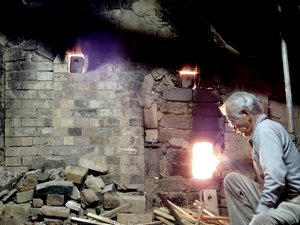
The cooperative’s distinctive firing method – often referred to as “climbing kiln” – is itself a marvel of engineering and artistry. These kilns ascend gradually, allowing for precise temperature control crucial for achieving the desired black glaze effect. The process demands unwavering attention to detail, requiring artisans to monitor every nuance of heat and airflow. This dedication ensures consistent quality across each piece produced.
- Raw Materials: Ryumonji-yaki’s commitment to preserving tradition extends beyond technique; it begins with sourcing raw materials locally – primarily reddish brown clay from Kagoshima’s volcanic soils. These materials contribute significantly to the glaze's transformative process.
- Glaze Formulation: The black glaze itself is created using a complex mixture of oxides, meticulously blended and applied to the ceramic surface. Achieving this uniform black coloration requires considerable skill and experience.
Evolution and Influence: From Edo Period to Modern Appreciation
While rooted in centuries past, Ryumonji-yaki Kigyo Kumiai continues to thrive today, adapting its methods while honoring its foundational principles. The cooperative’s enduring popularity speaks volumes about the timeless appeal of black satsuma ware—a style that has captivated collectors and artists alike across generations.
- Contemporary Relevance: Today's artisans utilize modern tools and technologies alongside traditional techniques, ensuring that Ryumonji-yaki’s legacy persists. However, the core ethos of simplicity, functionality, and masterful craftsmanship remains unchanged.
Historical Significance: A Symbol of Kagoshima’s Artistic Identity
Ryumonji-yaki Kigyo Kumiai isn't merely a ceramic cooperative; it represents Kagoshima’s artistic identity. Its contribution to Japanese ceramics history is undeniable, solidifying its place as one of the oldest kiln sites in Japan and a beacon for preserving artisanal traditions. The black satsuma ware produced by this cooperative continues to inspire artists and resonate with audiences worldwide.