

About Barts Pathology Museum
Explore the fascinating and often unsettling world of medical history at Barts Pathology Museum, a hidden gem located in London. As part of Queen Mary University of London’s School of Medicine and Dentistry, this museum offers a unique glimpse into the evolution of medical understanding through its extensive collection.
Specializations & Collections
- Pathology: The core of the museum's holdings lies in pathological specimens, showcasing diseases and their effects on the human body.
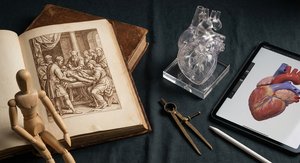
- Anatomy: Discover a diverse range of anatomical curiosities, providing insights into the structure and function of the human form.
- Surgical History: Examine historical surgical tools and specimens that illustrate advancements in medical techniques over time.
- Collection Highlights: The museum boasts a collection exceeding 5,000 items. A particularly notable piece is the skull of John Bellingham, the man who assassinated Spencer Perceval, the only British Prime Minister to be killed while in office.
History & Origins
The museum’s roots are deeply intertwined with the history of St Bartholomew's Hospital (Barts), one of London’s oldest hospitals. The collection grew organically over centuries, initially serving as a teaching resource for medical students. It reflects the evolution of medical education and practice from the 18th century to the present day.
What Makes It Unique?
- Rare Specimens: The museum houses an exceptional collection of rare and unusual pathological specimens, offering a unique learning experience.
- Historical Context: Beyond the scientific value, the collection provides valuable insights into the social and cultural context of medicine throughout history.
- Limited Access: Public access is currently limited, making a visit to Barts Pathology Museum a special and exclusive experience. Check their website for event details and potential opening times.
Architecture & Setting
The museum itself is housed within the historic buildings of the medical school, contributing to its atmosphere of scholarly tradition. While not grand in scale, the setting enhances the sense of discovery and immersion into the world of medical history.