
A Symphony of Verse and Visage: The Brodsky House Museum
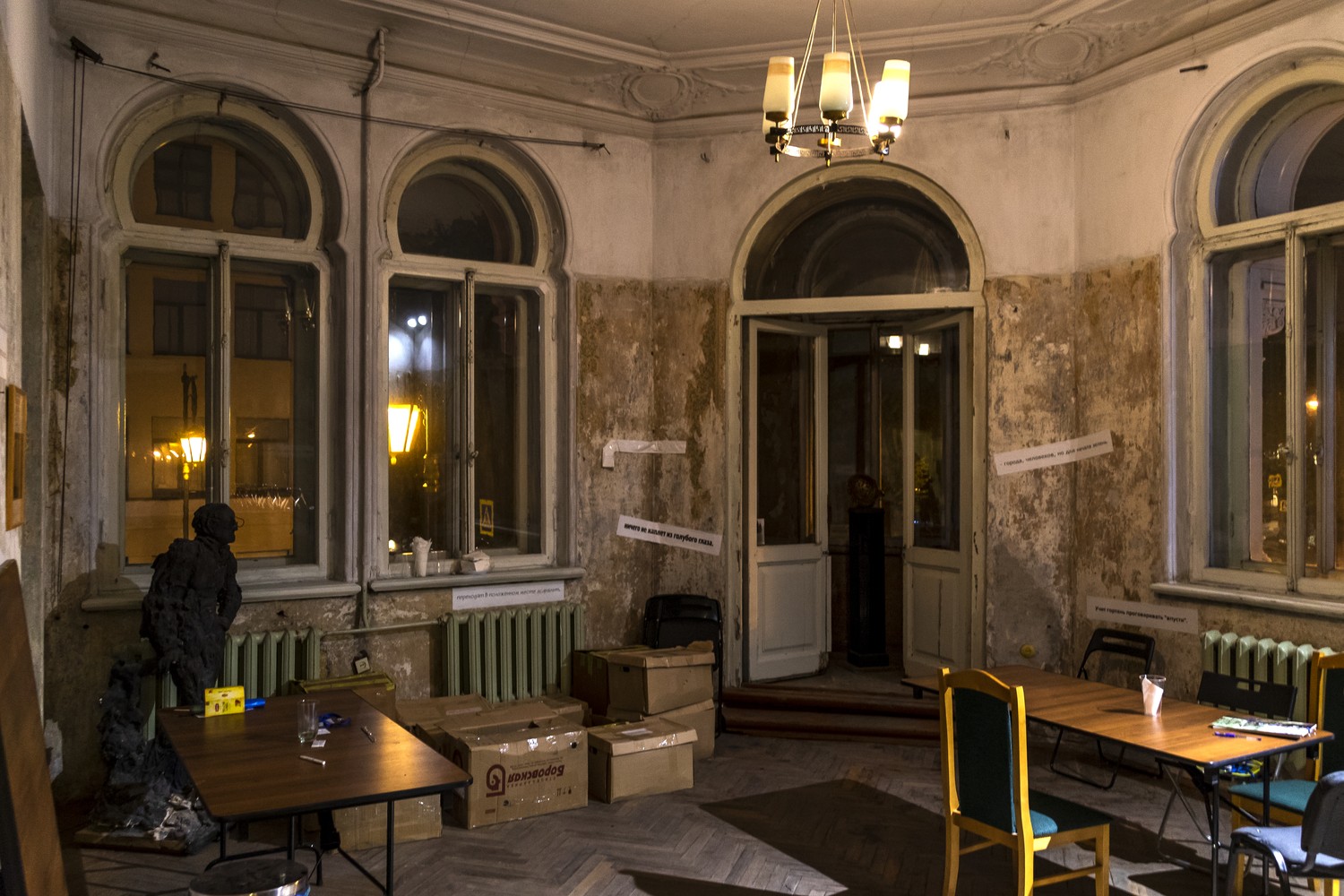
In the heart of Saint Petersburg, where the neoclassical grandeur of Arts Square meets the intimate whispers of history, lies a sanctuary that defies the traditional boundaries of a museum. The Brodsky House Museum is not merely a repository of artifacts but a living, breathing dialogue between two titans of Russian culture: the painter Isaak Brodsky and the Nobel Prize-winning poet Joseph Brodsky. To enter this space is to step through a threshold where the visual and the lyrical converge, offering a rare glimpse into a domestic landscape shaped by profound creative intellect. The museum functions as a dual memorial, meticulously preserving the painter’s apartment alongside a recreated living environment for the poet, creating an immersive atmosphere that feels less like an exhibition and much more like an intimate encounter with the ghosts of genius.
The architecture itself serves as a silent protagonist in this cultural narrative. Situated within a magnificent ensemble designed by the legendary Carlo Rossi, the building embodies the refined elegance of Saint Petersburg’s neoclassical era. This architectural prestige provides a stately backdrop to the more personal, human-scaled experiences found within its walls. For the art lover or the interior designer, the museum offers a masterclass in how space can be used to evoke memory and emotion. The deliberate juxtaposition of the painter's meticulous surroundings with the poet's intellectual retreat allows visitors to contemplate how physical environments foster artistic vision. It is a place where the heavy, social-realist textures of mid-20th-century Russian art meet the ethereal, expansive spirit of modern poetry.
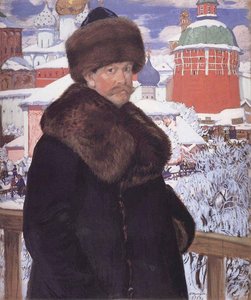
The collection held within these walls is a profound testament to the Russian artistic tradition. In Isaak Brodsky’s memorial apartment, one finds works characterized by an extraordinary level of realism and a deep-seated social consciousness. His canvases, often capturing the rugged essence of landscapes and the dignified gravity of portraits, serve as windows into the soul of Soviet Russia. These pieces are not merely technical triumphs; they are historical documents imbued with the tension and hope of their era. Complementing this visual weight is the literary legacy of Joseph Brodsky, whose presence is felt through the very arrangement of the space. The museum frequently bridges these two worlds through temporary exhibitions and classical music performances, creating a multidisciplinary experience that explores the symbiotic relationship between the written word and the painted image.
What truly distinguishes the Brodsky House Museum from the sprawling, impersonal institutions of the world is its palpable sense of intimacy. It avoids the detached coldness of many grand galleries, opting instead for a scale that invites quiet contemplation and nuance. For collectors and enthusiasts of Russian heritage, it offers an unparalleled opportunity to witness how creativity flourishes within the domestic sphere. Whether one is drawn by the architectural splendor of Rossi’s design, the social commentary found in Brodsky’s realism, or the haunting beauty of Joseph Brodsky's poetic legacy, the museum stands as a singular monument to the enduring power of the human spirit to transform a living space into an eternal work of art.