



A Legacy of Refinement: Discovering the Accorsi–Ometto Museum
Nestled in the heart of Turin, Italy, the Fondazione Accorsi–Ometto - Museo di Arti Decorative stands as a testament to discerning taste and a passion for craftsmanship. More than just a museum, it’s a journey back in time, an immersion into the opulent world of 18th and 19th-century decorative arts—a realm where artistry wasn't merely functional but imbued with profound social significance. As Italy’s pioneering institution dedicated solely to this field, the Accorsi-Ometto doesn't simply display objects; it reconstructs atmospheres, offering visitors a glimpse into the refined lives of Turin’s aristocracy and inviting contemplation on the enduring beauty of meticulously crafted pieces. Its story is inextricably linked to its magnificent building – a palace conceived in 1684 by Amedeo of Castellamonte, court architect to the House of Savoy—a structure that embodies elegance and grandeur, perfectly mirroring the treasures housed within.- A Founding Vision: The Accorsi family’s unwavering devotion to preserving artistic heritage began with Pietro Accorsi's father, who assumed custodianship in 1901. This familial connection instilled a deep appreciation for craftsmanship and fueled the ambition to establish an institution that would champion the appreciation of antique furnishings and decorative arts.
- Architectural Context: Constructed during the reign of Savoy’s illustrious monarchs, the palazzo itself is a masterpiece of Baroque architecture—characterized by its soaring façade adorned with sculptures and intricate ornamentation. Its harmonious proportions and refined detailing speak volumes about the artistic sensibilities of the era.
The Genesis of an Extraordinary Collection
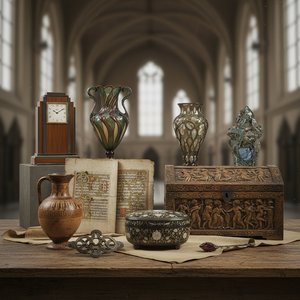
At the core of the Accorsi–Ometto Museum lies an extraordinary assemblage amassed by Pietro Accorsi—a man driven by an unyielding fascination for beauty and artistry. What commenced as a personal pursuit swiftly evolved into a legacy intended for public enjoyment. Upon his passing, Accorsi bequeathed his meticulously curated holdings to a foundation dedicated to fostering admiration for antique furnishings and decorative arts. The resulting museum isn’t a haphazard compilation but rather a thoughtfully constructed narrative—a testament to stylistic evolution and technical mastery. Visitors embark on a captivating exploration through 27 rooms, each arranged with meticulous care to showcase the progression of taste across two centuries.- Material Wealth: The collection’s splendor is immediately apparent in its selection of luxurious materials—shimmering Baccarat crystals that capture and refract light with breathtaking brilliance, delicate Meissen porcelain embodying both artistic finesse and unparalleled technical precision, and exquisitely crafted silverware reflecting the skill of period artisans.
- Room by Room Narrative: Each room within the museum unfolds as a story in itself, revealing not only the aesthetic preferences of the era but also illuminating social customs and daily life—providing visitors with an immersive experience that transcends mere observation.
Masterpieces in Miniature: Highlights of the Collection
Amongst the museum’s vast holdings stand certain pieces that resonate with particular significance—exemplifying exceptional artistry and representing pivotal moments in decorative art history. Foremost among these is Pietro Piffetti’s *Secrétaire-Cabinet* of 1738—a veritable triumph of Piedmontese cabinetmaking. Crafted from rare woods and embellished with intricate ivory and tortoiseshell inlay, this masterpiece embodies the zenith of Baroque craftsmanship.- The Cabinetmaker's Artistry: The *Secrétaire-Cabinet* exemplifies the dedication of artisans who poured their creativity into every detail—a testament to the meticulous techniques employed during the period. Its harmonious proportions and exquisite ornamentation underscore the importance placed upon aesthetic refinement.
- Beyond the Icon: Beyond this centerpiece, the museum’s holdings offer a comprehensive survey of decorative trends—spanning furniture styles from Rococo to Neoclassical—allowing visitors to appreciate the breadth of artistic expression during these formative centuries.
A Unique Institution: Pioneering Decorative Arts Appreciation
The Accorsi–Ometto Museum’s distinction rests not merely in its impressive collection or captivating setting but also in its role as Italy's inaugural museum devoted exclusively to decorative arts. This pioneering spirit reflects a growing recognition of the profound cultural value inherent in these often-overlooked objects—acknowledging them not simply as functional items but as expressions of artistic skill, social status, and cultural values. The museum’s origins in a private collection further enrich its distinctive character—a fact that contributes to an intimate atmosphere and fosters a genuine connection between visitor and artwork.- Personal Passion: Unlike institutions established through state funding or public donations, the Accorsi-Ometto bears the indelible imprint of one man’s unwavering passion for beauty—a testament to the transformative power of individual vision in shaping cultural heritage.