A Jewel of Venetian Byzantine Scholarship
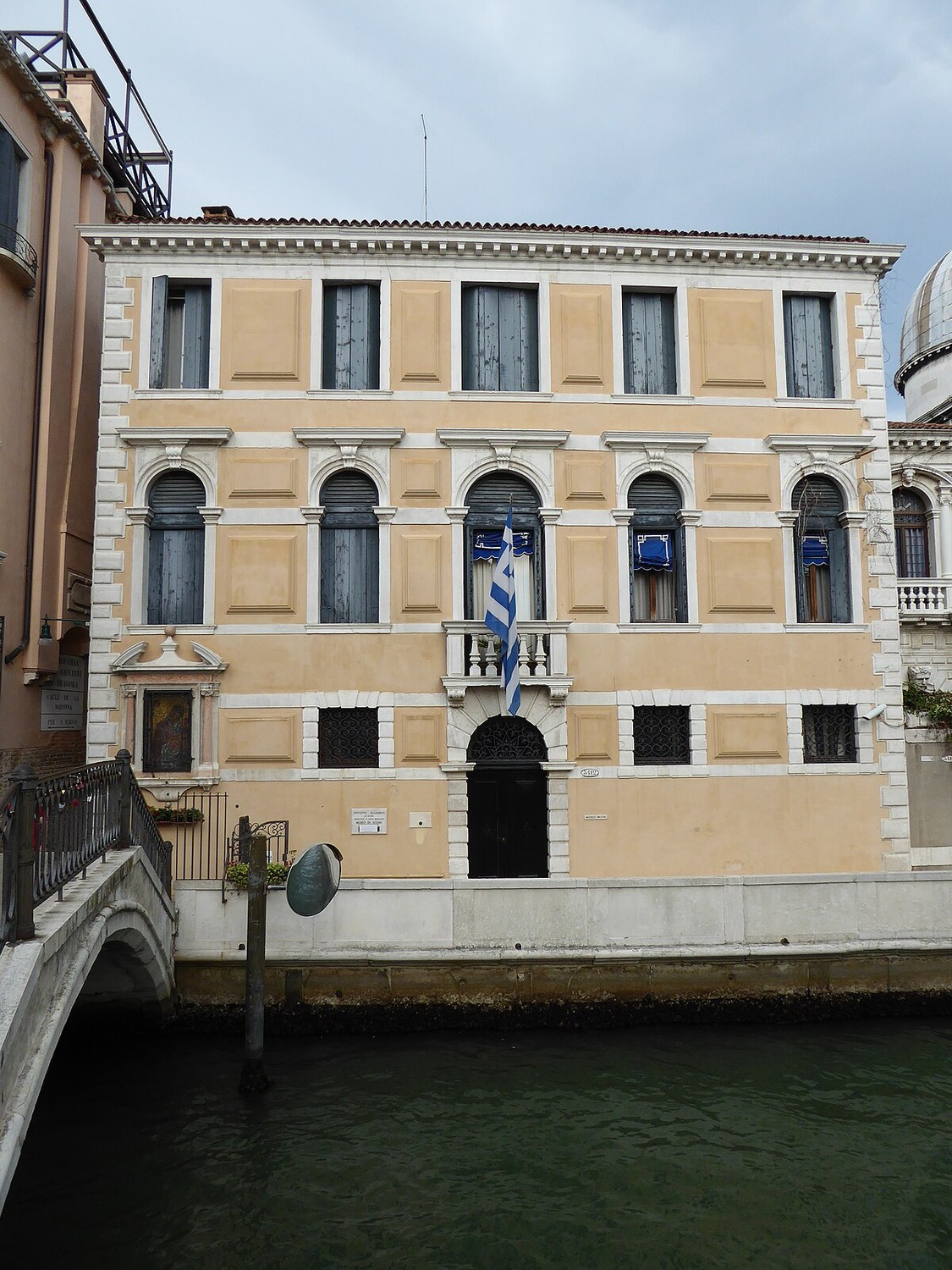
The Hellenic Institute of Byzantine and Post-Byzantine Studies in Venice stands as a singular testament to the enduring legacy of cultural exchange between Greece and Italy—a beacon illuminating the complexities of artistic expression during the medieval period. Established in 1951, this institute isn’t merely a repository of artifacts; it's an active center for research dedicated to unraveling the interwoven narratives of Byzantine art, Greek identity within Venice, and the intellectual currents shaping Europe’s formative centuries.
-
Historical Roots:
Founded under the patronage of the Greek Ministry of Foreign Affairs and coordinated by the Ministry of Education, the Institute's genesis is inextricably linked to Venice’s historic role as a conduit for Eastern Orthodox faith and artistic innovation into Western Europe. For over five centuries, Venetian merchants and diplomats fostered a vibrant Greek diaspora within the city, nurturing traditions that continue to resonate today.
-
A Diverse Collection:
At its core lies an astonishing assemblage of approximately 300 icons—a breathtaking panorama spanning stylistic evolution from early Byzantine masterpieces to later Venetian influences. Alongside these visual treasures are invaluable manuscripts, including a meticulously preserved copy of “The Romance of Alexander,” offering unparalleled insight into medieval storytelling and heroic mythology.
Architectural Echoes of Byzantium
The Institute’s physical presence is itself remarkable—a tangible embodiment of Venetian Byzantine heritage. Dominating the cityscape is San Giorgio dei Greci, a church conceived as a collaborative effort between Venetian architects and Byzantine craftsmen. Its soaring nave and intricate mosaics exemplify the harmonious fusion of architectural styles that characterized Venice during its zenith, reflecting not only artistic ambition but also profound spiritual conviction.
Beyond the Walls: Exploring Venetian Greek Identity
The Flanginian School—once a pivotal institution for Greek education within Venice—provides further context to the Institute’s mission. This historic building served as a focal point for disseminating knowledge and fostering communal bonds between Greeks residing in Venice, demonstrating how artistic patronage and scholarly pursuits intertwined to shape Venetian society.
Notable Exhibitions & Ongoing Research
Recent exhibitions have showcased groundbreaking scholarship on Byzantine iconography and its reception in Western Europe. Researchers at the Institute actively engage with cutting-edge methodologies—digital imaging, archaeometric analysis, and comparative stylistic studies—to deepen our understanding of artistic production and cultural transmission across geographical boundaries.
-
Featured Artists:
The institute’s curators have championed the work of artists like Master of Saint Francis and Agenor Asteriadis, whose paintings exemplify Venetian Byzantine style.
What Sets It Apart
Ultimately, the Hellenic Institute distinguishes itself through its singular commitment to preserving and disseminating knowledge about Byzantium’s influence on Venetian culture. Its collection—a microcosm of artistic achievement—combined with its dedication to scholarly inquiry ensures that this vital chapter in European history continues to inspire future generations.