


A Portal to Antiquity: The Soul of the Institute for the Study of Ancient Cultures
In the heart of Chicago’s Hyde Park, where the intellectual pulse of the University of Chicago beats strongest, lies a sanctuary that transcends the boundaries of time. The Institute for the Study of Ancient Cultures Museum is not merely a repository of stone and gold; it is a profound narrative of human emergence. Founded in 1919 by the visionary Egyptologist James Henry Breasted, with the transformative patronage of John D. Rockefeller Jr., this institution was conceived as a laboratory for civilization itself. To walk through its doors is to embark on a journey across the ancient landscapes of Mesopotamia, Persia, Anatolia, and the Levant, tracing the very threads that wove the tapestry of Western heritage.
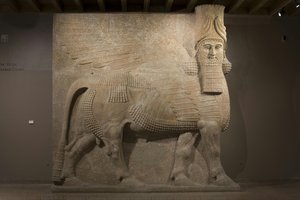
The museum’s collection serves as a breathtaking panorama of human ingenuity, boasting an assemblage of over 300,000 artifacts that whisper stories of forgotten empires. One cannot help but feel a sense of reverence when standing before the monumental Lamassu from Khorsabad —those colossal winged bulls with human heads that once stood as formidable guardians of Assyrian palaces. The sheer scale and muscularity of these sculptures evoke a sense of divine protection and imperial might. Yet, the collection’s brilliance lies equally in its intimacy. From the shimmering, delicate Luristan Bronzes that showcase the sophisticated metallurgical prowess of ancient Iran to the exquisite Megiddo Ivories , which reflect the intricate craftsmanship of Israelite artisans, every object offers a window into the spiritual and aesthetic rhythms of life millennia ago.
Beyond the artifacts, the museum’s physical presence is an architectural masterpiece in its own right. The building, a striking example of Gothic Revival architecture designed by Mayers Murray & Phillip, commands respect with its scholarly gravity. A true highlight for any lover of design is the vibrant Ludowici tile roof, a mosaic of color created by the sculptor Ulric Ellerhusen. This "East Meets West" masterpiece serves as a symbolic crown, mirroring the museum’s mission to bridge the gap between modern inquiry and ancient mystery. For the interior designer or art enthusiast, the interplay of this historic grandeur with the treasures within provides an unparalleled atmosphere of timeless elegance.
What truly distinguishes the Institute is its dual identity as both a world-class museum and a cutting-edge research center. It is a place where the dust of recent excavations in Luxor and the deep scholarship of Chicago House meet the public eye. Through rotating exhibitions that delve into the mysteries of Mesopotamian cosmology or the ritualistic beauty of Egyptian funerary art, the museum breathes life into the silent relics of the past. Whether one is captivated by the opulent jewelry of Persepolis or the symbolic power of cylinder seals, the Institute offers a rare, immersive experience—a chance to touch the very roots of our collective human story.