


A Tapestry of Time: The Soul of Portuguese Elegance
To step within the gates of the Monteiro-Mor Palace in Lisbon is to leave the modern rhythm of the city behind and enter a realm where history breathes through silk, lace, and velvet. The National Museum of Costume, or Museu Nacional do Traje, is far more than a mere repository for garments; it is a profound architectural and sensory journey into the very heart of Portuguese identity. Nestulating within the Baroque splendor of its palatial setting, the museum offers an encounter with the past that is as much about the grandeur of architecture as it is about the delicate artistry of the needle. The palace itself, with its sweeping elegance and tranquil gardens, provides a majestic stage for a collection that captures the shifting tides of social grace and cultural evolution over centuries.
The true magic of the museum lies in its extraordinary assemblage of over 33,000 pieces, a vast treasury that chronicles the sartorial metamorphosis of the 18th and 19th centuries. As one wanders through the galleries, the eye is met with an intricate dance of textures—the heavy, commanding presence of robust linens juxtaposed against the ethereal shimmer of fine silks. These are not merely clothes; they are artifacts of human experience. Each meticulously preserved gown and tailored masculine ensemble tells a story of aristocratic splendor, societal shifts, and the evolving aesthetic sensibilities of a nation. For the collector or the lover of fine detail, the museum offers an unparalleled look at the mastery of Portuguese craftsmanship, where every stitch and pattern serves as a testament to a legacy of textile excellence that has shaped the visual culture of the Iberian Peninsula.
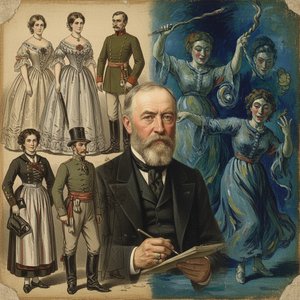
Beyond the physical beauty of the textiles, the museum excels in its ability to weave historical narratives with broader artistic movements. Recent exhibitions have masterfully illuminated the profound connections between costume design and the spirit of eras like Romanticism, demonstrating how the movement's emotional depth was mirrored in the flowing fabrics and dramatic silhouettes of the time. This intersection of fashion and fine art allows visitors to perceive clothing as a dynamic medium of expression—a way in which artists and society captured the fleeting essence of their age. It is this holistic approach that distinguishes the National Museum of Costume from other institutions; it does not merely present fashion in isolation but presents a complete portrait of a society, encompassing its technological advancements, social customs, and artistic triumphs.
The foundation of this cultural sanctuary rests upon the visionary legacy of António Augusto Carvalho Monteiro, a diplomat and collector whose passion for preservation breathed life into this institution. His commitment to safeguarding Portugal's rich traditions ensures that the museum remains an indispensable destination for anyone seeking to grasp the essence of the Portuguese soul. For the interior designer seeking inspiration in historical motifs or the art historian tracing the lineage of style, the museum stands as a luminous beacon of heritage. It is a place where the echoes of the past meet the appreciation of the present, inviting every visitor to embark on a captivating journey through the enduring beauty of tradition and the timeless elegance of Portuguese style.