
A Sanctuary of Sacred Splendor
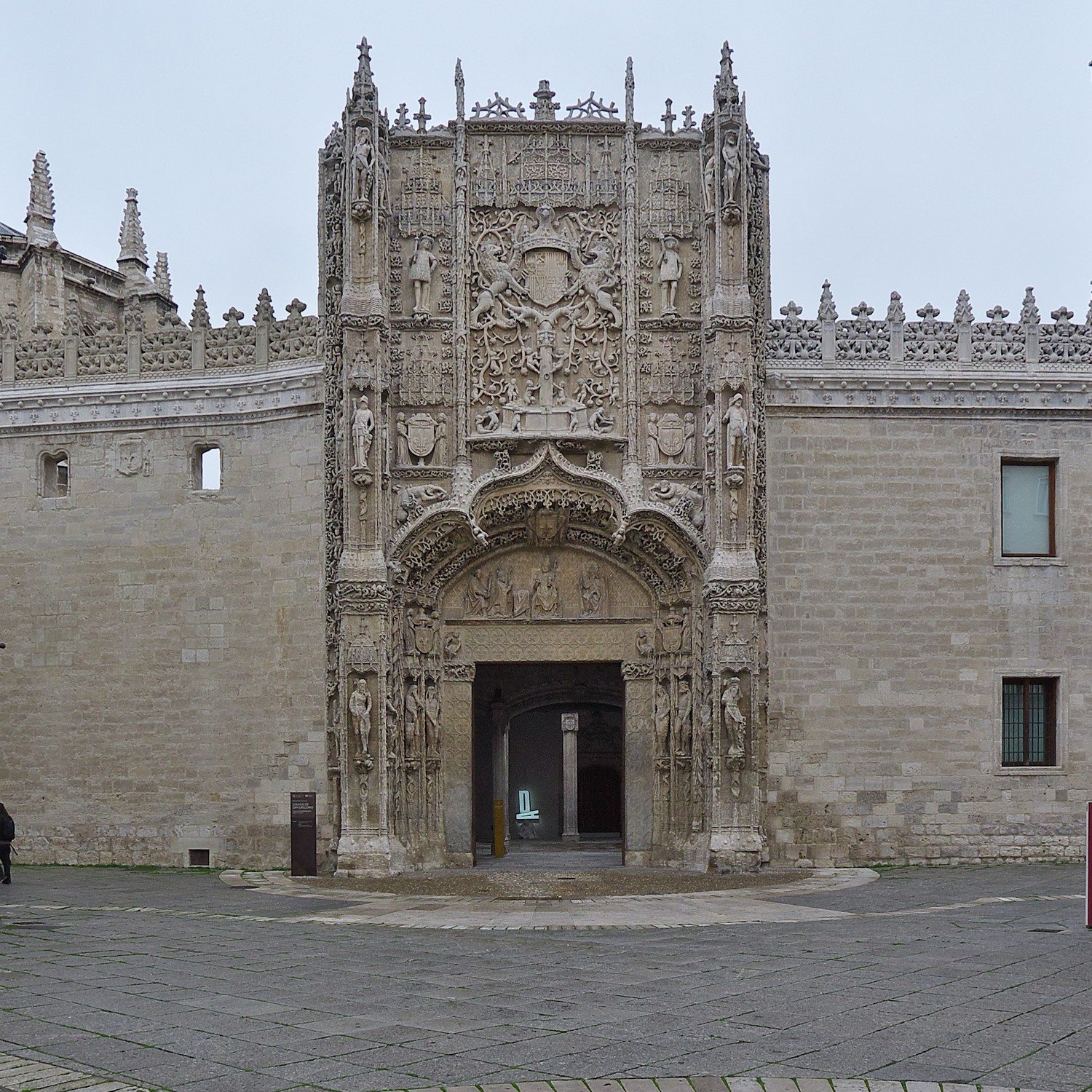
In the heart of Valladolid, where the echoes of Spain’s imperial past still linger in the air, lies the National Museum of Religious Carvings—a profound sanctuary dedicated to the spiritual and artistic soul of a nation. Housed within the magnificent Colegio de San Gregorio , the museum offers far more than a mere display of artifacts; it provides an immersive journey through the fervent devotion of the Medieval and Baroque eras. As visitors step into this historic enclave, they are transported to a time when art served as the primary language of faith, bridging the gap between the earthly and the divine. The atmosphere is one of quiet reverence, where every shadow and light beam seems to dance with the weight of centuries-old prayers.
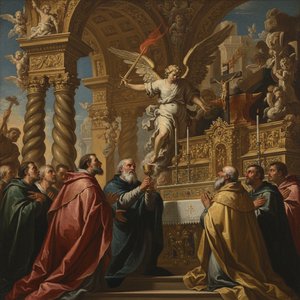
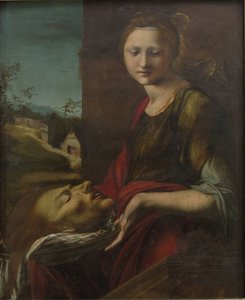
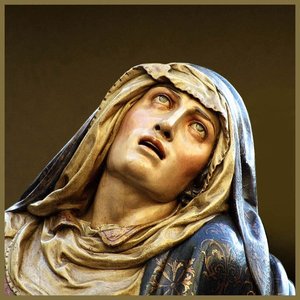
The museum’s collection is nothing short of extraordinary, representing a pinnacle of Spanish sculptural mastery. It serves as a breathtaking gallery for the works of luminaries such as Alonso Berruguete , Juan de Juni , and Gregorio Fernández . These masters did not merely carve wood and stone; they breathed life into their subjects, blending Byzantine influences with deep-seated Iberian traditions to create works of intense emotionality. One might find themselves lost in the intricate details of a polychrome altarpiece, where the subtle textures of carved drapery and the hauntingly realistic expressions of saints evoke a visceral response. For the art lover or collector, these pieces represent the zenith of technical skill, where every chisel mark is a testament to the artist's ability to capture the sublime.
Architectural Grandeur and Historical Resonance
The setting of the museum is as much a masterpiece as the sculptures it protects. The Colegio de San Gregorio itself is a triumph of Renaissance architecture, characterized by its intricate detailing and commanding presence. Walking through its halls, one encounters walls that whisper stories of a bygone era when this building served as both a royal residence and a prestigious educational institution. The architecture acts as a silent protagonist in the museum experience; the interplay of natural light within the historic courtyards creates a contemplative space that perfectly complements the sacred nature of the carvings. For interior designers seeking inspiration, the museum offers a masterclass in how historical grandeur and architectural rhythm can elevate the emotional impact of an art collection.
Beyond its permanent treasures, the museum continues to breathe through recent and ongoing exhibitions that shed new light on the complexities of Spanish religious art. These scholarly pursuits delve into the hidden layers of theological symbolism and the evolution of material techniques, ensuring that the museum remains a living, breathing institution rather than a static relic. By exploring groundbreaking discoveries in iconography, researchers and visitors alike are invited to reconstruct the narratives embedded within these sacred forms. This dedication to both preservation and discovery is what truly distinguishes Valladolid’s National Museum of Religious Carvings, making it an essential pilgrimage for anyone captivated by the enduring power of Spanish cultural identity.