



A Sanctuary of Stone: The Romanesque Soul of Cabestany
In the heart of Catalonia’s picturesque landscape, where the sun warms the ancient stones of southern France, lies the Parish Church of Notre-Dame—a quiet sentinel of medieval devotion. To step within its walls is to leave the modern world behind and enter a realm defined by the profound stability of the High Romanesque era. The architecture itself speaks of an age of spiritual permanence; thick, protective walls and heavy barrel vaults create an atmosphere of solemn grandeur, where every rounded arch serves as a gateway to the divine. This is not merely a building, but a vessel for a singular, breathtaking artistic legacy that has captivated scholars and travelers alike for centuries.The church stands as a testament to a time when faith and craftsmanship were inextricably intertwined, offering a rare glimpse into a pivotal period of European art history. For the lover of historical architecture, the structure provides a masterclass in monastic design, where the weight of the stone conveys a sense of eternal sanctuary, shielding the treasures within from the passage of time.
The Enigma in the Stone: The Master’s Hand
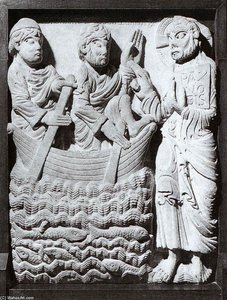
The true heartbeat of this sacred space resides in the works of an artist whose identity remains shrouded in mystery: the Master of Cabestany. Discovered during the restorative whispers of the 1930s, this enigmatic sculptor left behind a trail of masterpieces that define the Romanesque aesthetic. His technique is instantly recognizable to the discerning eye, characterized by a striking, almost hypnotic precision. One cannot help but be drawn to the low, triangular faces and those uniquely crushed chins that lend such character to his figures. The Master’s ability to manipulate stone into intricate drapery, paired with deeply carved ears and almond-shaped eyes, creates a sense of lifelike presence within the cold medium.For the collector or designer of fine aesthetics, his work represents a pinnacle of how texture and form can evoke deep, primal emotions through sheer craftsmanship. The Master’s influence was not confined to this single village; his itinerant workshop traversed vast distances, leaving traces of his distinctive style in the landscapes of Tuscany, Navarre, and beyond. This geographic reach underscores the importance of Cabestany as a vital node in the dissemination of medieval artistic innovation across Europe.
Narrative in Relief: The Tympanum’s Eternal Message
Above the entrance, the church’s most magnificent treasure awaits: the monumental tympanum. This semicircular panel acts as a window into the medieval psyche, presenting a complex narrative of judgment and salvation through stylized, powerful figures. Here, the stone breathes with theological significance, using every fold of drapery and every subtle facial expression to convey the weight of spiritual consequence. It is a masterclass in 12th-century iconography, where the interplay of light and shadow across the relief work brings the sacred drama to life.To witness this piece is to understand the profound symbolic language of the Middle Ages. The Master’s dedication to capturing human emotion through meticulous detail ensures that the tympanum remains more than just a decorative element; it is a powerful, enduring sermon in stone. For those seeking inspiration in the intersection of history and art, the Parish Church of Notre-Dame offers an unparalleled encounter with the enduring power of the Romanesque spirit.


