

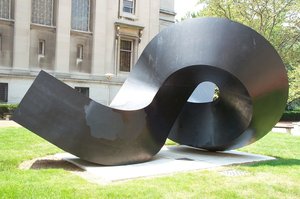


A Sculptural Echo of Friendship: Unveiling Ruta de la Amistad
Nestled within the vibrant heart of Mexico City, along the bustling Anillo Periférico highway, lies a truly singular artistic experience – Ruta de la Amistad (The Route of Friendship). More than just a collection of monumental sculptures, it’s a poignant testament to international collaboration, a celebration of cultural exchange, and an ongoing conservation project that breathes life into a forgotten legacy. Established in 1994 by Luis Javier de la Torre González and Javier Ramírez Campuzano, the Patronato Ruta de la Amistad A.C. embarked on a mission to rescue and preserve these remarkable works, originally commissioned for the 1968 Summer Olympics – an event that forever shaped Mexico’s identity and its place on the world stage.
The genesis of Ruta de la Amistad is deeply intertwined with the spirit of those Games. In 1967, Mathias Goeritz, a visionary German-Mexican sculptor, conceived of a public art project designed to symbolize unity and goodwill amongst nations. He envisioned a corridor of sculptures, each reflecting the unique artistic sensibilities of its creator – a bold statement against the backdrop of Cold War tensions. Twenty-two artists from seventeen countries answered the call, contributing works that range dramatically in style and material, from Alexander Calder’s iconic “Sol Rojo” (Red Sun) to more abstract forms, creating a dynamic and visually arresting journey for visitors. The project wasn't merely about showcasing art; it was an active engagement with international relations, inviting embassies and institutions to participate through a dedicated trust fund established by the Fondo Nacional para la Cultura y las Artes.
A Unique Urban Canvas: Architecture and Setting
What distinguishes Ruta de la Amistad from traditional museum experiences is its utterly unconventional setting. Rather than residing within the confines of walls, these monumental sculptures are strategically positioned along a major thoroughfare – the Anillo Periférico, a busy artery of Mexico City’s transportation network. This juxtaposition creates an immediate and compelling dialogue between art and everyday life, forcing visitors to confront the scale and beauty of the artworks amidst the constant flow of traffic. The choice itself is deliberate; it speaks to the accessibility of art, inviting engagement from all walks of life, regardless of their prior knowledge or interest.
The sculptures are not simply placed; they’re integrated into the urban landscape. Careful consideration has been given to their placement, ensuring that each piece commands attention and offers a unique perspective. Beyond the main route, three key sculptures – “Sol Rojo,” “Hombre Corriendo,” and “Osa Mayor” – reside in dedicated venues, further expanding the experience and highlighting the project’s broader significance within the Olympic legacy. The surrounding environment has also been thoughtfully curated, with the Jardines Nativos de Pedregal providing a natural counterpoint to the industrial setting, showcasing native flora and fauna while incorporating rainwater harvesting systems.
A Collection of Global Voices: Notable Sculptures
The collection itself is remarkably diverse, reflecting the breadth of artistic talent invited to participate. “Señales” (Signals) by Ángel Gurría San Jerónimo stands as a striking example of abstract sculpture, its form echoing the complexities of communication and connection. Alexander Calder’s “Sol Rojo,” a vibrant explosion of color and movement, remains one of the most recognizable pieces, embodying the spirit of playful experimentation that defined the project. Beyond these highlights, visitors will encounter works by artists from across Europe, Asia, and Latin America, each offering a distinct interpretation of friendship, peace, and international understanding.
The ongoing efforts of the Patronato Ruta de la Amistad extend beyond mere preservation. The “Intervention Program” brings together contemporary artists to provide ongoing care for the sculptures and their surroundings, ensuring that these artworks remain vibrant and engaging for future generations. Furthermore, initiatives such as the “Edible Forest Project” demonstrate a commitment to environmental sustainability, integrating ecological practices into the museum’s operations.
A Living Legacy: Conservation and Cultural Heritage
Ruta de la Amistad is more than just an art exhibition; it's a vital piece of Mexico City’s cultural heritage. The Patronato’s dedication to conservation ensures that these sculptures – each a symbol of international goodwill – will continue to inspire and engage visitors for years to come. The project’s success hinges on the continued support of embassies, institutions, and private donors, highlighting the power of collaborative efforts in preserving artistic legacies. Visiting Ruta de la Amistad is an opportunity to step outside the conventional museum experience, immerse oneself in a dynamic urban environment, and reflect on the enduring value of friendship and cultural exchange.


