


A Coastal Sanctuary of Roman Echoes and Victorian Vision
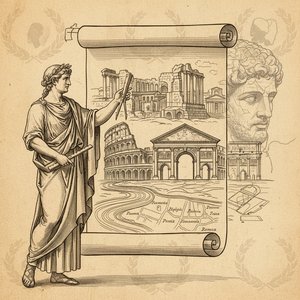
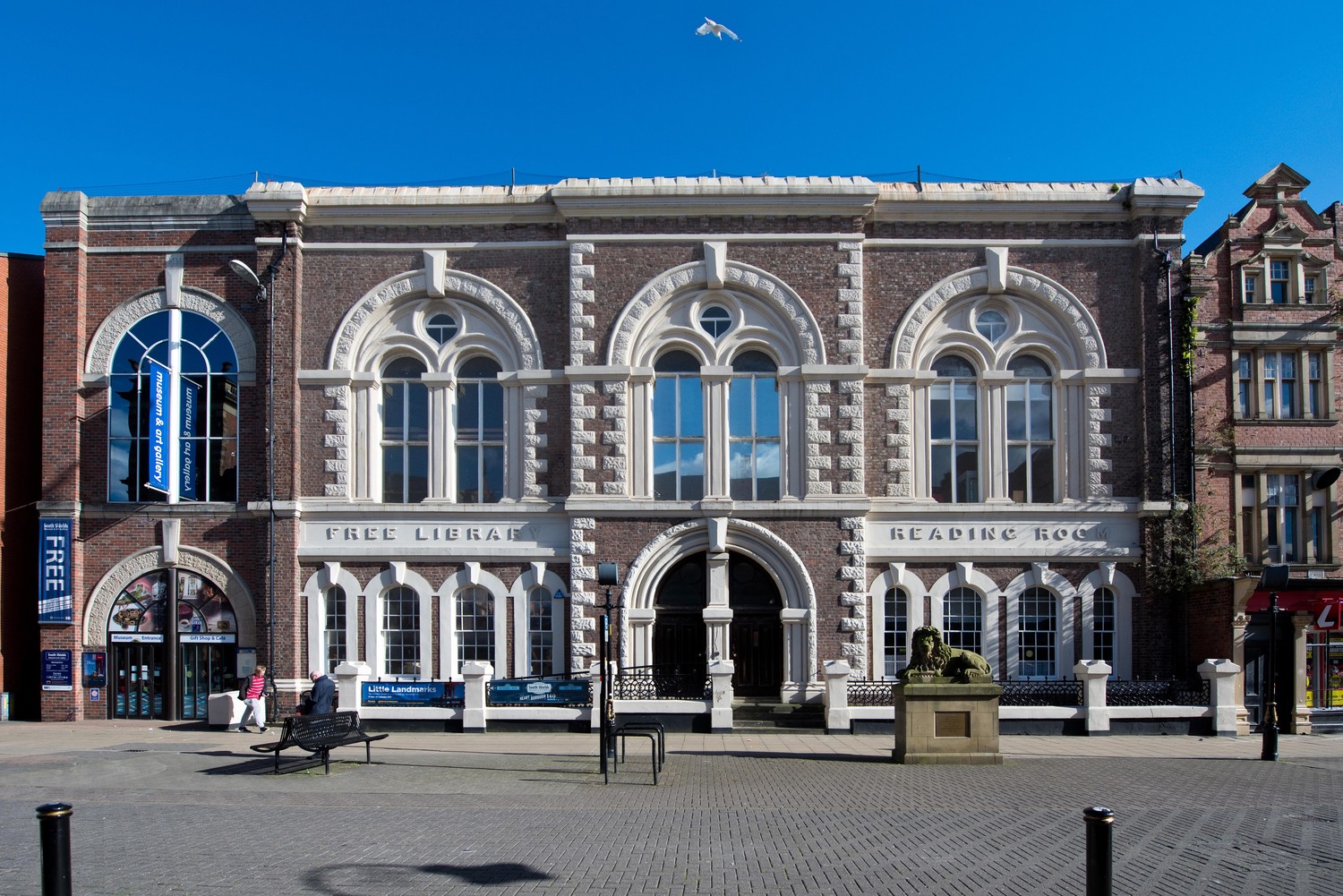
Nestled along the rugged coastline of Northumberland, the South Shields Museum and Art Gallery serves as a profound temporal bridge, connecting the disciplined grandeur of the Roman Empire with the evocative, salt-sprayed landscapes of the Victorian era. To step through its doors is to enter a space where history is not merely displayed but felt, as the museum breathes life into the remnants of the Arbeia Roman Fort. Here, the tangible artifacts of a frontier civilization—reminders of an age when Hadrian’s Wall stood as the edge of the known world—intertwine with the maritime soul of South Tyneside. For the art lover and the historian alike, the museum offers a rare intimacy, presenting a narrative that is both deeply local and universally resonant through its themes of resilience, trade, and imperial ambition.
The collection’s true heartbeat, however, lies in its exquisite mastery of light and atmosphere, particularly through the works of Charles Napier Hemy. His paintings are more than mere depictions of Tynemouth lifeboats or the churning North Sea; they are emotional studies of the relationship between man and the elements. With a technique that captures the fleeting translucency of coastal mist and the dramatic weight of crashing waves, Hemy’s canvases possess a magnetic quality that continues to captivate collectors and interior designers seeking pieces with profound depth and movement. This maritime legacy is further enriched by the museum's celebration of local identity, where the rugged beauty of the Northumberland shores is rendered with a reverence that transforms landscape into legend.
Beyond the sea-swept vistas, the museum offers a poignant glimpse into the creative spirit of Catherine Cookson. While globally renowned for her literary prowess, the gallery unveils her softer, more observational side through her sketches and paintings. These works provide an essential window into the Victorian cultural landscape, revealing a keen eye for human emotion and the subtle textures of daily life. This duality—the epic scale of Roman history meeting the delicate, personal observations of Cookson—creates a unique curatorial tension that makes South Shields a destination of singular importance. It is a place where the industrial transformation of the Tyne and Wear region is honored through fine art, making it an indispensable pilgrimage for those who appreciate the intersection of heritage and aesthetic excellence.