


A Sanctuary of Bronze and Soul: The Living Legacy of Zair Azgur
In the heart of Minsk, where the pulse of Belarusian history beats most vibrantly, lies a space that transcends the traditional boundaries of a museum. The Memorial Museum-Studio of Z. Azgur is not merely a silent hall of relics; it is an intimate, breathing encounter with the creative spirit of Zair Isaakovich Azgur, the master sculptor who defined the monumental aesthetic of an era. To step across its threshold is to enter the very mind of the artist, moving through a landscape where the scent of damp clay and the cold permanence of bronze converge. This is a monographic sanctuary, a place where the distinction between the creator’s life and his art has entirely dissolved, offering visitors a rare glimpse into the sacred process of bringing form to the formless.
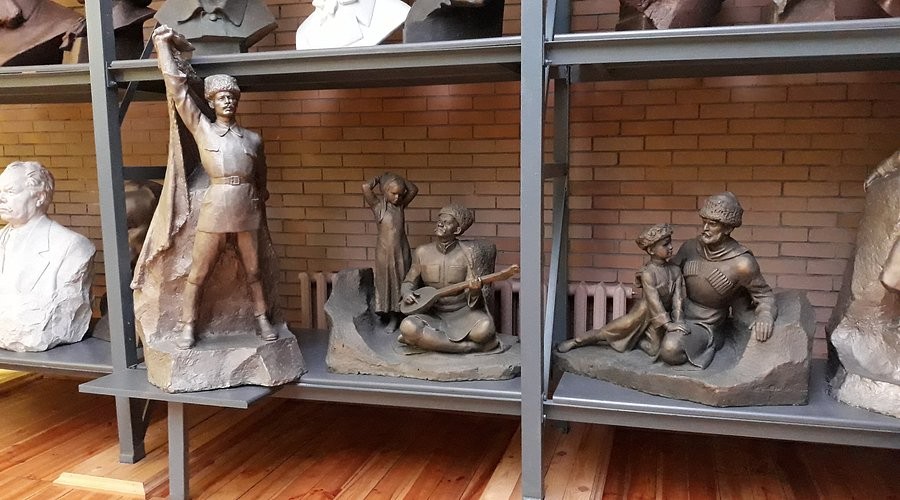
The museum’s architecture, designed in 1984 by V.N. Aladov, serves as a profound extension of Azgur’s own artistic philosophy. Rather than a sterile gallery, the building was conceived as a functional studio, a light-drenched workshop where the environment itself fosters inspiration. Large windows overlook a quiet courtyard, flooding the expansive work areas with the natural illumination that Azgur so meticulously required to capture the subtle nuances of musculature and facial expression. This intentional design allows one to wander through spaces that feel frozen in time, where the tools of the trade—the sketches, the plaster casts, and the heavy sculpting implements—remain as silent witnesses to the monumental achievements that once took shape within these walls.
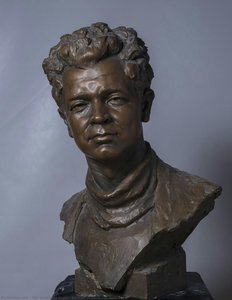
The collection held within this studio is a breathtaking testament to Azgur’s unparalleled versatility. While he is globally recognized for his grand, heroic monuments—including iconic tributes to Vladimir Lenin and Belarusian legends like Yakub Kolas—the true magic of the museum lies in its psychological depth. Beyond the imposing figures of state and history, one discovers an exquisite collection of portraiture that reveals the tender, human side of his subjects. Through the medium of plaster, metal, and stone, Azgur achieved a mastery of texture and emotion, imbuing even the smallest bust with a profound sense of character. For the art lover or collector, these works represent more than just Soviet-era craftsmanship; they are studies in the enduring power of the human spirit, captured in the permanence of three-dimensional form.
What truly distinguishes this museum is its role as a dynamic cultural laboratory, far removed from the static nature of traditional institutions. It remains a living space where the legacy of the past fuels the creativity of the present. Through seasonal workshops, such as pottery sculpting and even delicate craft sessions, the studio invites a new generation to touch the very materials that shaped history. This commitment to engagement ensures that Azgur’s influence is not relegated to the annals of textbooks but remains a tactile, evolving experience. For interior designers seeking inspiration in classical strength or historians tracing the lineage of Eastern European sculpture, the Memorial Museum-Studio offers an unforgettable journey into a world where art and life are inextricably entwined.




