

A Modernist Sanctuary Amidst Ueno’s Verdant Grace
Nestled within the tranquil, sprawling expanse of Tokyo’s Ueno Park, the National Museum of Western Art stands as a profound architectural and cultural triumph. It is not merely a building but a deliberate bridge between East and West, a sanctuary where the European tradition finds a permanent, reverent home on Japanese soil. The museum’s very silhouette is an encounter with greatness; its Main Building, designed by the legendary Le Corbusier, serves as a monumental testament to modernist innovation. As a UNESCO World Heritage Site, this reinforced concrete masterpiece utilizes bold, cantilevered forms and a radical departure from traditional Japanese aesthetics to create a space that feels both grounded in history and soaring toward the future. For the admirer of design, the architecture itself acts as a prologue to the treasures held within, offering an atmosphere of light and expansive volume that prepares the soul for the visual splendor of the collection.
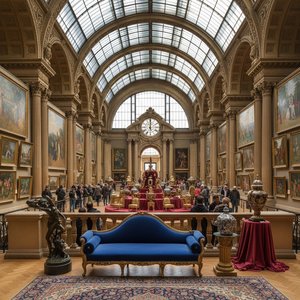
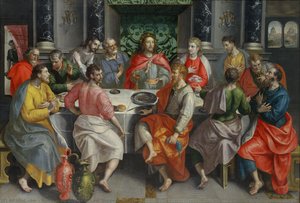
The heart of the museum beats with the legacy of Kōjirō Matsukata, a visionary collector whose profound passion for Western art laid the foundation for this singular institution. Established in 1959, the museum was born from a desire to cultivate a national repository that could foster international dialogue and artistic contemplation. This historical mission is palpable in every gallery, where the collection unfolds like a grand narrative of human creativity. Visitors are invited to wander through centuries of evolution, moving from the opulent, dramatic textures of the Venetian Renaissance to the delicate, light-drenched landscapes of the Impressionist era. The museum’s curation masterfully balances the monumental with the intimate, allowing collectors and enthusiasts alike to witness the transformative shifts in how humanity perceives color, form, and emotion.
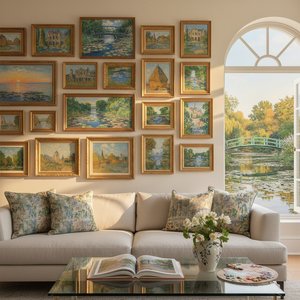
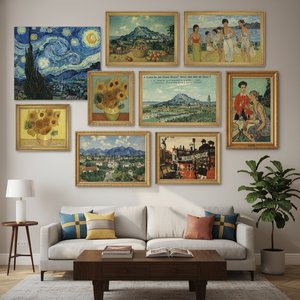
To step into the galleries is to engage in a silent conversation with the masters. One might find themselves captivated by the vibrant, expressive energy of Vincent van Gogh’s Sunflowers , a work that exemplifies the raw power of Post-Impressionism, or lost in the ethereal, atmospheric tranquility of Claude Monet’s Water Lilies . The collection also pays homage to the sculptural genius of Auguste Rodin, whose works provide a tactile, muscular contrast to the fluidity of the paintings. Beyond its permanent holdings, the museum has gained international renown for hosting landmark exhibitions that bring the world’s most precious treasures to Tokyo—such as the historic 2020 collaboration with the National Gallery in London. This commitment to global exchange ensures that the National Museum of Western Art remains a living, breathing entity, constantly renewing its relevance and continuing to inspire the next generation of artists, designers, and dreamers.