

A Sanctuary of Statesmanship: The Soul of the Woodrow Wilson House
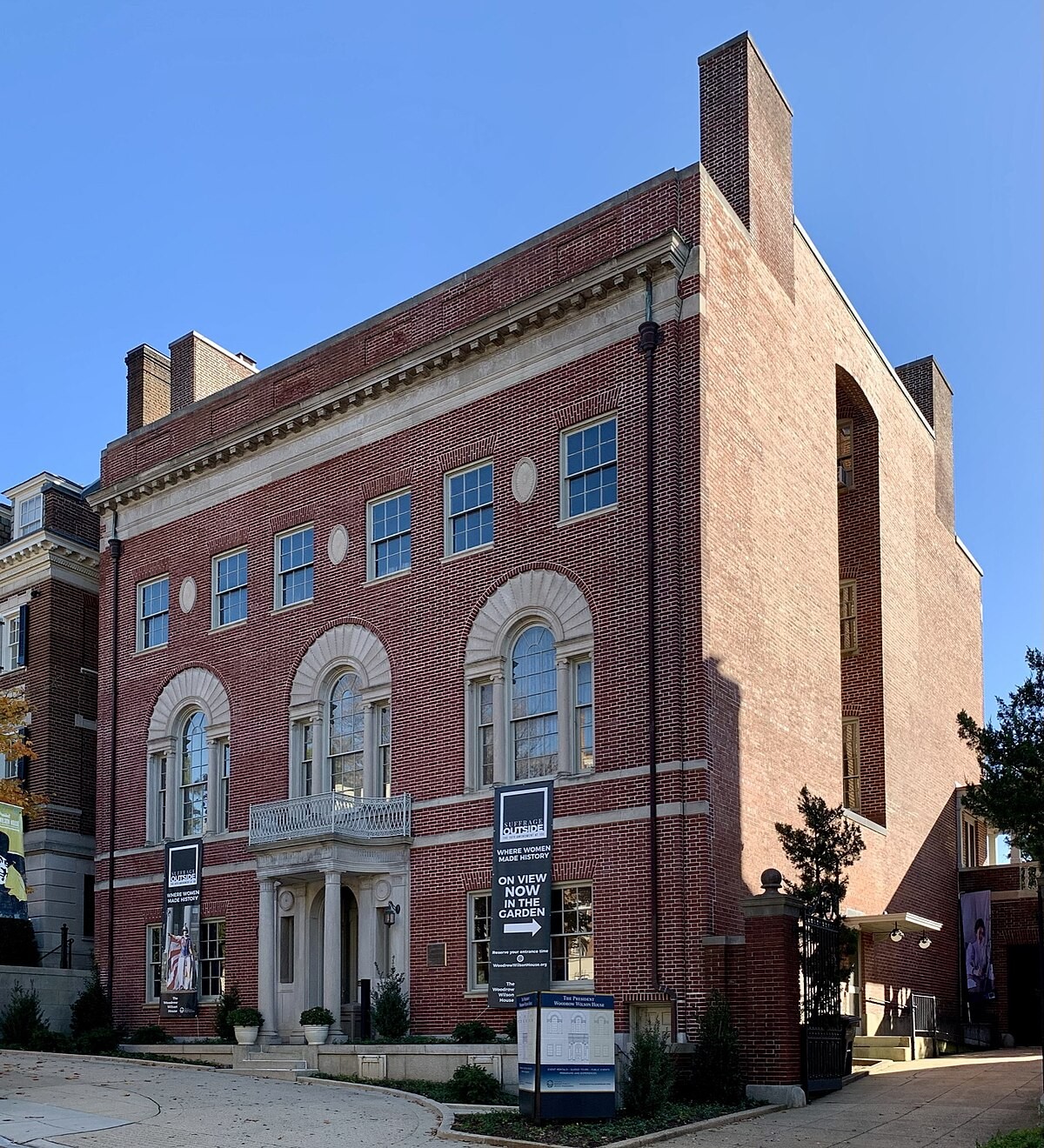
In the heart of Washington, D.C., tucked just away from the grandiosity of Embassy Row, lies a residence that breathes with the quiet dignity of a bygone era. The President Woodrow Wilson House is far more than a mere architectural relic; it is a meticulously preserved time capsule, an intimate window into the Edwardian period and the private reflections of a man who shaped the twentieth century. As one approaches this Georgian Revival masterpiece, the symmetrical façade and stately Corinthian columns evoke a sense of stability and classical grace, much like the ideals Wilson himself sought to instill in the international order. Designed by the prominent architect Waddy Wood and completed in 1915, the house stands as a testament to an age of elegance, where architectural grandeur served as a backdrop for profound historical shifts.
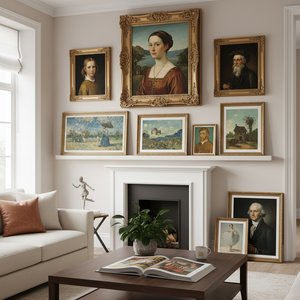
Stepping across its threshold, visitors are transported into a world of refined intimacy that grand presidential libraries often lack. The atmosphere is one of heavy velvet, polished wood, and the lingering echoes of diplomatic discourse. This was not a place of public spectacle, but a private sanctuary where the 28th President could retreat from the turbulent pressures of post-war politics to reconnect with his family. For interior designers and lovers of historical aesthetics, the house offers an unparalleled masterclass in period preservation. The rooms are decorated much as they were when the Wilsons resided here, featuring tufted furniture, a library once housing over 8,000 volumes, and a sense of spatial harmony that reflects the meticulous craftsmanship of the early twentieth century.
The collection held within these walls is a poignant tapestry of personal history and political legacy. Beyond the architectural splendor, the museum invites a deeper contemplation through its treasures, such as the masterful 1946 portrait by Stanislav Rembski. This work of academic realism captures Wilson’s solemn gaze and dignified posture, serving as a visual anchor for the gravity of his leadership. Alongside these fine arts, one finds the tangible traces of a life lived in the service of ideals: handwritten correspondence that offers a glimpse into the President's private thoughts on domestic policy and international peace, and documents that trace the very formation of the League of Nations. These artifacts do not merely sit behind glass; they breathe life into the historical narrative, connecting the modern observer to the intellectual pursuits of a statesman.
What truly distinguishes the Woodrow Wilson House is its ability to balance the monumental with the personal. While much of Washington's history is told through sweeping monuments, this museum focuses on the human element—the quiet moments in a library by a crackling fireplace or the reflections shared in a private study. Recent exhibitions have continued this tradition, exploring the complexities of Wilsonian idealism and its enduring impact on American culture. For the collector of history and the admirer of fine art, the house offers a rare opportunity to walk through a living narrative, where every corner reveals a story of diplomacy, loss, and the unwavering pursuit of progress.