

目次
基本情報
- Alternate names:
- Tottori Prefectural Museum
- Tottori Museum
- 鳥取県立博物館
- Tottori Kenritsu Hakubutsukan
- Tottori Art Museum
- Works on APS: 21
- Featured artists:
- otsuka yoshifumi
- Kenji Nakamura
- kaori fujimoto
- Location: Tottori Prefecture, Japan
- Movements:
- contemporary
- contemporary minimalism
- contemporary realism
収蔵作家一覧

otsuka yoshifumi
Explore the artistry of Otsuka Yoshifumi, a Japanese knife maker specializing in traditional forging techniques. Discover his 'Introducing Ōtsuka Knives' & more!

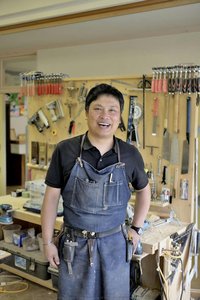
Kenji Nakamura
Discover Kenji Nakamura's unique woodworking art from Tottori Prefecture. Explore his intricate designs & craftsmanship in this captivating collection.
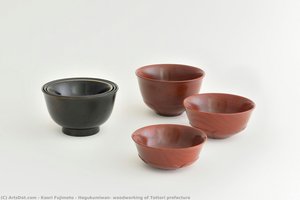
kaori fujimoto
Discover Kaori Fujimoto's poignant essays & stories exploring identity, loneliness, and quiet beauty. Notable in Best American Essays – explore her unique voice.
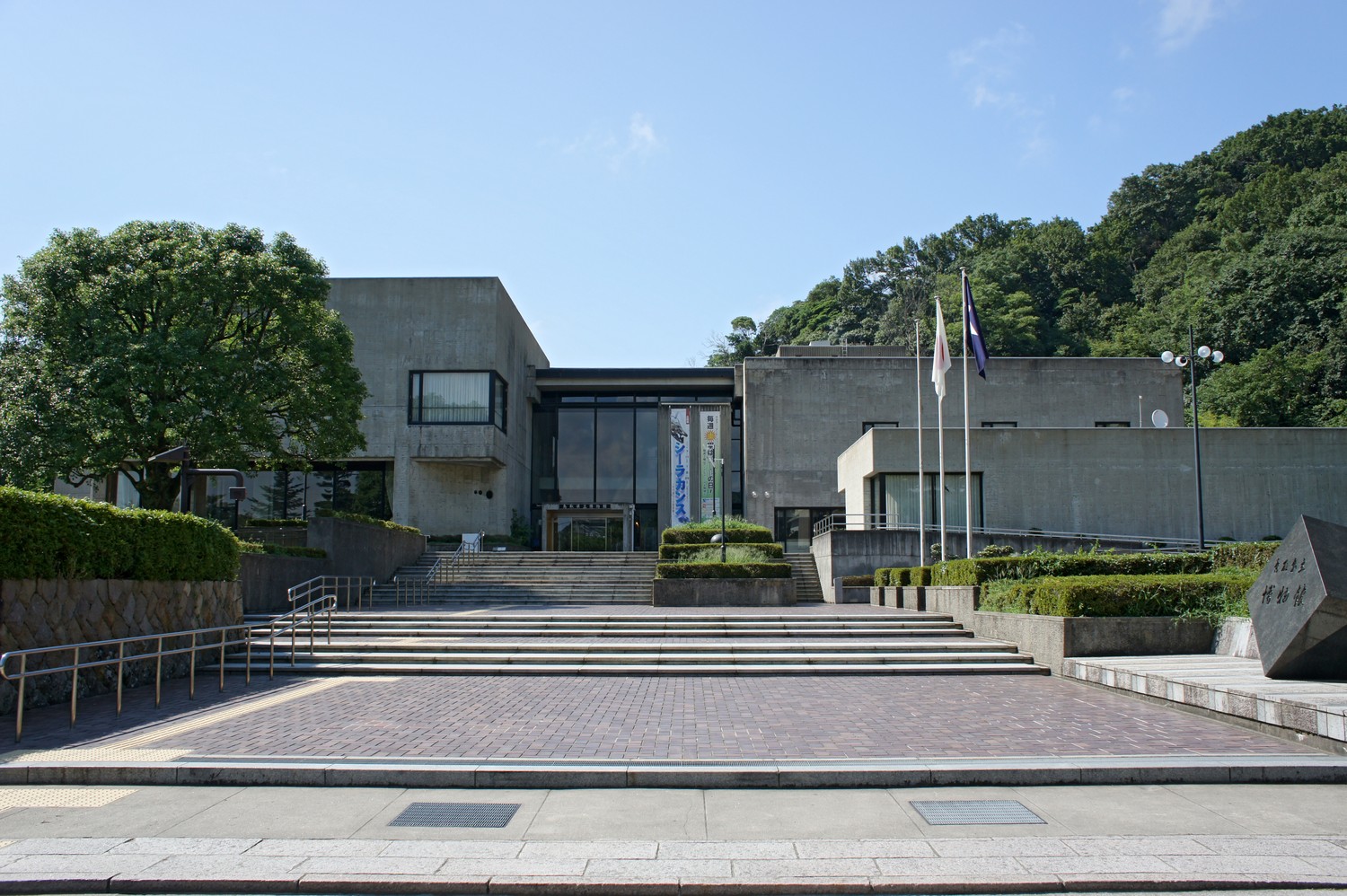
アート・クイズ
各質問の正解は1つのみです。
問題 1:
What is the primary focus of the Tottori Prefectural Museum?
問題 2:
Approximately how many items comprise the museum's collection?
問題 3:
The museum’s building is notable for its integration with Mt. Kyusho and the ruins of Tottori Castle, emphasizing:
問題 4:
What distinguishes the Tottori Prefectural Museum from other cultural institutions?
問題 5:
The museum's artistic collection includes paintings, sculptures, and crafts that reflect both traditional forms and:
関連記事

葛飾北斎:25の傑作が語る浮世絵の世界 - ArtsDot
葛飾北斎の25選:『神奈川沖浪裏』や『富嶽三十六景』など、浮世絵の世界を深く探求。木版画の技法と日本美術の美をArtsDotで。高品質なアートプリントで空間に感動を。コレクションはこちら。
Floating World: The Captivating Art and Legacy of Japanese Ukiyo-e
Explore the profound beauty of Japanese Ukiyo-e. Discover the history, masters like Hokusai, and the enduring legacy of the 'Floating World' through an expert art-historical lens.
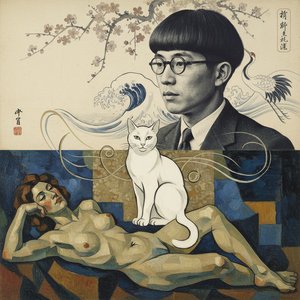
Léonard Foujita: A Poetic Synthesis of Japanese Sensibility & European Modernism
Discover the captivating world of Léonard Foujita, a master bridging Japanese aesthetics & European Modernism. Explore his signature style, diverse works, and enduring legacy – essential reading for discerning art collectors.
Tottori Prefectural Museum の収蔵品一覧
作品が見つかりませんでした。.