 Предпросмотр
 Поделиться
 Поделиться
 Детали произведения

 Скачать
 Похожие работы
 Рентгенография
 Слайд-шоу
 Статистика
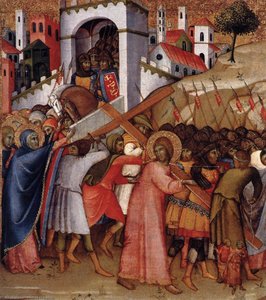
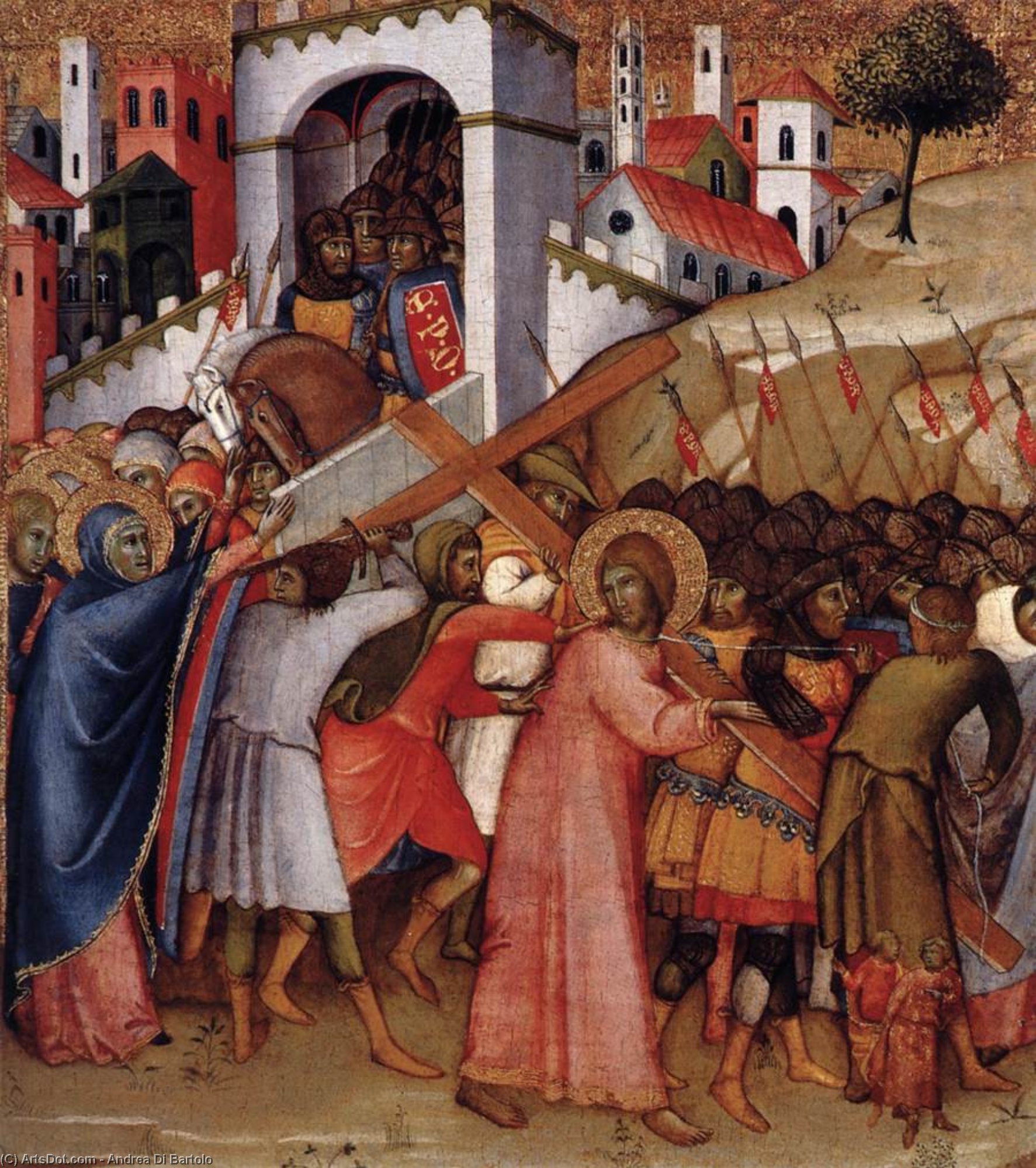
Христос на пути в Гевониму
 Акрил на холсте
- Настенный декор
- Renaissance Early
 1415
1415 55.0 x 49.0 cm
 Fundación Colección Thyssen-Bornemisza
 Читать далее
Масляная репродукция ручной работы
Картина маслом на холсте в выбранном вами размере и раме, написанная на заказ нашими художниками. ( Перейти к печати Перейти к цифровым изображениям)




P118B $10

P118H $10

P118W $10

P438Z $10

P508JH $12

P508YH $12

P805H $10

P805Z $10

P919BZ $10

P919G $10

P919XJ $10

P959ZH $10

P968JZ $12

W106C $8

W218G $10

W218JH $8

W218Y $10

W307PJ $10

W316G $10

W316PJ $8

W316Y $10

W398PJ $8

W4111J $10

W500HY $15

W500JH $15

W692G $12

W849H $8

W940BG $15

W953PJ $8




Выберите один из наших стандартных размеров, соответствующих оригинальным пропорциям произведения искусства.

Вы можете указать собственные размеры, чтобы картина идеально вписалась в выбранную раму или пространство. Если выбранный вами размер не соответствует пропорциям оригинала, мы либо обрежем полотно, либо расширим его за счет дополнительных элементов, написанных вручную. Цифровой макет будет отправлен вам на утверждение перед началом производства.
Обратите внимание, что предварительный просмотр на экране не отражает фактическую обрезку или расширение. Только макет точно покажет окончательную композицию.
Хотя доступны индивидуальные размеры, мы рекомендуем выбирать вариант из предопределенного списка, чтобы сохранить исходные пропорции.
После оформления заказа команда ArtsDot.com свяжется с клиентом по электронной почте для уточнения деталей и предоставит предварительный макет
Доставка по всему миру () за 3–4 недели вместо стандартных 5 недель. (12 Сентябрь). Без компромиссов в качестве.

Бесплатная экспресс-доставка по всему миру

Высококачественный льняной холст

Полное страхование доставки

Гарантия возмещения таможенных пошлин

Гарантия точного соответствия цветов

100-дневная политика возврата (только при обнаружении дефектов)

Гарантия возврата 100% средств

Предложение оптовых скидок
 Вариант со стеклом доступен только для размеров менее 110 см

Христос на пути в Гевониму
Техника репродукции
Размер репродукции
-


Итоговая стоимость
$ 263
Христос на пути в Гевонизиму Андреа ди Бартоло
Андреа ди Бартоло (1365–1428) был итальянским живописцем и витражным художником из Сиены, наиболее известным своим религиозными произведениями. Он работал преимущественно в позднем кватроканте и оставил неизгладимый след в сиенской живописи, характеризующийся лирической чувствительностью, глубочайшим гуманизмом и мастерским владением цветом, предвосхищающим развитие Высокого Возрождения. Его наследие определяется небольшим количеством тщательно восстановленных работ, которые были внимательно проанализированы через анализ подписанных произведений и сравнительный стиль. Родившийся около 1320 года во Флоренции, Андреа ди Бартоло был сыном и учеником Бартоло ди Фреди – выдающегося художника из Сиены. Он был одним из трех братьев – Орканги, Андре и Якопо – всех из которых было частью художественного наследия их семьи. Его юность прошла в мастерской отца, который принимал многочисленные престижные заказы. Он сотрудничал со своим отцом и Лукой ди Томэ на фреске для алтаря гильдии ювелиров в катедрале Сиены в 1389 году. Эта работа является ярким примером сиенской живописи Кватроканта и демонстрирует влияние позднего готического стиля, особенно в использовании цветовой палитры и композиционной организации. Фреска изображает сцену Страстной недели и является одним из самых известных произведений Андреа ди Бартоло. Она была создана с использованием техники температуры на деревянном листе и отличается высокой детализацией и реалистичной передачей эмоций. Стиль Андреа ди Бартоло характеризуется сочетанием традиционных элементов сиенской школы и новаторских решений, которые отражают влияние Мазассо и Джокки ди Бондоне. Художник использовал глубокие оттенки золота и красного цвета для создания эффектной цветовой гаммы и подчеркнутой эмоциональной насыщенности картины. Особое внимание уделено деталям изображения – выразительным лицам персонажей, тщательно проработанным архитектурным фоном и реалистичной передачей пейзажа. Эти элементы создают ощущение глубины пространства и усиливают воздействие произведения искусства на зрителя. Христос на пути в Гевонизиму является одним из ключевых эпизодов Страстной недели и был вдохновлен картиной Синема Мартини (1335 г.), которая считалась моделью для изображений этого события в эпоху Кватроканта. Художник использовал эту модель как основу своей работы и сумел передать основные идеи и эмоции оригинального произведения искусства. Использование техники температуры на деревянном листе позволило сохранить яркие цвета и детализацию изображения, что является одним из главных достоинств картины. Эта работа была приобретена Бартолом фон Тюхером в начале XX века и сейчас находится в музее Тиссен-Борнемизе в Берлине. Она является важным памятником сиенской живописи Кватроканта и демонстрирует мастерство Андреа ди Бартоло как художника своего времени.Похожие произведения
Биография художника
Nardo di Cione: A Florentine Lyricist of the Late Quattrocento
Born around 1320 in Florence, Nardo di Cione – often referred to as “Nardo” – stands as a pivotal figure bridging the Gothic and nascent Renaissance artistic landscapes of Italy. While his life was tragically cut short around 1365, his brief but intensely productive career left an indelible mark on Florentine painting, characterized by a lyrical sensibility, profound humanism, and a masterful command of color that foreshadowed the developments of the High Renaissance. His legacy is primarily defined by a small yet remarkably significant body of work, meticulously reconstructed through careful analysis of signed pieces and stylistic comparisons.
Nardo’s origins are deeply intertwined with the prominent Cione family, a dynasty of artists who had long held a respected position within Florentine art circles. He was one of three brothers – Orcagna, Andrea, and Jacopo – all contributing to the artistic output of their household. Orcagna, arguably the most renowned of the siblings, established a powerful workshop that exerted considerable influence over the city’s artistic scene during the latter half of the 14th century. Nardo's work, while distinct from his brother’s more monumental and often narrative-driven compositions, shares a similar commitment to emotional depth and a refined aesthetic sensibility.
Early Influences and Artistic Development
Tracing the precise trajectory of Nardo’s artistic development remains a challenging endeavor due to the scarcity of documented information about his early training. However, stylistic analysis strongly suggests that he was profoundly influenced by the traditions of Byzantine art, particularly as practiced in Florence during the preceding decades. The influence of Paolo Veneziano, a Venetian painter who spent considerable time in Florence around 1320-1365, is readily apparent in Nardo’s early works – notably the “Standing Madonna” (Institute of Arts, Minneapolis) and the frescoes in the Chapel of San Silvestro at Santa Croce. These pieces exhibit a characteristic Byzantine formality, with their hierarchical composition, flattened perspective, and emphasis on luminous color. The use of gold leaf and rich pigments—a hallmark of Byzantine painting—is also evident.
Crucially, Nardo’s work began to evolve beyond this purely Byzantine model as he matured. He gradually incorporated elements of the Florentine Gothic style, characterized by a greater naturalism in figure representation, more dynamic compositions, and a heightened sense of spatial depth. This transition is particularly noticeable in his frescoes for the chapel of Sant'Anna in Santa Maria Novella, where he skillfully blended Byzantine techniques with emerging Renaissance principles.
The Frescoes of Sant’Anna: A Masterpiece of Florentine Art
The frescoes within the chapel of Sant’Anna represent Nardo’s most significant and enduring contribution to the artistic heritage of Florence. These monumental panels, dating from approximately 1345-1350, depict scenes from the life of St. Anne – her birth, miraculous conception, and death – alongside four figures of saints. The frescoes are remarkable for their emotional intensity, delicate modeling, and harmonious color scheme. Nardo’s depiction of St. Anne, in particular, is profoundly moving, conveying a sense of vulnerability and maternal devotion that resonated deeply with viewers.
The “Last Judgment” fresco within the same chapel further demonstrates Nardo's artistic prowess. It’s a dramatic composition filled with dynamic movement and expressive figures, reflecting the influence of Giotto – another Florentine master who was actively working at the time. The panel showcases Nardo’s ability to capture both the grandeur and the terror of divine judgment.
Later Works and Legacy
Following the completion of the Sant'Anna frescoes, Nardo produced a series of smaller-scale works that further refined his artistic style. The “St. John the Baptist with Saints” (National Gallery, London), often interpreted as a triptych, exemplifies his lyrical sensibility and masterful use of color. The “Crucifixion Panel” (Galleria degli Uffizi, Florence) is another notable example of his mature style, characterized by its emotional intensity and subtle modeling.
Nardo’s life was tragically cut short in 1365, likely due to illness. Despite the brevity of his career, he left behind a remarkably coherent body of work that reveals a unique artistic voice—one marked by lyricism, humanism, and a profound sensitivity to color. His influence on subsequent generations of Florentine painters is undeniable, and his frescoes in Santa Maria Novella remain among the most celebrated masterpieces of the late Quattrocento.
Nardo di Cione’s work serves as a crucial link between the Gothic and Renaissance periods, demonstrating the complex interplay of influences that shaped the artistic landscape of Florence during this transformative era. His legacy endures not only through his surviving paintings but also through the inspiration he provided to those who followed in his footsteps.
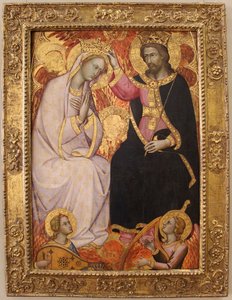
andrea di bartolo
1365 - 1428 , Italy
Основные сведения
- Artistic Movement Or Style: Late Gothic/Early Renaissance
- Artists Or Movements Influenced By This Artist: ["Nardo's style"]
- Artists Who Influenced This Artist:
- Orcagna
- Paolo Veneziano
- Giottino
- Date Of Birth: ca. 1320
- Date Of Death: ca. 1365
- Full Name: Nardo di Cione
- Nationality: Italian
- Notable Artworks:
- Strozzi Chapel frescoes
- Standing Madonna
- St John the Baptist
- Place Of Birth: Firenze, Italy
Похожие статьи
Simone Martini: Innovation, Spirituality & Courtly Refinement in Sienese Painting
Explore the captivating world of Simone Martini, a pivotal figure in Sienese painting & the International Gothic style. Discover his innovative techniques, spiritual depth, and lasting influence on early Renaissance art.
The Hague School: Realism, Atmosphere & the Dawn of Dutch Impressionism
Explore the Hague School's pivotal role in Dutch art history. Discover realism, atmospheric landscapes & its influence on Impressionism. Learn about key artists like Mauve & Maris with ArtsDot.
Sacred Narratives on Canvas: Exploring Religious Painting Through History
Explore the rich history of religious painting with ArtsDot.com! Discover iconic artworks, symbolism & techniques from antiquity to the Renaissance. Enhance your art appreciation today.
Sacred Narratives Embodied: A Comprehensive Exploration of Religious Iconography in Art History
Explore the rich history of religious iconography in art! Discover symbolism, movements & masterpieces from Byzantine to Renaissance periods. Expert insights for collectors and enthusiasts at ArtsDot.
Illuminating Eternity: A Comprehensive Exploration of Byzantine Art's Legacy
Explore the rich history & stunning artistry of the Byzantine Empire! Discover iconic mosaics, profound symbolism, and lasting influence on Western art. A comprehensive guide for history lovers.