 Предпросмотр
 Поделиться
 Поделиться
 Детали произведения

 Скачать
 Похожие работы
 Рентгенография
 Слайд-шоу
 Статистика
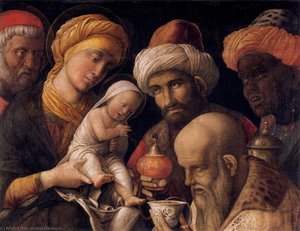
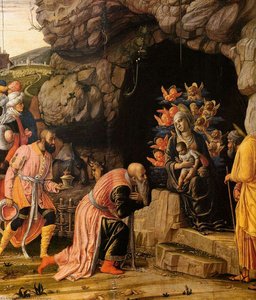
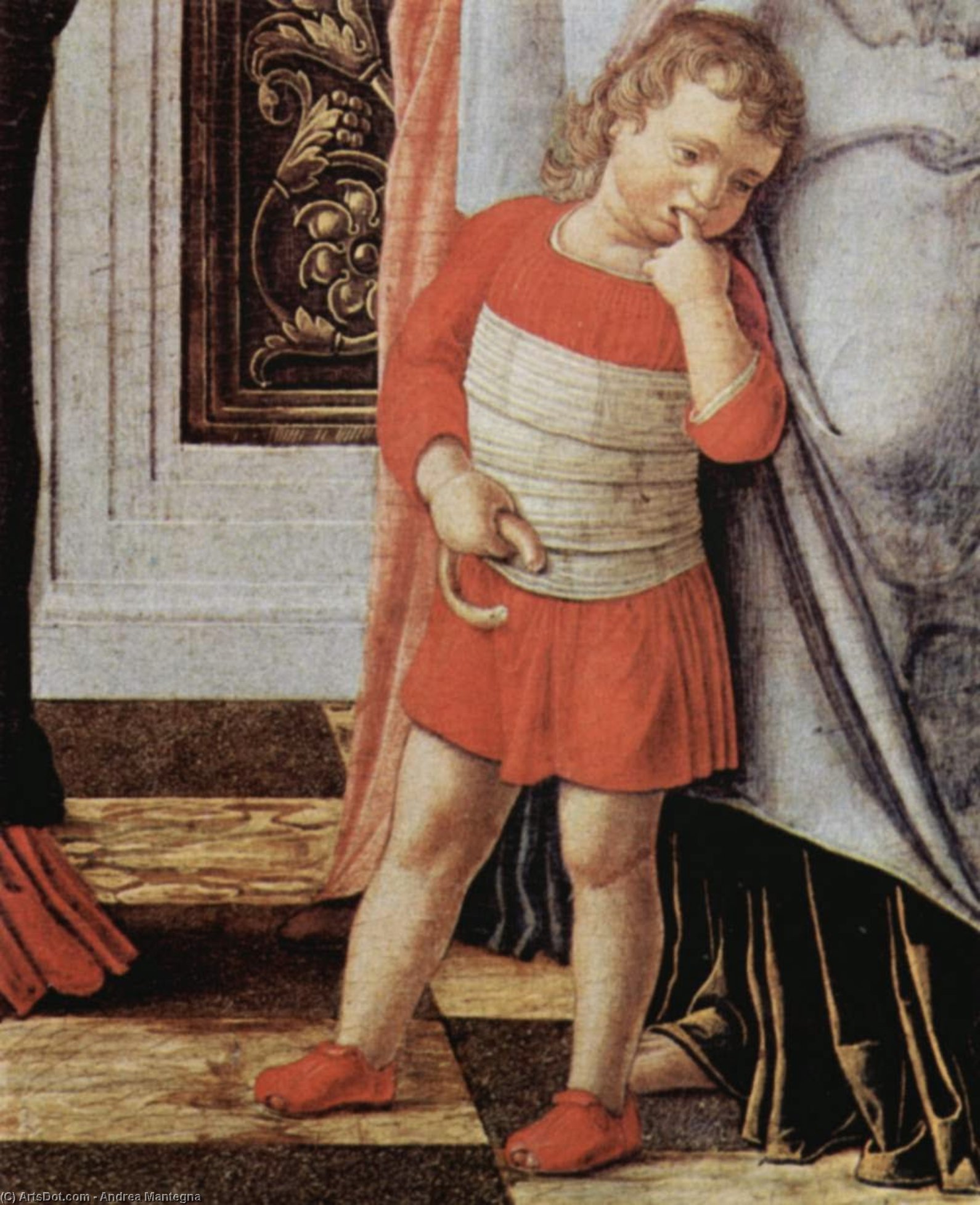
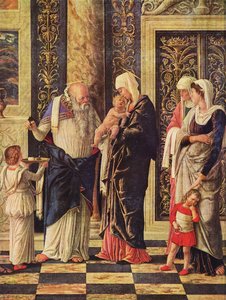
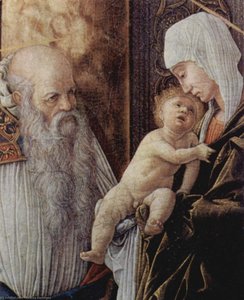
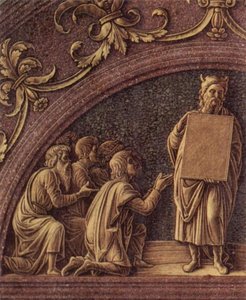
Обрезание Иисуса, деталь


 Читать далее
Масляная репродукция ручной работы
Картина маслом на холсте в выбранном вами размере и раме, написанная на заказ нашими художниками. ( Перейти к печати Перейти к цифровым изображениям)




P118B $10

P118H $10

P118W $10

P438Z $10

P508JH $12

P508YH $12

P805H $10

P805Z $10

P919BZ $10

P919G $10

P919XJ $10

P959ZH $10

P968JZ $12

W106C $8

W218G $10

W218JH $8

W218Y $10

W307PJ $10

W316G $10

W316PJ $8

W316Y $10

W398PJ $8

W4111J $10

W500HY $15

W500JH $15

W692G $12

W849H $8

W940BG $15

W953PJ $8




Выберите один из наших стандартных размеров, соответствующих оригинальным пропорциям произведения искусства.

Вы можете указать собственные размеры, чтобы картина идеально вписалась в выбранную раму или пространство. Если выбранный вами размер не соответствует пропорциям оригинала, мы либо обрежем полотно, либо расширим его за счет дополнительных элементов, написанных вручную. Цифровой макет будет отправлен вам на утверждение перед началом производства.
Обратите внимание, что предварительный просмотр на экране не отражает фактическую обрезку или расширение. Только макет точно покажет окончательную композицию.
Хотя доступны индивидуальные размеры, мы рекомендуем выбирать вариант из предопределенного списка, чтобы сохранить исходные пропорции.
После оформления заказа команда ArtsDot.com свяжется с клиентом по электронной почте для уточнения деталей и предоставит предварительный макет
Доставка по всему миру () за 3–4 недели вместо стандартных 5 недель. (10 Сентябрь). Без компромиссов в качестве.

Бесплатная экспресс-доставка по всему миру

Высококачественный льняной холст

Полное страхование доставки

Гарантия возмещения таможенных пошлин

Гарантия точного соответствия цветов

100-дневная политика возврата (только при обнаружении дефектов)

Гарантия возврата 100% средств

Предложение оптовых скидок
 Вариант со стеклом доступен только для размеров менее 110 см

Обрезание Иисуса, деталь
Техника репродукции
Размер репродукции
-


Итоговая стоимость
$ 263
Обрезание Иисуса, фрагмент — сияющий шедевр Ренессанса
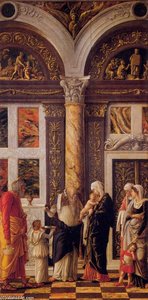
Картина Андреа Мантеньи «Обрезание Иисуса», хранящаяся в прославленной галерее Уффици во Флоренции, является краеугольным камнем искусства Возрождения — свидетельством тщательного наблюдения и глубокого художественного видения. Написанный в 1461 году, этот шедевр темперы выходит за рамки простого изображения; он воплощает дух античности, возрожденный через принципы гуманизма и виртуозное исполнение.
- Сюжет: Полотно запечатлело поворотный момент христианского Писания — обрезание Иисуса Христа через восемь дней после его рождения. Это событие имеет огромное теологическое значение в иудаизме и христианстве, символизируя очищение и обновление завета.
- Стиль и техника: Подход Мантеньи отличает его от многих современников. Он отказался от идеализированной красоты в пользу скульптурного реализма, опираясь на римские архитектурные модели и пластические техники. Использование темперы — известной своей светоносностью и долговечностью — позволило достичь беспрецедентной детализации и тональной тонкости, с поразительной точностью передавая торжественную атмосферу сцены.
- Композиция и фигуры: В самом сердце произведения находится сам Иисус, расположенный в центре тщательно выстроенной мизансцены. Его окружают фигуры, прописанные с кропотливой точностью — Иосиф, Мария и священники, — излучающие ауру благоговения и благочестия. Примечательно, что в верхнем левом углу изображена собака, что привносит в композицию нотку реализма и тонко отсылает к ветхозаветному символизму верности и божественного провидения.
- Исторический контекст: Флоренция времен Мантеньи переживала всплеск художественных инноваций, подпитываемый покровительством влиятельных семей, таких как Палаццо Антинори. Само строительство Палаццо Антинори служило эмблемой флорентийских амбиций и культурного престижа, отражая более широкое увлечение эпохи Возрождения классическими идеалами.
- Символизм и эмоциональное воздействие: Помимо визуального великолепия, «Обрезание» глубоко резонирует с духовным созерцанием. Сдержанная палитра, в которой преобладают землистые тона, усиливает торжественное настроение, отражая серьезность религиозного повествования. Мастерское использование перспективы Мантней создает эффект погружения, перенося зрителя в те времена, когда искусство служило проводником для передачи глубоких теологических истин.
Для тех, кто стремится оценить это культовое произведение во всей его полноте, ArtsDot.com предлагает исключительные репродукции, созданные с тщательным вниманием к деталям. Эти масляные картины ручной работы достоверно воссоздают художественное наследие Мантеньи, позволяя коллекционерам и ценителям прикоснуться к красоте и интеллектуальной глубине искусства Ренессанса.
Откройте для себя фрагмент картины «Обрезние Иисуса» на ArtsDot.com и погрузитесь в художественный гений Андреа Мантеньи!
Похожие произведения

Биография художника
A Renaissance Forged in Antiquity: The Life and Art of Andrea Mantegna
Andrea Mantegna, born near Padua around 1431, stands as a pivotal figure bridging the Early and High Renaissances. His artistic journey wasn’t merely about adopting classical forms; it was an immersive excavation of antiquity, a passionate attempt to resurrect the spirit of Rome within the burgeoning Italian Renaissance. Unlike many contemporaries who drew inspiration from classical models, Mantegna possessed a unique fervor for archaeological accuracy. This obsession stemmed from his formative years under Francesco Squarcione, a painter and collector whose workshop functioned less as a traditional studio and more as an academy dedicated to the study of Roman ruins, sculptures, and inscriptions. It was within these walls, surrounded by fragments of a lost empire, that Mantegna’s artistic vision began to take shape—a vision characterized by sculptural forms, dramatic perspective, and an almost obsessive attention to detail. His early life remains somewhat shrouded in mystery; accounts suggest he was discovered as a promising apprentice, his innate talent recognized and nurtured by Squarcione despite humble origins. This unconventional beginning perhaps fueled Mantegna’s relentless pursuit of artistic mastery and his determination to forge a style distinctly his own.The Gonzaga Court and the Illusion of Reality
Mantegna's career truly blossomed when he entered the service of the Gonzaga family in Mantua, becoming court painter in 1488. This patronage provided him with an unprecedented level of artistic freedom and a platform to realize his most ambitious projects. The Gonzaga’s were not simply patrons; they were collaborators, commissioning works that pushed the boundaries of artistic innovation. It was during this period that Mantegna created what is arguably his masterpiece: the *Camera degli Sposi* (Bridal Chamber) frescoes in the Palazzo Ducale. This groundbreaking work transcends mere decoration; it's a complete illusionistic environment, seamlessly integrating architecture and painting to create an extended sense of space. The frescoes depict scenes from the life of the Gonzaga family—intimate portraits of the ruling dynasty alongside allegorical representations of their power and lineage—and a breathtaking *di sotto in sù* (seen from below) ceiling panel that creates the illusion of an open sky, filled with mythological figures and celestial bodies. This masterful manipulation of perspective wasn’t simply about technical skill; it was about creating a world within a room, blurring the lines between reality and representation. The *Camera degli Sposi* is more than just a painting; it's a meticulously crafted stage for the Gonzaga family’s self-image, reflecting their ambition and their connection to the legacy of Rome. Beyond the *Camera degli Sposi*, Mantegna continued to produce works of exceptional quality for the Gonzaga court, including the monumental series *Triumphs of Caesar*. These paintings, inspired by Roman triumphal processions, are not merely historical depictions; they are elaborate allegories celebrating the power and prestige of the Gonzaga family, presented with a grandeur that rivals the imperial ambitions of ancient Rome.A Master of Perspective and Anatomical Precision
Mantegna’s artistic innovations extended far beyond illusionistic environments. He was a pioneer in the use of perspective, often employing techniques that went against conventional methods to achieve dramatic effects. Frequently, he adjusted the horizon line, creating a sense of monumentality and imposing scale. This technique, coupled with his meticulous attention to anatomical detail, gave his figures an unparalleled sense of weight and presence. He wasn’t content with simply representing the human form; he dissected it, studied its musculature, and rendered it with a precision that was revolutionary for his time. His mastery of *trompe-l'oeil* – creating illusions so convincing they deceive the eye – further enhanced this effect, blurring the boundaries between painting and reality. This dedication to anatomical accuracy wasn’t merely an exercise in technical skill; it reflected Mantegna’s deep engagement with classical sculpture and his desire to emulate the idealized forms of antiquity. He sought not just to depict the human body but to capture its inherent dignity and power. His influence on subsequent generations of artists, including Raphael and Michelangelo, is undeniable, as they built upon his foundations in perspective, anatomy, and composition.Influences and Legacy
Mantegna’s artistic vision was profoundly shaped by several key influences. His early training under Francesco Squarcione instilled in him a deep appreciation for Roman antiquity, fostering a fascination with archaeological discoveries and the study of classical art. The Bellini family—his father-in-law and uncle—also played a significant role, introducing him to Venetian artistic traditions and techniques. However, Mantegna’s style was uniquely his own, blending these influences into a distinctive synthesis that combined the rigor of classical antiquity with the emotional intensity of the Renaissance. His work served as a bridge between the Early and High Renaissances, demonstrating both the meticulous detail of the former and the dynamic energy of the latter. Mantegna's legacy extends far beyond his individual works; he helped to establish a new standard for artistic realism and illusionism, influencing generations of artists who followed. His exploration of classical themes helped revive interest in ancient art and culture, paving the way for the artistic achievements of the High Renaissance. He died in Mantua in 1506, leaving behind a body of work that continues to captivate and inspire viewers today. His paintings are housed in major museums around the world, serving as enduring testaments to his genius and his pivotal role in the history of art.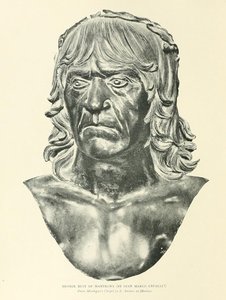
Андреа Мантенья
1431 - 1506 , Италия
Основные сведения
- Artistic Movement Or Style: Раннее Возрождение
- Artists Or Movements Influenced By This Artist:
- Рафаэль
- Микеланджело
- Artists Who Influenced This Artist:
- Донателло
- Якопо Беллуни
- Date Of Birth: 1431
- Date Of Death: 1506
- Full Name: Андреа Мантegna
- Nationality: Итальянский
- Notable Artworks:
- Камера знатных степеней
- Триумфы Цезаря
- Place Of Birth: Падуя, Италия
Похожие статьи

25 Шедевров Уффици: Путешествие в Сердце Ренессанса | ArtsDot
Погрузитесь в мир Ренессанса с 25 шедеврами галереи Уффици! От Боттичелли до Леонардо да Винчи – истории, техники и вдохновение для вашего интерьера. Купите репродукции картин высочайшего качества на ArtsDot.com.
Johan Christian Dahl: Pioneering Norwegian Romantic Landscape Painting
Explore the life & art of Johan Christian Dahl, Norway's first great Romantic painter. Discover his iconic landscapes, cultural impact, and lasting legacy with ArtsDot.
The Dawn of a New Vision: Exploring the Artistic Innovations of the Early Renaissance
Explore the groundbreaking innovations of the Early Renaissance! Discover the art, history, and humanist ideals that shaped a new era in painting, sculpture & architecture. Learn about Masaccio, Florence, and more.
Christian Krohg: A Pioneer of Norwegian Realism & Psychological Portraiture
Explore the life & work of Christian Krohg, a pivotal figure in Norwegian realism. Discover his social commentary, Skagen influences, and lasting impact on Scandinavian art history. Learn more at ArtsDot.

Фра Анджелико: Топ-25 шедевров эпохи Возрождения для вашего интерьера
Погрузитесь в мир Фра Анджелико! Топ-25 шедевров Возрождения – религиозные фрески, алтари и картины с ангелами. Узнайте историю искусства и вдохновитесь для декора дома. Репродукции картин высокого качества на ArtsDot.com.