 Предпросмотр
 Поделиться
 Поделиться
 Детали произведения

 Скачать
 Похожие работы
 Рентгенография
 Слайд-шоу
 Статистика
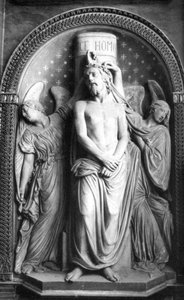
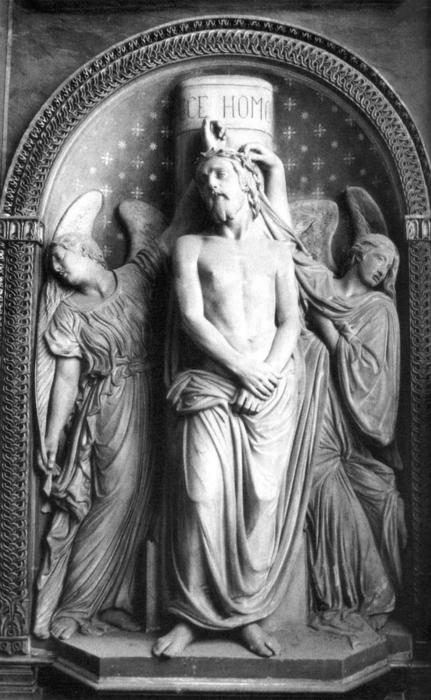
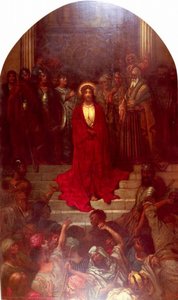
Эхце Гомо


 Читать далее
Масляная репродукция ручной работы
Картина маслом на холсте в выбранном вами размере и раме, написанная на заказ нашими художниками. ( Перейти к печати Перейти к цифровым изображениям)




P118B $10

P118H $10

P118W $10

P438Z $10

P508JH $12

P508YH $12

P805H $10

P805Z $10

P919BZ $10

P919G $10

P919XJ $10

P959ZH $10

P968JZ $12

W106C $8

W218G $10

W218JH $8

W218Y $10

W307PJ $10

W316G $10

W316PJ $8

W316Y $10

W398PJ $8

W4111J $10

W500HY $15

W500JH $15

W692G $12

W849H $8

W940BG $15

W953PJ $8




Выберите один из наших стандартных размеров, соответствующих оригинальным пропорциям произведения искусства.

Вы можете указать собственные размеры, чтобы картина идеально вписалась в выбранную раму или пространство. Если выбранный вами размер не соответствует пропорциям оригинала, мы либо обрежем полотно, либо расширим его за счет дополнительных элементов, написанных вручную. Цифровой макет будет отправлен вам на утверждение перед началом производства.
Обратите внимание, что предварительный просмотр на экране не отражает фактическую обрезку или расширение. Только макет точно покажет окончательную композицию.
Хотя доступны индивидуальные размеры, мы рекомендуем выбирать вариант из предопределенного списка, чтобы сохранить исходные пропорции.
После оформления заказа команда ArtsDot.com свяжется с клиентом по электронной почте для уточнения деталей и предоставит предварительный макет
Доставка по всему миру () за 3–4 недели вместо стандартных 5 недель. (11 Сентябрь). Без компромиссов в качестве.

Бесплатная экспресс-доставка по всему миру

Высококачественный льняной холст

Полное страхование доставки

Гарантия возмещения таможенных пошлин

Гарантия точного соответствия цветов

100-дневная политика возврата (только при обнаружении дефектов)

Гарантия возврата 100% средств

Предложение оптовых скидок
 Вариант со стеклом доступен только для размеров менее 110 см

Эхце Гомо
Техника репродукции
Размер репродукции
-


Итоговая стоимость
$ 263
Антоин Этех и Трансформация Неоклассической Искусства
Антоин Этех (1808-1888) занимает особое место в истории французского искусства XIX века – он был скульптором первого ряда, но также живописцем и архитектором. Его творчество отражает сложные изменения эпохи, от формальной строгости неоклассицизма к эмоциональному экспрессу романтизма. Этех не был революционером в художественном плане, а сумел гармонично объединить традиции с новым мировоззрением, что делает его работы ценным свидетельством времени и привлекает внимание как искусствоведов, так и коллекционеров.
Скульптура и Архитектурный Контекст: Эхце Гомо Этеса
Эхце Гомо (лат. «Взгляните на Мужа») – это мраморная скульптурная группа Антуана Этеса, созданная в 1856 году и посвященная сцене из Страстной Дороги Христа. Работа выполнена в технике высочайшего рельефа и демонстрирует мастерское использование классических форм и пропорций. Скульптура изображает Иисуса Христа с поднятыми руками, окруженным тремя ангелами в архитектурном обрамлении арки – элегантное решение Этеса, отражающее стремление к гармонии и величию.
Цветовая Палитра и Композиция: Символ Скорби и Благодати
Хотя изображение выполнено в черно-белом цвете, использование оттенков серого позволяет передать текстуру мрамора и создать драматический светотеневой эффект. Сильные линии скульптуры подчеркивают форму фигур и архитектурных элементов, создавая ощущение движения и динамики благодаря изящной развевающейся драпировке ангелов. Композиция группы является симметричной, что усиливает эмоциональное воздействие работы и придает ей торжественность.
Техника Рельефа и Исторический Контекст Эпохи Императора
Этес работал в эпоху Второй империи, когда были заказаны масштабные проекты для внутренней отделки церквей. Художникам удавалось получить больше свободы при украшении фасадов зданий, чем при оформлении интерьеров. Эхце Гомо является ярким примером этого периода и демонстрирует мастерство скульптора в использовании традиционных техник рельефа – это результат многолетнего опыта работы Этеса и глубокого понимания классической эстетики.
Интерес Публики и Мировая Одиссея: От Скульптуры к Интернет-Феномену
После неудачной попытки восстановления скульптуры в 2012 году внимание публики было привлечено к Эхце Гомо. Этот случай стал настоящим интернет-феноменом, сравниваемым с сюжетом фильма «Бин Раскрывается». История о скульптуре и ее реставраторе вдохновила художников и режиссеров создать фильмы и документальные проекты, которые привлекли внимание миллионов зрителей по всему миру. Эхце Гомо стал символом культурного диалога и отражением интереса к искусству и истории.
Похожие произведения

Биография художника
A Life Bridging Worlds: Antoine Étex and the French Artistic Transition
Antoine Étex, born in Paris in 1808 and passing away in Chaville in 1888, occupies a fascinating, if sometimes overlooked, position within the landscape of 19th-century French art. He was an artist of remarkable versatility—a sculptor first and foremost, but also a painter and architect—who embodied the shifting currents that moved France from the formality of Neoclassicism toward the emotional intensity of Romanticism. Étex’s career wasn't defined by radical innovation, but rather by a skillful synthesis of tradition and emerging sensibilities, making his work a compelling reflection of its era. His early aptitude for the arts led him to formal training in sculpture, a discipline that would remain central to his artistic identity throughout his life, instilling within him a meticulous technique and deep understanding of classical forms.Early Recognition and Monumental Commissions
Étex first presented his work to the public at the prestigious Paris Salon in 1833, immediately signaling his arrival as a talent to watch. Two pieces were exhibited that year: a marble reproduction of *Death of Hyacinthus* and a plaster cast titled *Cain and His Race Cursed by God*. These early works demonstrated not only technical proficiency but also an ability to imbue mythological narratives and biblical scenes with dramatic weight and emotional resonance. However, it was a commission from Adolphe Thiers, then Minister of Public Works, that truly propelled Étex into the forefront of French artistic life. He was entrusted with creating the sculptural groups of *Peace* and *War* intended to adorn the east facade of the Arc de Triomphe. Completed between 1833 and 1837, these monumental sculptures were more than just decorative elements; they were statements of national identity and civic virtue, and their successful execution cemented Étex’s reputation as a leading sculptor of his generation. The scale and ambition of this project established him as an artist capable of handling large-scale public works with both technical skill and artistic vision.A Diverse Oeuvre: Sculpture, Painting, and Architecture
While best known for the Arc de Triomphe sculptures, Étex’s creative output was remarkably diverse. His oeuvre encompassed a wide range of sculptural groups exploring mythological and religious themes, demonstrating his continued engagement with classical subject matter. Beyond sculpture, he also undertook architectural projects, designing tombs and monuments that showcased his understanding of spatial relationships and decorative detail. Perhaps surprisingly to some, Étex also produced paintings, such as *Eurydice* and *The Martyrdom of Saint Sebastian*, revealing a versatility across different media that speaks to the breadth of his artistic interests. His style is characterized by a compelling blend of Neoclassical precision—evident in the anatomical accuracy and careful modeling of his figures—and Romantic expressiveness, which manifests in the dramatic narratives and heightened emotionality of his compositions. He didn’t abandon classical forms entirely, but infused them with a new sense of dynamism and psychological depth.A Poignant Tribute: The Tomb of Théodore Géricault
Among Étex's most poignant achievements is the tomb he designed for fellow artist Théodore Géricault in Père Lachaise Cemetery. This memorial stands as a powerful testament to both artistic skill and personal respect. It features a bronze figure of Géricault himself, gazing thoughtfully into the distance, alongside a low-relief depiction of his controversial masterpiece, *The Raft of the Medusa*. The choice to include this specific work is particularly significant; it acknowledges Géricault’s bold departure from academic conventions and his unflinching portrayal of human suffering. Étex's tomb isn’t merely a marker of death but a celebration of artistic courage and a poignant dialogue between two generations of French artists. It demonstrates Étex’s ability to capture complex emotions and translate them into enduring sculptural form.Legacy and Historical Significance
Antoine Étex was not solely dedicated to the practical execution of art; he also engaged with its intellectual underpinnings, authoring essays on subjects related to artistic theory and practice. This demonstrates a thoughtful engagement with the broader artistic discourse of his time. While perhaps not as widely celebrated today as some of his contemporaries, Étex’s contributions remain vital for understanding the development of 19th-century French sculpture and art. His work reflects the transitional period between Neoclassicism and Romanticism, bridging the gap between classical tradition and modern expression. He influenced subsequent generations of sculptors who sought to combine technical mastery with emotional depth, leaving behind a legacy that continues to resonate within the history of French art. His influence can be seen in the continued exploration of narrative sculpture and the integration of dramatic storytelling into monumental public works.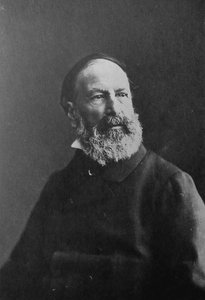
Antoine Étex
1808 - 1888 , France
Основные сведения
- Artistic Movement Or Style: Neoclassical, Romanticism
- Date Of Birth: March 20, 1808
- Date Of Death: July 14, 1888
- Full Name: Antoine Étex
- Nationality: French
- Notable Artworks:
- Peace
- War
- Géricault's Tomb
- Blanche de Castille
- Eurydice
- The Martyrdom of Saint Sebastian
- Place Of Birth: Paris, France
Похожие статьи
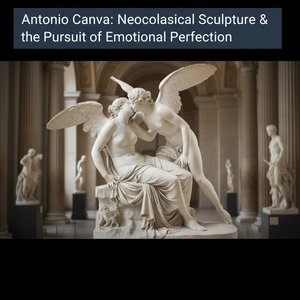
Antonio Canova: Neoclassical Sculpture & the Pursuit of Emotional Perfection
Explore the life & art of Antonio Canova, the greatest Neoclassical sculptor. Discover his masterpieces, innovative techniques, and lasting influence on fine art collecting. Expert insights for discerning investors.

The Enduring Form: Exploring Themes & Techniques in Sculpture Across Historical Periods
Explore the rich history of sculpture from ancient masterpieces to contemporary innovations. Discover key techniques, influential artists & investment potential for discerning art collectors.

10 легендарных бронзовых шедевров, изменивших искусство | ArtsDot
Погрузитесь в мир великих бронзовых шедевров! От Давида Донателло до Мыслителя Родена – узнайте историю создания, технику и значение легендарных скульптур. Вдохновение для интерьера и музейное качество репродукций на ArtsDot.com.

10 легендарных бронзовых скульптур, изменивших искусство навсегда | ArtsDot
Погрузитесь в мир великих бронзовых скульптур! От Давида Микеланджело до работ Родена – история искусства, техники и вдохновения. Купите репродукции шедевров для вашего интерьера на ArtsDot.com

The Enduring Form: Sculpture Across History, Technique & Emotional Resonance
Explore the rich history of sculpture with ArtsDot. Discover key techniques, influential artists & investment potential for discerning collectors. Expert insights into valuing and collecting timeless masterpieces.