 Предпросмотр
 Поделиться
 Поделиться
 Детали произведения

 Скачать
 Похожие работы
 Рентгенография
 Слайд-шоу
 Статистика
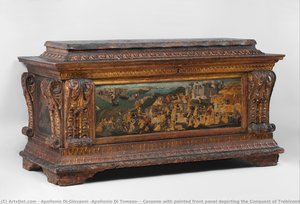
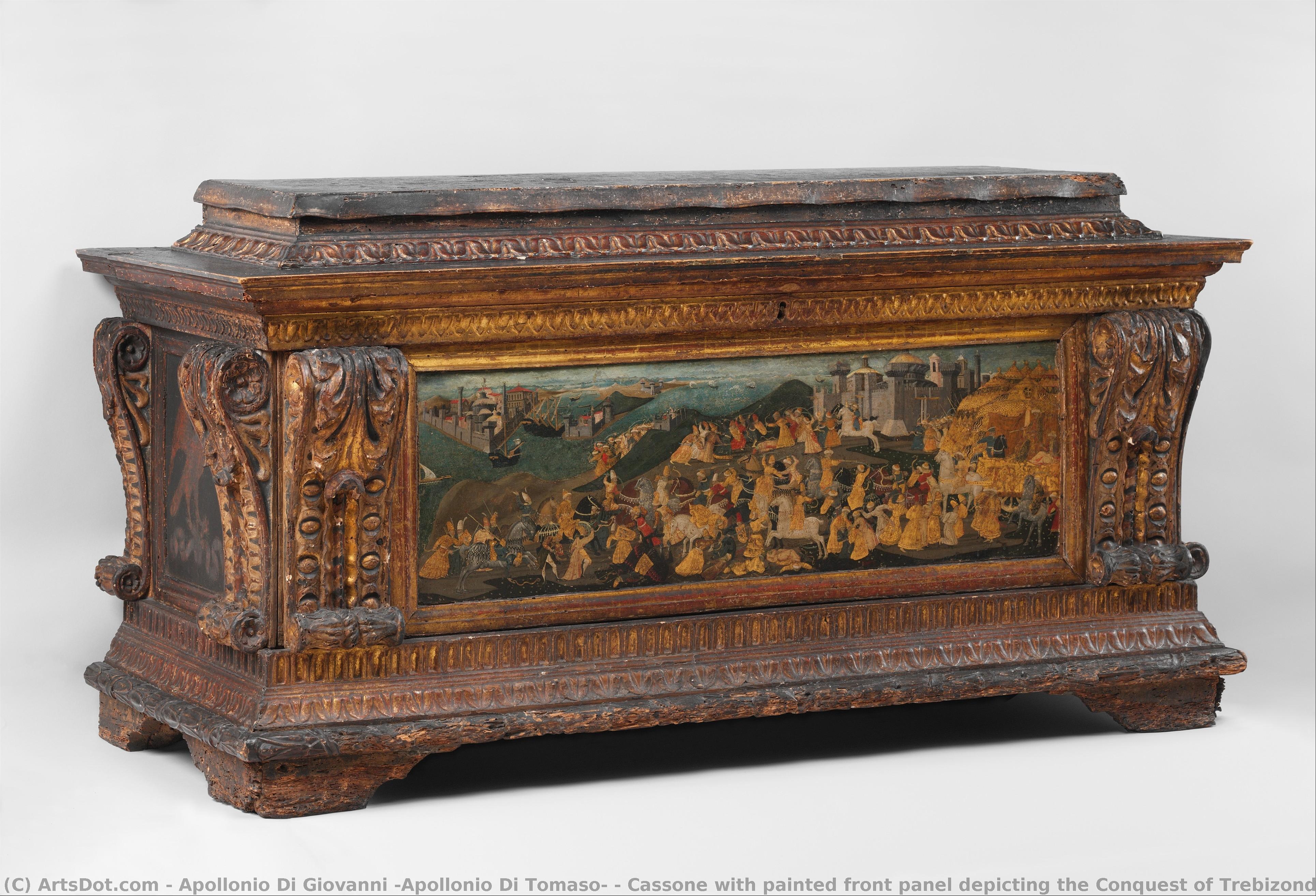
Кассоне с изображением завоевания Трабзона
 Живопись
- Renaissance Florentine Painting
 1461
1461 100.0 x 196.0 cm
 Музей Метрополитен
 Читать далее
Масляная репродукция ручной работы
Картина маслом на холсте в выбранном вами размере и раме, написанная на заказ нашими художниками. ( Перейти к печати Перейти к цифровым изображениям)




P118B $10

P118H $10

P118W $10

P438Z $10

P508JH $12

P508YH $12

P805H $10

P805Z $10

P919BZ $10

P919G $10

P919XJ $10

P959ZH $10

P968JZ $12

W106C $8

W218G $10

W218JH $8

W218Y $10

W307PJ $10

W316G $10

W316PJ $8

W316Y $10

W398PJ $8

W4111J $10

W500HY $15

W500JH $15

W692G $12

W849H $8

W940BG $15

W953PJ $8




Выберите один из наших стандартных размеров, соответствующих оригинальным пропорциям произведения искусства.

Вы можете указать собственные размеры, чтобы картина идеально вписалась в выбранную раму или пространство. Если выбранный вами размер не соответствует пропорциям оригинала, мы либо обрежем полотно, либо расширим его за счет дополнительных элементов, написанных вручную. Цифровой макет будет отправлен вам на утверждение перед началом производства.
Обратите внимание, что предварительный просмотр на экране не отражает фактическую обрезку или расширение. Только макет точно покажет окончательную композицию.
Хотя доступны индивидуальные размеры, мы рекомендуем выбирать вариант из предопределенного списка, чтобы сохранить исходные пропорции.
После оформления заказа команда ArtsDot.com свяжется с клиентом по электронной почте для уточнения деталей и предоставит предварительный макет
Доставка по всему миру () за 3–4 недели вместо стандартных 5 недель. (12 Сентябрь). Без компромиссов в качестве.

Бесплатная экспресс-доставка по всему миру

Высококачественный льняной холст

Полное страхование доставки

Гарантия возмещения таможенных пошлин

Гарантия точного соответствия цветов

100-дневная политика возврата (только при обнаружении дефектов)

Гарантия возврата 100% средств

Предложение оптовых скидок
 Вариант со стеклом доступен только для размеров менее 110 см

Кассоне с изображением завоевания Трабзона
Техника репродукции
Размер репродукции
-


Итоговая стоимость
$ 263
Кассоне с изображением завоевания Требизонда
Этот великолепный кассоне из середины XV века представляет собой уникальный памятник искусства эпохи Возрождения и является одним из немногих сохранившихся объектов своего времени, изображающих историческое событие – завоевание Требизонда войсками Мехмеда II в 1461 году. Его история начинается с приобретения в 1913 году флорентийским антикваром Стефано Бардини и продолжает вдохновлять искусствоведов и коллекционеров по сей день. Подробное техническое исследование, проведенное в 2008 году, поставило под сомнение первоначальную версию происхождения кассоне из дворца Строцци и показало, что его связь со семьей Строцзи не имеет существенного значения для интерпретации сцены на живописной передней панели. Этот факт подчеркивает значимость работы мастера Аполлония ди Джованни и Марко дель Буоно – наиболее выдающегося флорентийского мастерской по изготовлению расписанных кассонов в эпоху Возрождения.- Сюжет: Кассоне изображает битву между войсками Османской империи и городом Требизонда, последним оплотом Византийской империи. Использование исторической темы было необычным для того времени и отражало стремление художников передать важные события своей эпохи.
- Стиль: Кассоне относится к стилю позднего Возрождения и демонстрирует влияние итальянского искусства того периода. Характерными чертами стиля являются использование ярких цветов, детализированное изображение архитектурных элементов и человеческих фигур, а также стремление к реалистичному изображению пространства.
- Техника: Живопись выполнена темперарой и золотом на дереве из липы и холста. Использование техники живописи темперарой было распространенным методом в эпоху Возрождения и позволяло добиться высокой детализации изображения и насыщенных цветов. Кроме того, использование золота подчеркивает статус кассоне как произведения искусства высшего уровня и добавляет ему роскошь и элегантность.
- Символизм: Кассоне содержит множество символов, которые отражают религиозные и политические идеи эпохи Возрождения. Например, изображение хищной совы на крыше кассоне является символом защиты и мудрости, а бандероль с надписью MEZZE указывает на использование другого эмблема семьи Строцзи – полумесяца.
- Эмоциональное воздействие: Кассоне вызывает ощущение величия и торжественности благодаря масштабности изображения и использованию богатой цветовой палитры. Он рассказывает историю о борьбе за власть и сохранение культурной идентичности и является свидетельством мастерства художников эпохи Возрождения.
Похожие произведения
Биография художника
A Florentine Master of Narrative: Apollonio di Giovanni
Apollonio di Giovanni di Tomaso, born in Florence around 1415-1417 and passing away in 1465, stands as a compelling figure within the Early Renaissance. While perhaps not possessing the household name recognition of contemporaries like Donatello or Masaccio, Apollonio carved out a significant niche for himself as a highly sought-after painter and illuminator, particularly celebrated for his exquisitely decorated *cassoni* – wedding chests that served as both functional objects and vibrant expressions of Florentine life and ideals. His workshop was arguably the most prolific and fashionable in Florence during its active years, producing over 300 cassoni between 1446 and 1465 alone, a testament to the demand for his artistry. He wasn’t merely replicating designs; he was crafting narratives, capturing contemporary fashions, and reflecting the burgeoning humanist spirit of the era.Early Life and Workshop Practice
Details regarding Apollonio's early training remain somewhat elusive, but it is known that he joined Florence’s doctors and apothecaries’ guild in 1442 – a common practice for artists at the time – before becoming a full member of the painters’ guild, the Compania di San Luca, in 1443. His most enduring professional relationship began around 1446 with Marco del Buono Giamberti. This partnership proved remarkably successful; together they established a workshop that dominated the cassone market for nearly two decades. The division of labor within the workshop is still debated by scholars, but it’s generally accepted that Apollonio was primarily responsible for the figurative painting, while Del Buono oversaw other aspects of production and potentially contributed to designs. The sheer volume of work emanating from their studio suggests a highly organized system involving numerous assistants and craftsmen, allowing them to cater to a diverse clientele with varying tastes and budgets.Themes and Techniques: A Renaissance Mirror
Apollonio’s cassoni are not simply decorative; they offer invaluable insights into the cultural preoccupations of 15th-century Florence. He frequently depicted scenes drawn from classical mythology – tales of Troy, stories of heroic deeds, and allegorical representations of love and virtue. However, what sets Apollonio apart is his masterful integration of contemporary elements. His figures are adorned in the latest Florentine fashions, architectural backgrounds reflect the city’s evolving urban landscape, and details often allude to specific events or patrons. His technique is characterized by a delicate touch, vibrant color palettes, and an emphasis on graceful forms. He skillfully employed tempera paint on wood panels, achieving a luminous quality that enhanced the narrative clarity of his compositions. The influence of painters like Marco del Buono Giamberti is evident in Apollonio’s work, particularly in the refined draftsmanship and attention to detail. He also demonstrated considerable skill as an illuminator, producing beautifully rendered manuscripts that showcase his mastery of line and color.Major Achievements and Lasting Legacy
While numerous cassoni attributed to Apollonio survive, several works stand out as particularly representative of his artistic prowess. The *Cassone with painted front panel depicting the Conquest of Trebizond* (1416) is a prime example of his ability to depict contemporary historical events with both accuracy and artistry. The chest commemorates a significant military victory for Florence, transforming a political event into a visually compelling narrative. Other notable works include panels illustrating scenes from Petrarch’s *Triumphs*, showcasing his engagement with humanist literature. Perhaps most intriguing is Apollonio's connection to the earliest surviving tarot decks. He and Del Buono are now credited with creating what is known as the “Estensi” deck, a masterpiece of illuminated playing cards that offers a fascinating glimpse into Renaissance symbolism and iconography. Apollonio di Giovanni’s legacy lies not in groundbreaking innovation but in his exceptional skill at synthesizing existing artistic traditions and adapting them to meet the demands of a sophisticated clientele. He was a master craftsman who captured the spirit of his age, leaving behind a body of work that continues to captivate and inform our understanding of Renaissance Florence.Historical Significance
Apollonio di Giovanni’s importance extends beyond the aesthetic qualities of his paintings. His cassoni provide invaluable documentation of Florentine material culture – clothing styles, furniture design, architectural trends – offering a unique window into daily life during the 15th century. His workshop's success also highlights the growing commercialization of art and the increasing importance of patronage in Renaissance society. The demand for his work demonstrates the rising affluence of Florence’s merchant class and their desire to express their status through luxurious possessions. Furthermore, his involvement with the creation of the Estensi tarot deck adds another layer of intrigue to his biography, suggesting a broader intellectual curiosity and engagement with esoteric traditions. While often overshadowed by more celebrated artists, Apollonio di Giovanni remains a crucial figure in understanding the artistic landscape of Early Renaissance Florence – a testament to the power of narrative, craftsmanship, and the enduring appeal of beauty.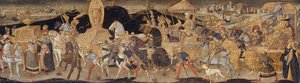
apollonio di giovanni (apollonio di tomaso)
1416 - 1465 , Italy
Основные сведения
- Artistic Movement Or Style: Renaissance Sculpture
- Date Of Birth: Florence, Italy (1416)
- Date Of Death: 1465
- Full Name: Apollonio di Giovanni di Tommaso
- Nationality: Italian
- Notable Artworks: ['Cassone with painted front panel depicting the Conquest of Trebizond']
- Place Of Birth: Florence
Похожие статьи

25 Шедевров Уффици: Путешествие в Сердце Ренессанса | ArtsDot
Погрузитесь в мир Ренессанса с 25 шедеврами галереи Уффици! От Боттичелли до Леонардо да Винчи – истории, техники и вдохновение для вашего интерьера. Купите репродукции картин высочайшего качества на ArtsDot.com.
High Medieval Art: 10 Masterpieces That Shaped an Era | ArtsDot
Journey through High Medieval Art! Explore 10 iconic masterpieces – from Giotto's frescoes to stunning Gothic cathedrals. Discover the stories behind these timeless paintings, sculptures & illuminated manuscripts. Find museum-quality art reproductions at ArtsDot.com.
Illuminating Faith & Power: A Journey Through Medieval Art (c. 500 – c. 1500)
Explore the rich history of Medieval Art (c. 500 – c. 1500) with ArtsDot. Discover Byzantine mosaics, Gothic cathedrals & Renaissance masterpieces. Expert insights & museum-quality reproductions.

Late Medieval Masterpieces: 10 Artworks That Defined an Era | ArtsDot
Journey through 10 defining Late Medieval masterpieces – from Giotto's frescoes to Jan van Eyck’s realism. Explore the stories, techniques & vibrant colors of Gothic art. Find museum-quality reproductions and elevate your home decor with ArtsDot.com! Discover all masterpieces on ArtsDot.com
Illuminating Eternity: A Comprehensive Exploration of Byzantine Art's Legacy
Explore the rich history & stunning artistry of the Byzantine Empire! Discover iconic mosaics, profound symbolism, and lasting influence on Western art. A comprehensive guide for history lovers.