 Предпросмотр
 Поделиться
 Поделиться
 Детали произведения

 Скачать
 Похожие работы
 Рентгенография
 Слайд-шоу
 Статистика
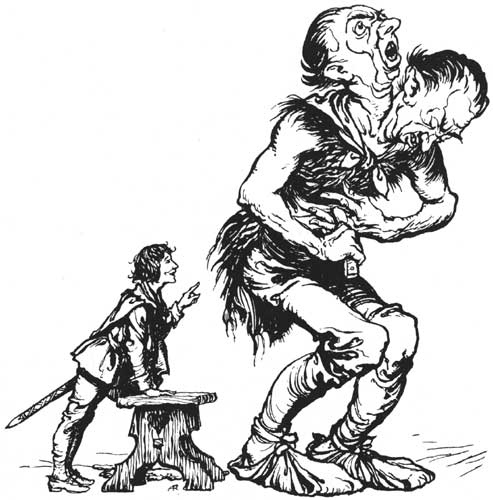
Джек и Гигант (4)

 Читать далее
Масляная репродукция ручной работы
Картина маслом на холсте в выбранном вами размере и раме, написанная на заказ нашими художниками. ( Перейти к печати Перейти к цифровым изображениям)




P118B $10

P118H $10

P118W $10

P438Z $10

P508JH $12

P508YH $12

P805H $10

P805Z $10

P919BZ $10

P919G $10

P919XJ $10

P959ZH $10

P968JZ $12

W106C $8

W218G $10

W218JH $8

W218Y $10

W307PJ $10

W316G $10

W316PJ $8

W316Y $10

W398PJ $8

W4111J $10

W500HY $15

W500JH $15

W692G $12

W849H $8

W940BG $15

W953PJ $8




Выберите один из наших стандартных размеров, соответствующих оригинальным пропорциям произведения искусства.

Вы можете указать собственные размеры, чтобы картина идеально вписалась в выбранную раму или пространство. Если выбранный вами размер не соответствует пропорциям оригинала, мы либо обрежем полотно, либо расширим его за счет дополнительных элементов, написанных вручную. Цифровой макет будет отправлен вам на утверждение перед началом производства.
Обратите внимание, что предварительный просмотр на экране не отражает фактическую обрезку или расширение. Только макет точно покажет окончательную композицию.
Хотя доступны индивидуальные размеры, мы рекомендуем выбирать вариант из предопределенного списка, чтобы сохранить исходные пропорции.
После оформления заказа команда ArtsDot.com свяжется с клиентом по электронной почте для уточнения деталей и предоставит предварительный макет
Доставка по всему миру () за 3–4 недели вместо стандартных 5 недель. (12 Сентябрь). Без компромиссов в качестве.

Бесплатная экспресс-доставка по всему миру

Высококачественный льняной холст

Полное страхование доставки

Гарантия возмещения таможенных пошлин

Гарантия точного соответствия цветов

100-дневная политика возврата (только при обнаружении дефектов)

Гарантия возврата 100% средств

Предложение оптовых скидок
 Вариант со стеклом доступен только для размеров менее 110 см

Джек и Гигант (4)
Техника репродукции
Размер репродукции
-


Итоговая стоимость
$ 288
Jack the Giant-Killer 4: A Gothic Tale Illuminated
Arthur Rackham’s “Jack the Giant-Killer 4” isn't merely an illustration; it’s a distillation of Victorian gothic fantasy, rendered with breathtaking precision and imbued with a palpable sense of unease. Published in 1906 as part of his celebrated adaptation of Peter Pan, this piece exemplifies Rackham’s unparalleled ability to transform folklore into hauntingly beautiful visual narratives. The artwork captures the pivotal moment when Jack confronts the colossal giant, a confrontation fraught with peril yet underpinned by an unwavering determination.Composition and Technique: Mastering Scale and Shadow
Rackham's masterful compositional choices immediately establish dominance. A diagonal line bisects the canvas, guiding the viewer’s gaze from Jack’s diminutive stature atop his wooden stool – symbolizing vulnerability – to the overwhelming presence of the giant. This deliberate imbalance isn’t accidental; it underscores the thematic core: a lone hero battling insurmountable odds. Rackham achieves this dramatic effect through meticulous linework and hatching techniques. Thick, bold lines delineate the giant's form, conveying immense power and solidity, while finer lines meticulously capture details in Jack’s clothing and facial expression. Hatching creates nuanced shading, simulating texture – particularly evident in the rough surface of the stool and the tangled hair of both figures – deepening the scene’s atmosphere and enhancing its visual impact. The artist skillfully employs tonal variation to heighten suspense and convey a sense of impending doom.Symbolism: Courage Amidst Darkness
The artwork resonates deeply with Victorian anxieties surrounding mortality and the supernatural. Jack's unwavering gaze embodies courage—a refusal to succumb to fear—facing a monstrous adversary representing primal terror. The giant, depicted with exaggerated features – colossal eyes and a menacing beard – embodies evil incarnate, reflecting the gothic tradition’s fascination with grotesque imagery. Furthermore, the muted color palette—primarily shades of black and white—amplifies the dramatic mood. It eschews vibrant hues in favor of tonal variation, mirroring the bleak landscapes often found in gothic literature and emphasizing the psychological tension inherent in the confrontation. Rackham's deliberate use of monochrome reinforces the narrative’s core message: confronting darkness requires unwavering resolve.Historical Context: Rackham's Gothic Vision
Rackham’s “Jack the Giant-Killer” aligns perfectly with the broader artistic movement of its time—the Golden Age of Illustration. Influenced by Romanticism and Symbolism, illustrators sought to evoke emotion and explore psychological complexities rather than simply depicting narratives faithfully. Rackham’s work distinguishes itself through a blend of realism and fantasy, capturing the spirit of Victorian storytelling while simultaneously tapping into universal themes of heroism and overcoming adversity. His meticulous attention to detail—evident in every strand of hair and crease of clothing—reflects a commitment to artistic excellence that cemented his legacy as one of Britain's greatest illustrators. The piece stands as a testament to Rackham’s ability to translate literary imagination into stunning visual form, mirroring the stylistic trends prevalent during its creation.Emotional Resonance: A Moment Frozen in Time
Ultimately, “Jack the Giant-Killer 4” succeeds in transporting viewers back to a bygone era, capturing not just a fairytale tale but also the anxieties and aspirations of Victorian society. Rackham’s evocative linework and masterful shading create an immersive experience—one that lingers long after viewing, prompting contemplation on themes of bravery, resilience, and the enduring power of imagination. It remains a testament to Rackham's artistic genius and his ability to transform literature into unforgettable visual art.Похожие произведения
Биография художника
A Luminary of the Golden Age: The Life and Art of Arthur Rackham
Arthur Rackham, a name inextricably linked to the enchanting world of British book illustration, emerged during a period often lauded as its “Golden Age.” Born in 1867 in Lewisham, Kent, amidst a bustling family of twelve children, his early life offered subtle hints at the artistic destiny that awaited him. A journey to Australia at seventeen, undertaken for health reasons alongside two aunts, proved profoundly formative, sparking an exploration that would ultimately define his career and establish his unique style. Initially destined for a more conventional path – clerking at the Westminster Fire Office – Rackham’s unwavering passion for art led him to evening studies at the Lambeth School of Art, a pivotal decision that irrevocably charted his course toward becoming one of the most beloved illustrators of all time. His beginnings were modest, initially contributing illustrations and reporting for the *Westminster Budget*, but it was his relentless dedication to honing his craft that ultimately distinguished him from his contemporaries.The Blossoming of a Unique Style
Rackham’s artistic voice wasn't immediately defined; rather, it evolved organically through diligent practice and exposure to diverse influences. Early commissions, such as those for Anthony Hope’s *The Dolly Dialogues* in 1894, provided invaluable experience, laying the groundwork for his distinctive style. However, it was the turn of the century that witnessed the full flowering of his signature aesthetic – a robust blend of intricate pen-and-ink drawings imbued with whimsical fantasy and subtly enhanced by washes of watercolor. This innovative technique, born from his journalistic background, allowed him to capture both remarkable detail *and* an atmosphere of profound depth and emotion. His illustrations weren’t merely decorative elements accompanying text; they were integral interpretations, breathing new life into classic tales and transforming them into immersive experiences for the reader. Works such as *The Ingoldsby Legends* (1898), *Gulliver's Travels*, and *Fairy Tales of the Brothers Grimm* (both 1900) rapidly established his reputation, showcasing a remarkable ability to depict both the grotesque and the beautiful with breathtaking sensitivity. These weren’t simply illustrations; they were windows into worlds brimming with imagination and shadowed by subtle mysteries.Mastering Color and Achieving Recognition
While Rackham's pen-and-ink work was already admired for its precision and evocative quality, it was his groundbreaking experimentation with color that truly propelled him to international acclaim. The publication of *Rip Van Winkle* by Washington Irving in 1905 marked a watershed moment. Utilizing the then-revolutionary color separation printing techniques, Rackham’s illustrations were reproduced with astonishing accuracy and vibrancy, offering readers an unprecedented visual experience. This bold innovation garnered immediate attention and cemented his position as a pioneer in the field of book illustration. The success of *Rip Van Winkle* was followed by another triumph: J.M. Barrie's *Peter Pan in Kensington Gardens* (1906). These works weren’t merely commercially successful; they were critically lauded, earning Rackham prestigious awards and solidifying his status as a leading figure in the art world. He received gold medals at the Milan International Exhibition in 1906 and the Barcelona International Exposition in 1912—a testament to his growing international recognition. His ability to capture the essence of childhood wonder, combined with his sophisticated artistic technique, resonated deeply with audiences across continents.A Legacy Forged in Imagination
Arthur Rackham’s influence extends far beyond the realm of book illustration. He wasn't simply an illustrator; he was a storyteller who used visual language to evoke emotion and transport viewers to fantastical realms. His work continues to inspire artists, designers, and dreamers today, demonstrating his enduring appeal. While his output slowed in later life, with moves to West Sussex and Surrey, his legacy remained secure. He passed away in 1939 at the age of seventy-one, leaving behind a vast body of work that is cherished for its artistry, imagination, and timeless beauty. His original drawings and paintings are highly sought after by collectors worldwide, serving as tangible reminders of his extraordinary talent. Rackham’s contribution to the Golden Age of British book illustration is undeniable; he wasn't merely a participant in that era—he was one of its defining figures, forever shaping the way we perceive and interpret classic tales through the power of visual art. His images continue to captivate and inspire generations, reminding us of the magic hidden within the pages of beloved stories.Notable Works
- The Ingoldsby Legends (1898): A collection of macabre and humorous tales brought to life with Rackham’s signature dark fantasy style.
- Gulliver's Travels (1900): His illustrations capture the satirical spirit and fantastical landscapes of Swift’s classic novel.
- Fairy Tales of the Brothers Grimm (1900): Rackham’s interpretations of these timeless stories are both enchanting and slightly unsettling, reflecting the darker undercurrents within the tales.
- Rip Van Winkle (1905): A landmark achievement in color illustration, showcasing his mastery of watercolor and innovative printing techniques.
- Peter Pan in Kensington Gardens (1906): Perhaps his most iconic work, capturing the magic and wonder of J.M. Barrie’s beloved character.
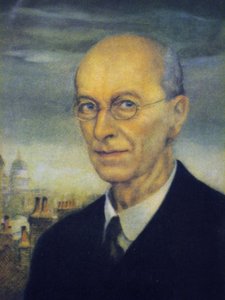
Артур Ракэм
1867 - 1939 , Великобритания
Основные сведения
- Artistic Movement Or Style: Золотой век иллюстрации
- Artists Or Movements Influenced By This Artist: ['Золотой век иллюстрации']
- Artists Who Influenced This Artist:
- Альбрехт Дюрер
- Альбрехт Альтдорфер
- Date Of Birth: 1867-09-19
- Date Of Death: 1939-09-06
- Full Name: Arthur Rackham
- Nationality: Британский
- Notable Artworks:
- Легенды Инг ольдсбея
- Путешествия Гулливера
- Питер Пэн
- Рип Ван Вилкер
- Place Of Birth: Лемэшэм, Великобритания
Похожие статьи
Edmund Dulac: A Master of Golden Age Illustration – Exploring Myth, Symbolism & Art Nouveau Legacy
Explore the captivating world of Edmund Dulac, a master of Golden Age illustration! Discover his enchanting fairy tales, Art Nouveau style, and lasting influence on art & design. Learn about *The Rubaiyat* and more.
Kay Rasmus Nielsen: A Golden Age Illustrator's Enchanting Legacy of Symbolism & Narrative
Explore the captivating world of Kay Rasmus Nielsen, a celebrated Golden Age illustrator renowned for his Art Nouveau fairy tale art & Disney contributions. Discover his unique style, enduring legacy, and how to collect his enchanting works.
The Refined Aesthetic of Victorian Illustration: A Study in Narrative & Technique
Explore the captivating world of Victorian illustration! Discover Pre-Raphaelite influences, key artists like Rossetti & Stephens, and the era's rich narrative detail. A deep dive for art enthusiasts.
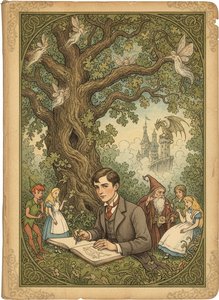
Arthur Rackham: A Master of British Illustration & the Enchanted Realm of Fairy Tales
Explore the enchanting world of Arthur Rackham (1867-1939), a leading figure in British Golden Age illustration. Discover his iconic fairy tale art, classic book illustrations & lasting legacy. Learn more at ArtsDot.

Angelo Chiacchio: A Mid-Century American Illustration Master & the Rise of Commercial Art
Explore the captivating world of Angelo Chiacchio, a master of mid-century American illustration. Discover his evolution, signature style, and lasting impact on commercial art & design. Learn about his legacy at the Museum of American Illustration.