 Предпросмотр
 Поделиться
 Поделиться
 Детали произведения

 Скачать
 Похожие работы
 Рентгенография
 Слайд-шоу
 Статистика
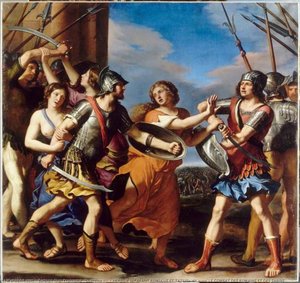
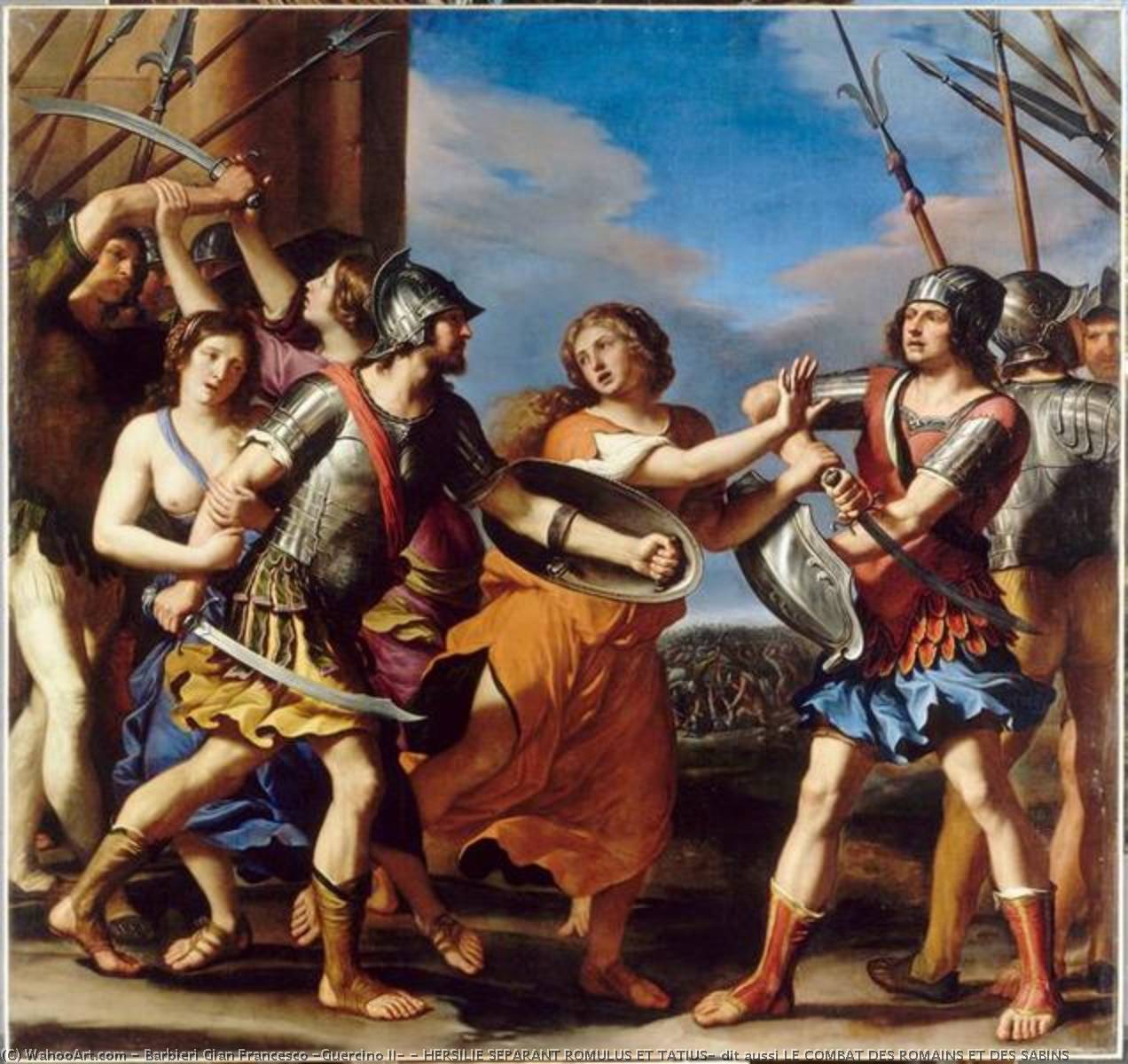
Герсилия разделяет Ромула и Татиуса


 Читать далее
Масляная репродукция ручной работы
Картина маслом на холсте в выбранном вами размере и раме, написанная на заказ нашими художниками. ( Перейти к печати Перейти к цифровым изображениям)




P118B $10

P118H $10

P118W $10

P438Z $10

P508JH $12

P508YH $12

P805H $10

P805Z $10

P919BZ $10

P919G $10

P919XJ $10

P959ZH $10

P968JZ $12

W106C $8

W218G $10

W218JH $8

W218Y $10

W307PJ $10

W316G $10

W316PJ $8

W316Y $10

W398PJ $8

W4111J $10

W500HY $15

W500JH $15

W692G $12

W849H $8

W940BG $15

W953PJ $8




Выберите один из наших стандартных размеров, соответствующих оригинальным пропорциям произведения искусства.

Вы можете указать собственные размеры, чтобы картина идеально вписалась в выбранную раму или пространство. Если выбранный вами размер не соответствует пропорциям оригинала, мы либо обрежем полотно, либо расширим его за счет дополнительных элементов, написанных вручную. Цифровой макет будет отправлен вам на утверждение перед началом производства.
Обратите внимание, что предварительный просмотр на экране не отражает фактическую обрезку или расширение. Только макет точно покажет окончательную композицию.
Хотя доступны индивидуальные размеры, мы рекомендуем выбирать вариант из предопределенного списка, чтобы сохранить исходные пропорции.
После оформления заказа команда ArtsDot.com свяжется с клиентом по электронной почте для уточнения деталей и предоставит предварительный макет
Доставка по всему миру () за 3–4 недели вместо стандартных 5 недель. (11 Сентябрь). Без компромиссов в качестве.

Бесплатная экспресс-доставка по всему миру

Высококачественный льняной холст

Полное страхование доставки

Гарантия возмещения таможенных пошлин

Гарантия точного соответствия цветов

100-дневная политика возврата (только при обнаружении дефектов)

Гарантия возврата 100% средств

Предложение оптовых скидок
 Вариант со стеклом доступен только для размеров менее 110 см

Герсилия разделяет Ромула и Татиуса
Техника репродукции
Размер репродукции
-


Итоговая стоимость
$ 263
A Dramatic Encounter: Guercino’s “The Combat of Romulus and Titus”
Giovanni Francesco Barbieri, known as Guercino (1591 – 1666), emerged from the silk weaving heartland of Sassuolo, Emilia-Romagna, Italy, to become one of Bolognese Baroque’s most distinctive voices. His artistic journey began under Alessandro Magnasco's tutelage, absorbing Caravaggio’s revolutionary naturalism and mastering the profound influence of chiaroscuro – a technique that would define his unparalleled landscape paintings and illuminate his emotionally charged religious compositions. Despite a relatively brief career, Guercino’s legacy persists as an exemplar of Baroque artistry, particularly in conveying visceral drama and capturing the sublime beauty of the natural world.The Subject Matter: Mythic Conflict Embodied
“Hersilie séparant Romulus et Tatius,” or “The Combat of Romulus and Titus,” depicts a pivotal moment from Roman mythology – the confrontation between Romulus and Titus Sabinus over the rightful succession to Rome’s leadership. The painting vividly portrays the struggle for power, capturing the tension and physicality of battle with remarkable precision. Two figures dominate the scene: Romulus, wielding a sword with fierce determination, engages in combat with Titus Sabinus, who defends his claim to the throne. Surrounding them are additional soldiers, some actively participating in the fray while others observe the unfolding drama with apprehension. The composition is carefully balanced, emphasizing the central conflict and conveying an atmosphere of intense urgency.Stylistic Innovation: Guercino’s Unique Vision
Guercino's distinctive style transcends mere imitation; it represents a radical departure from prevailing artistic conventions. He eschewed Caravaggio’s theatrical darkness for a softer, more luminous palette—a characteristic he termed “luminosity”—creating landscapes imbued with ethereal beauty and conveying profound emotional depth. This luminosity is particularly evident in the depiction of the Roman countryside, where rolling hills and distant mountains bathe in diffused sunlight. Guercino's brushstrokes are loose and expressive, prioritizing tonal variation over meticulous detail, resulting in textured surfaces that capture the dynamism of movement and imbue the scene with palpable energy.Technique: Mastering Light and Shadow
The artist’s masterful manipulation of light and shadow—a cornerstone of Baroque painting—is central to Guercino's artistic achievement. He skillfully employs chiaroscuro not merely for dramatic effect but as a tool for conveying psychological realism. The interplay between illuminated areas and darkened recesses sculpts the figures, highlighting musculature and emphasizing emotional states. Furthermore, Guercino’s meticulous attention to atmospheric perspective—the gradual blurring of distant objects—creates an illusion of depth that enhances the painting's immersive quality. This technique underscores Guercino’s commitment to capturing not just what is seen but also how it feels to experience the grandeur of the Roman landscape and the intensity of human conflict.Symbolism: Mythic Allegory and Moral Reflection
Beyond its narrative depiction of a mythological confrontation, “The Combat of Romulus and Titus” resonates with deeper symbolic meanings. The struggle between Romulus and Titus represents the broader conflict between order and chaos—between tradition and innovation—a theme that reflects the anxieties of the Baroque era. Guercino’s use of luminous color symbolizes divine grace and spiritual enlightenment, contrasting sharply with the darkness associated with evil and mortality. The painting serves as a moral reflection on human ambition and the importance of upholding justice and righteousness, reminding viewers of the enduring values enshrined in classical mythology.Emotional Impact: Capturing Sublime Beauty
Ultimately, Guercino’s “The Combat of Romulus and Titus” transcends mere visual representation; it evokes profound emotional responses from the viewer. The painting's dramatic composition and luminous palette instill a sense of awe and wonder—a testament to Guercino’s ability to capture the sublime beauty of the natural world while simultaneously conveying the visceral intensity of human struggle. It invites contemplation on themes of heroism, sacrifice, and moral responsibility, leaving an indelible impression on those who engage with its artistic power.Похожие произведения
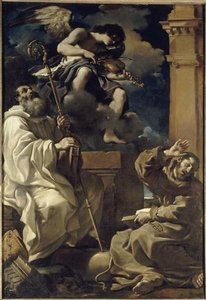
Биография художника
The Master of Light and Shadow: The Life of Guercino
Born Giovanni Francesco Barbieri around 1591 in the serene town of Sassuolo, Italy, the artist who would become known to history as Guercino emerged as one of the most luminous figures of the Bolognese Baroque. His name, a nickname meaning "the squinting one," perhaps alludes to the intense, focused gaze with which he approached his canvas, a gaze that captured the very essence of human emotion and divine light. Growing up in the Emilia-Region, a territory rich with artistic tradition, Barbieri was destined to become a central pillar of the Italian Baroque movement, weaving together the dramatic naturalism of the era with a profound, poetic sensibility.
The foundations of his genius were laid during his early training, where he absorbed the stylistic nuances of the Bolognese school. While much of his formative years remain shrouded in the mists of history, his artistic lineage is clearly traced through his engagement with the works of masters like Alessandro Magnasco. This early exposure introduced him to the transformative power of chiaroscuro—the dramatic interplay between deep, velvety shadows and piercing highlights. As he matured, Guercino did not merely mimic existing styles; he synthesized them, creating a visual language that felt both grounded in reality and elevated by spiritual grace.
A Synthesis of Caravaggesque Drama and Bolognese Grace
The trajectory of Guercino’s career was irrevocably altered by the revolutionary influence of Caravaggio. The sheer psychological depth and uncompromising realism found in Caravaggio's work acted as a catalyst for Barbieri, prompting him to explore the more visceral aspects of the human condition. In his hands, the starkness of Caravaggism was softened by a uniquely Bolognese elegance, resulting in compositions that possessed an uncanny sense of atmosphere. He mastered the ability to use light not just as a tool for visibility, but as a narrative force capable of guiding the viewer's eye through complex biblical and mythological landscapes.
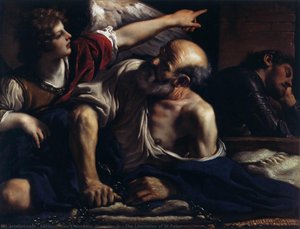
This mastery is perhaps most evident when examining his approach to religious iconography. In works such as The Liberation of St Peter, executed in 1622, one can witness the breathtaking tension between the divine and the earthly. The painting serves as a testament to his ability to capture a moment of miraculous intervention through emotive expression and dramatic lighting. Similarly, his mythological explorations, such as Venus and Cupid, demonstrate a sophisticated command of color and form, where the tenderness of the subjects is balanced by the heavy, atmospheric shadows that define his signature style.
Legacy and Artistic Significance
Guercino’s contribution to the Baroque era extends far beyond the mere depiction of scenes; he redefined the emotional landscape of seventeenth-century painting. His ability to imbue even the most tranquil landscapes with a sense of spiritual contemplation allowed him to bridge the gap between the intense drama of the early Baroque and the more lyrical, classical tendencies that would follow. His influence resonated throughout Europe, inspiring generations of painters to seek the balance between naturalistic truth and idealized beauty.
Throughout his prolific life, which concluded in 1666, Guercino remained a steadfast architect of light. His achievements can be summarized through several key artistic pillars:
- Mastery of Chiaroscuro: The use of extreme light and shadow to create depth, volume, and psychological tension.
- Emotional Naturalism: A commitment to portraying human figures with an honesty that resonates with the viewer's own empathy.
- Atmospheric Landscapes: The creation of settings that feel lived-in and spiritually charged, moving beyond mere backdrops to become active participants in the narrative.
- Stylistic Synthesis: The seamless blending of Caravaggio’s dramatic realism with the refined traditions of the Bolognese school.
Today, the works of Guercino continue to captivate audiences in museums across the globe, standing as enduring monuments to a period of unparalleled artistic innovation. He remains a definitive voice of the Baroque, reminding us that art is at its most powerful when it illuminates both the physical world and the unseen depths of the human soul.
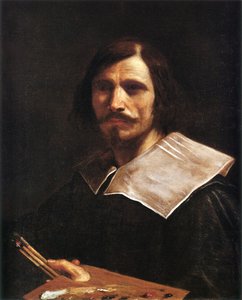
barbieri gian francesco (guercino il)
1591 - 1666
Основные сведения
- Artistic Movement Or Style: Baroque painting
- Artists Or Movements Influenced By This Artist: ['Italian Baroque']
- Artists Who Influenced This Artist:
- Caravaggio
- Annibal Rigaudi
- Date Of Birth: 1591
- Date Of Death: 1666
- Full Name: Giovanni Francesco Barbieri
- Nationality: Italian
- Notable Artworks:
- San Cesare Vespasiano Chapel Altarpiece
- The Martyrdom of Saint Cecilia
- Place Of Birth: Borgo San Lorenzo, Tuscany
Похожие статьи
Decoding Baroque Grandeur: A Guide to the Drama and Emotion of 17th-Century Art
Explore the breathtaking drama of 17th-century Baroque art. Our expert guide decodes the use of chiaroscuro, emotional intensity, and historical grandeur to help you appreciate and curate timeless masterpieces for your collection.

The Dramatic Flourish: Exploring the Baroque Movement's Enduring Legacy in Art History
Explore the dramatic world of Baroque art! Discover iconic artists like Caravaggio & Rubens, defining techniques, and its lasting impact on art history. Expert insights for collectors & enthusiasts at ArtsDot.

10 Шедевров Барокко: Искусство, изменившее мир | ArtsDot.com
Погрузитесь в мир барокко! 10 шедевров Караваджо, Рембрандта и других великих художников. Узнайте историю создания культовых картин и найдите идеальную репродукцию для вашего интерьера на ArtsDot.com

The Visceral Stage: Exploring Dramatic Narratives & Emotional Intensity in Baroque Art
Explore the dramatic world of Baroque art! Discover iconic masters like Caravaggio & Rembrandt, their techniques, and the movement's lasting impact. Expert insights for collectors & enthusiasts at ArtsDot.
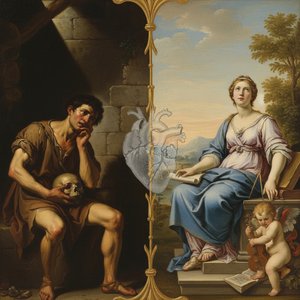
Guercino: A Baroque Master Between Caravaggism & Classicism – Exploring Innovation & Emotional Depth
Explore the captivating world of Guercino, a Baroque master bridging Caravaggism & Classicism. Discover his dramatic chiaroscuro, emotional depth, and lasting influence on art history with ArtsDot.