- Главная

- Репродукция картины маслом
- baron lászló mednyánszky, ladislaus josephus balthasar eustachius mednyánszky
 Предпросмотр
 Поделиться
 Поделиться
 Детали произведения

 Скачать
 Похожие работы
 Рентгенография
 Слайд-шоу
 Статистика
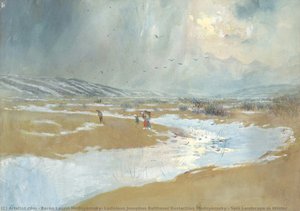
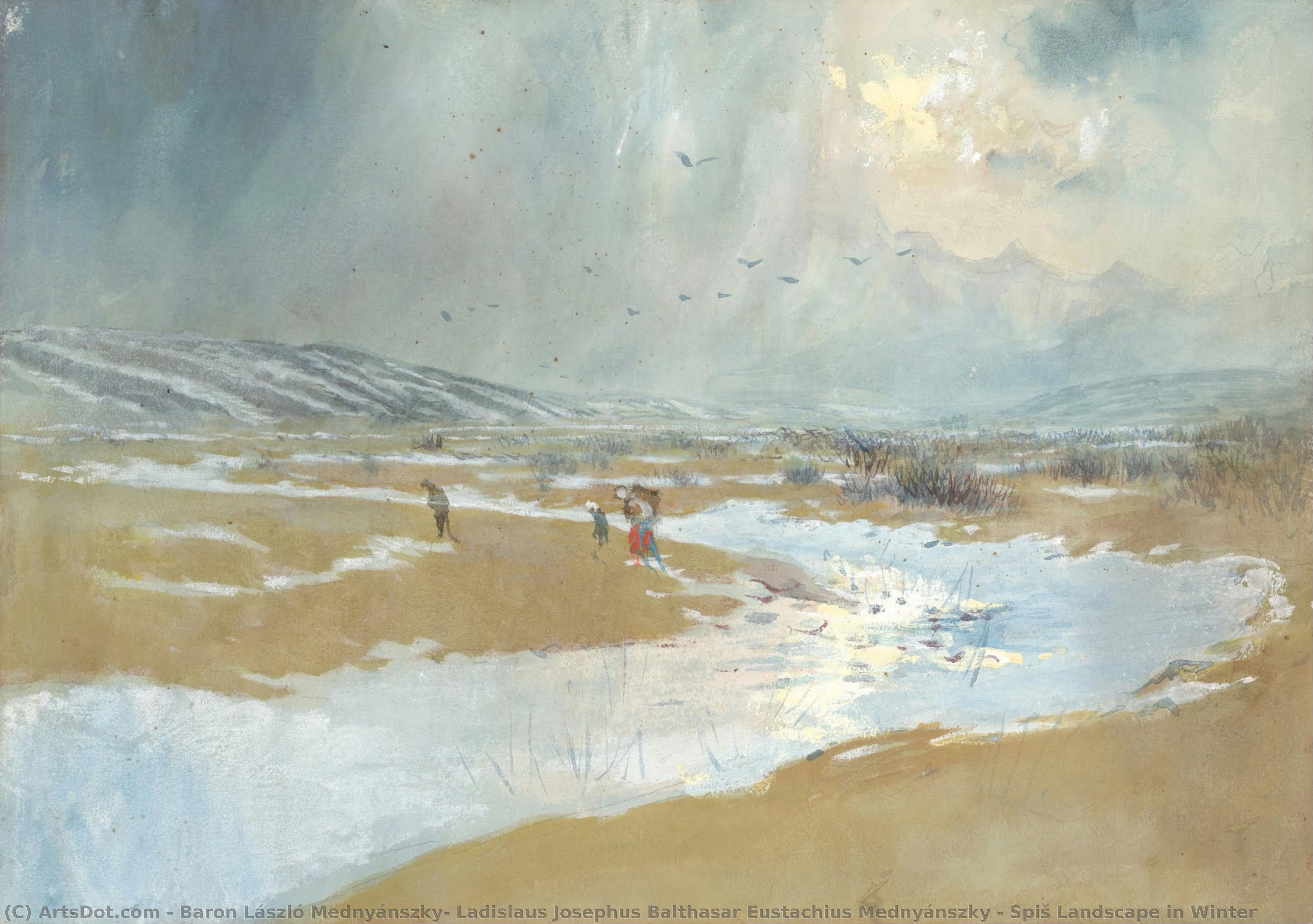
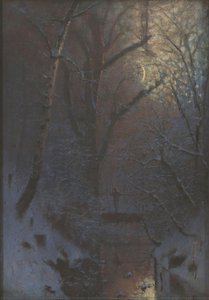
Пейзаж Свиши зимой
 Акрил на холсте
- Настенный декор
- Romantic Symbolism
 34.0 x 24.0 cm
 Slovak National Gallery
 Читать далее
Масляная репродукция ручной работы
Картина маслом на холсте в выбранном вами размере и раме, написанная на заказ нашими художниками. ( Перейти к печати Перейти к цифровым изображениям)




P118B $10

P118H $10

P118W $10

P438Z $10

P508JH $12

P508YH $12

P805H $10

P805Z $10

P919BZ $10

P919G $10

P919XJ $10

P959ZH $10

P968JZ $12

W106C $8

W218G $10

W218JH $8

W218Y $10

W307PJ $10

W316G $10

W316PJ $8

W316Y $10

W398PJ $8

W4111J $10

W500HY $15

W500JH $15

W692G $12

W849H $8

W940BG $15

W953PJ $8




Выберите один из наших стандартных размеров, соответствующих оригинальным пропорциям произведения искусства.

Вы можете указать собственные размеры, чтобы картина идеально вписалась в выбранную раму или пространство. Если выбранный вами размер не соответствует пропорциям оригинала, мы либо обрежем полотно, либо расширим его за счет дополнительных элементов, написанных вручную. Цифровой макет будет отправлен вам на утверждение перед началом производства.
Обратите внимание, что предварительный просмотр на экране не отражает фактическую обрезку или расширение. Только макет точно покажет окончательную композицию.
Хотя доступны индивидуальные размеры, мы рекомендуем выбирать вариант из предопределенного списка, чтобы сохранить исходные пропорции.
После оформления заказа команда ArtsDot.com свяжется с клиентом по электронной почте для уточнения деталей и предоставит предварительный макет
Доставка по всему миру () за 3–4 недели вместо стандартных 5 недель. (12 Сентябрь). Без компромиссов в качестве.

Бесплатная экспресс-доставка по всему миру

Высококачественный льняной холст

Полное страхование доставки

Гарантия возмещения таможенных пошлин

Гарантия точного соответствия цветов

100-дневная политика возврата (только при обнаружении дефектов)

Гарантия возврата 100% средств

Предложение оптовых скидок
 Вариант со стеклом доступен только для размеров менее 110 см

Пейзаж Свиши зимой
Техника репродукции
Размер репродукции
-


Итоговая стоимость
$ 263
Спишский пейзаж зимой: Эхо Символизма в Имитации Импрессионизма Барона Медяньски
Барон László Mednyánszky был одним из самых выдающихся импрессионистов, работавших на территории Словакии и Венгрии. Его жизнь была полна противоречий – от роскоши аристократических поместий до глубокого сочувствия к жизни крестьянства, что отразилось в его творчестве и сделало его фигурой уникальной для своего времени. Медяньский не был просто художником; он был философом с кистью, человеком, стремящимся запечатлеть не только внешний вид мира вокруг него, но и его внутренний мир, его место в истории человечества. Его ранние годы прошли между семейными усадьбами Словакии и путешествиями по Европе, что сформировало его мировоззрение и вдохновило на создание произведений искусства, наполненных глубоким смыслом и эмоциональной силой. Он получил некоторые формальные знания в Академии художеств Венгрии, однако главным источником вдохновения для него были непосредственное наблюдение за природой и жизнь простых людей – темы, которые он мастерски передавал в своих картинах. Медяньский был особенно впечатлен красотой Словакии и ее горными пейзажами, что отразилось в его многочисленных работах. Он часто использовал технику импрессионизма для передачи мимолетных впечатлений от природы, создавая картины с использованием ярких цветов и тонких мазков кисти. Однако Медяньский не был бы Медяньским без влияния символизма – направления искусства, которое стремилось выразить внутренние переживания художника и передать глубокие философские идеи через изображение природы и человеческих эмоций. Его работы часто содержат скрытые символы и метафоры, которые требуют внимательного изучения и интерпретации. Например, картина "Спишский пейзаж зимой" демонстрирует впечатляющий горный ландшафт в зимний период времени. Высокие вершины покрыты снежным одеялом, создавая ощущение спокойствия и величия природы. Яркое солнце освещает склоны гор, подчеркивая их красоту и силу. В картине изображены несколько птиц, которые кружат над горами, добавляя динамику и жизнь пейзажу. Три человека стоят на переднем плане картины, наслаждаясь зимним воздухом и видом на окружающий мир. Эти фигуры символизируют человеческую связь с природой и стремление к гармонии с окружающей средой. Медяньский использовал технику импрессионизма для передачи мимолетных впечатлений от природы и человеческих эмоций, создавая картины с использованием ярких цветов и тонких мазков кисти. Он был особенно внимателен к деталям освещения и тени, что придавало его работам особую выразительность и глубину. Его работы отличаются высоким уровнем мастерства и технической точностью, а также глубоким эмоциональным воздействием на зрителя. Медяньский стремился передать не только внешний вид мира вокруг него, но и его внутренний мир, его место в истории человечества. Именно поэтому его картины продолжают вдохновлять художников и искусствоведов по всему миру и являются важной частью европейской художественной культуры. Его творчество является свидетельством того, что истинное искусство способно запечатлеть красоту природы и передать глубокие философские идеи через изображение мира вокруг нас. Медяньский оставил после себя огромное наследие и вдохновил многих художников на создание произведений искусства, которые будут жить веками.Похожие произведения
Биография художника
A Life Bridging Worlds: The Enigmatic Baron László Mednyánszky
Baron László Mednyánszky, a figure shrouded in intriguing mystery and profound artistic sensitivity, emerged from the fading grandeur of the Austro-Hungarian Empire in 1852. He wasn’t merely a painter; he was a philosopher who translated the complexities of existence onto canvas, an observer deeply attuned to both the breathtaking beauty of nature and the quiet struggles of everyday life. His journey, spanning continents and social strata, reveals a man perpetually caught between worlds – the privilege of his noble birth and the realities faced by those on the fringes of society, Hungary’s vibrant cultural landscape and Slovakia's enduring traditions, the established norms of his time and the burgeoning currents of modern thought. Mednyánszky’s life was marked not just by artistic achievement but also by introspection, a relentless pursuit of understanding, and an ability to capture the essence of human experience with remarkable depth and empathy.Early Years and Artistic Foundations
Born into a family steeped in Hungarian nobility – specifically within the Mednyánszky lineage, tracing its roots back through generations of landowners – László’s early years were shaped by the rhythms of aristocratic life. He spent his formative years amidst sprawling estates in what is now Slovakia, absorbing the landscape's profound influence and developing an intimate connection with the natural world. However, this privileged upbringing wasn’t solely defined by comfort; it also exposed him to the realities of rural existence, fostering a deep respect for the dignity of labor and the resilience of those who worked the land. Crucially, his artistic education began under the tutelage of Thomas Ender, a renowned Viennese landscape painter and watercolorist, providing him with a foundational understanding of technique and composition. Later, he pursued formal training at the prestigious Academy of Fine Arts in Munich and the École des Beaux-Arts in Paris – institutions that exposed him to diverse artistic styles and perspectives. Yet, it was his independent study and immersive experiences across Europe—from the rolling hills of Hungary to the bustling streets of Paris—that truly shaped his unique artistic vision.A Painter’s Palette: Style and Influences
Mednyánszky's artistic style defies easy categorization, reflecting a synthesis of diverse influences rather than adherence to any single school of thought. While undeniably rooted in Impressionism – evident in his skillful use of light, atmospheric perspective, and loose brushwork—his work also incorporates elements of Realism, Symbolism, and even touches of Art Nouveau. He wasn’t simply replicating what he saw; he was striving to convey *feeling*, to capture the emotional resonance of a scene or subject. His landscapes are particularly notable for their evocative power, often imbued with a sense of melancholy, nostalgia, or quiet contemplation. The Carpathian Mountains and the Hungarian plains—the settings of his childhood—became recurring motifs, representing not just geographical locations but also symbols of belonging, loss, and the enduring connection to one’s roots. Furthermore, he possessed a rare empathy for marginalized figures – peasants, laborers, and individuals weathered by hardship—portraying them with dignity and respect, challenging the prevailing social hierarchies of his time. His portraits, too, often reveal a keen understanding of character, capturing not just physical likeness but also inner personality.The Weight of War: A Correspondent’s Perspective
As the shadow of World War I descended upon Europe, Mednyánszky abandoned his artistic pursuits to serve as a war correspondent for the Austro-Hungarian army. This experience profoundly impacted his work, imbuing it with a new sense of urgency and social awareness. He documented the horrors of trench warfare, the suffering of soldiers and civilians alike, and the devastating consequences of conflict. His wartime paintings—such as *Head of a Soldier*, *Wounded Soldier*, and *Soldiers Hunting for Lice*—are starkly realistic depictions of brutality and despair, yet they also convey a profound sense of human resilience and compassion. These works stand as powerful testaments to the human cost of war and serve as poignant reminders of the fragility of life. The experience solidified his belief in the importance of social justice and fueled his desire to use art as a means of raising awareness about the plight of ordinary people.Legacy and Rediscovery
Despite his undeniable talent and significant contributions to Hungarian art, Baron László Mednyánszky remained largely obscure during his lifetime—a consequence partly attributable to his unconventional lifestyle and reluctance to conform to prevailing artistic norms. However, in recent decades, his work has experienced a remarkable resurgence of interest among scholars, collectors, and the general public. His paintings are now exhibited in prestigious galleries and museums throughout Hungary and Slovakia, and they continue to captivate viewers with their emotional depth, technical skill, and profound insights into the human condition. Mednyánszky’s legacy extends beyond his artistic achievements; he represents a bridge between worlds—a nobleman who embraced the lives of ordinary people, a philosopher who translated complex ideas into visual form, and an artist whose work continues to resonate with audiences today, prompting reflection on themes of identity, belonging, and the enduring search for meaning in a world often marked by suffering and uncertainty. His paintings serve as a powerful reminder that beauty can be found even in the darkest corners of existence, and that art has the power to illuminate our understanding of ourselves and the world around us.
baron lászló mednyánszky, ladislaus josephus balthasar eustachius mednyánszky
1852 - 1919 , Венгрия
Основные сведения
- Artistic Movement Or Style: Импрессионизм, Реализм
- Artists Or Movements Influenced By This Artist: ['Символизм']
- Artists Who Influenced This Artist: ['Томас Эндер']
- Date Of Birth: 23 апреля 1852
- Date Of Death: 17 апреля 1919
- Full Name: László Mednyánszky
- Nationality: Венгерско-словацкий
- Notable Artworks:
- Река Попрад в Стражке
- Пламя
- Конец жизни. Пара пожилых людей ночью
- Place Of Birth: Словакия/Венгрия
Похожие статьи

Романтический пейзаж: 10 шедевров, изменивших искусство | ArtsDot.com
Погрузитесь в мир романтического пейзажа! 10 шедевров Фридриха, Тёрнера и других гениев. Узнайте историю создания культовых картин и вдохновитесь для декора интерьера. Репродукции высокого качества на ArtsDot.com.

Джон Констебль: 25 шедевров английского пейзажа для вашего интерьера
Погрузитесь в мир английского пейзажа с Джоном Констеблом! 25 шедевров романтизма, история создания картин и вдохновение для вашего интерьера. Репродукции высокого качества на ArtsDot.com – искусство для ценителей.
Топ-10 шедевров импрессионизма: пейзажи, изменившие искусство | ArtsDot
Погрузитесь в мир импрессионизма! Откройте топ-10 шедевров Моне, Ренуара и других великих художников. Узнайте историю создания культовых пейзажей и вдохновитесь для декора интерьера. Репродукции картин высокого качества на ArtsDot.com

Evocations of Place: A Historical Journey Through Landscape Art
Explore the rich history of landscape art with ArtsDot. Discover renowned artists, movements like Impressionism & Romanticism, and expert guidance for collecting timeless pieces. Find your perfect serene escape today!
Топ-10 шедевров импрессионизма: пейзажи, изменившие искусство | ArtsDot
Погрузитесь в мир импрессионизма! Откройте 10 шедевров Моне, Ренуара и других великих художников. Узнайте историю создания культовых пейзажей и вдохновитесь для декора вашего дома. Репродукции картин высокого качества на ArtsDot.com.