 Предпросмотр
 Поделиться
 Поделиться
 Детали произведения

 Скачать
 Похожие работы
 Рентгенография
 Слайд-шоу
 Статистика
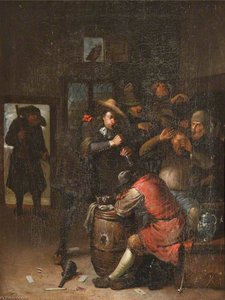
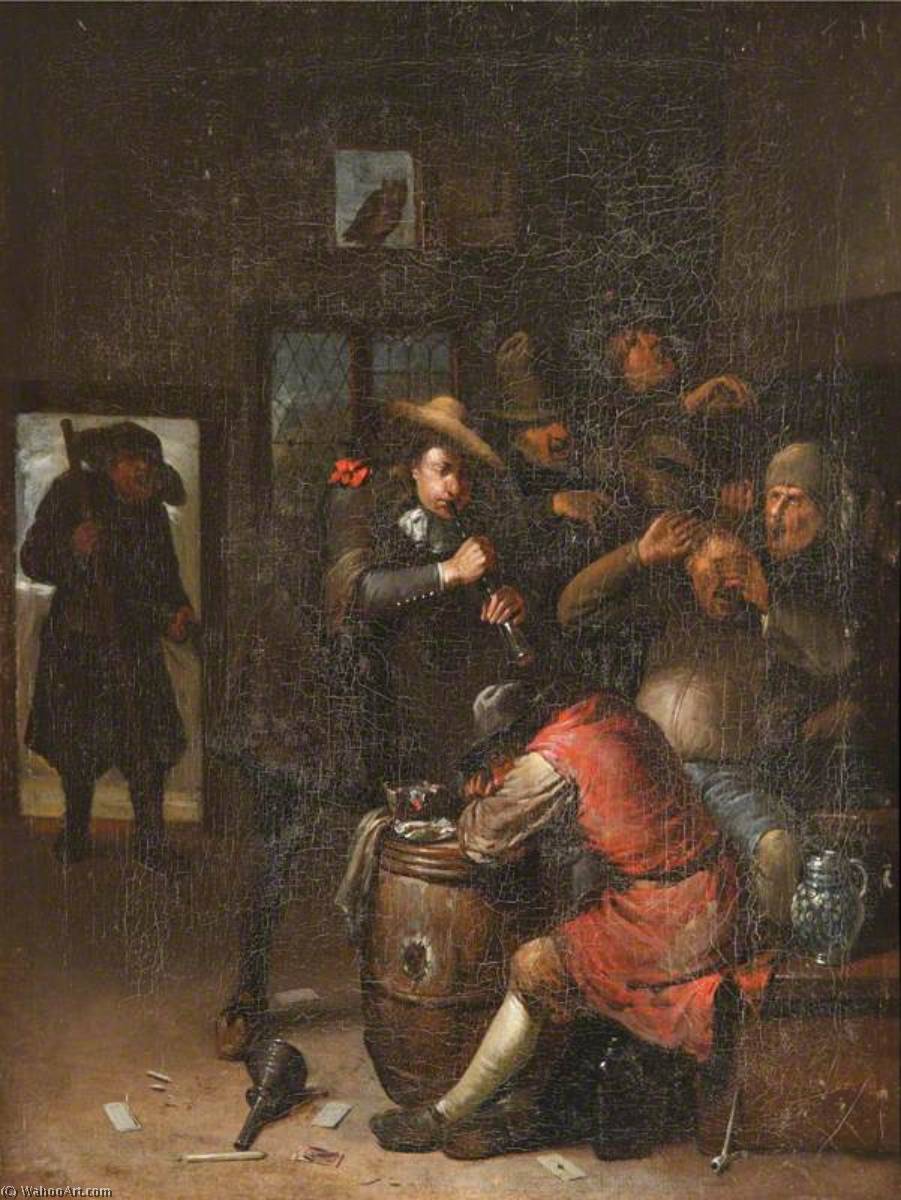
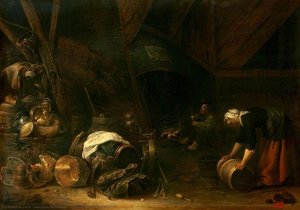
Мужики пируют и человек играет на флейте


 Читать далее
Масляная репродукция ручной работы
Картина маслом на холсте в выбранном вами размере и раме, написанная на заказ нашими художниками. ( Перейти к печати Перейти к цифровым изображениям)




P118B $10

P118H $10

P118W $10

P438Z $10

P508JH $12

P508YH $12

P805H $10

P805Z $10

P919BZ $10

P919G $10

P919XJ $10

P959ZH $10

P968JZ $12

W106C $8

W218G $10

W218JH $8

W218Y $10

W307PJ $10

W316G $10

W316PJ $8

W316Y $10

W398PJ $8

W4111J $10

W500HY $15

W500JH $15

W692G $12

W849H $8

W940BG $15

W953PJ $8




Выберите один из наших стандартных размеров, соответствующих оригинальным пропорциям произведения искусства.

Вы можете указать собственные размеры, чтобы картина идеально вписалась в выбранную раму или пространство. Если выбранный вами размер не соответствует пропорциям оригинала, мы либо обрежем полотно, либо расширим его за счет дополнительных элементов, написанных вручную. Цифровой макет будет отправлен вам на утверждение перед началом производства.
Обратите внимание, что предварительный просмотр на экране не отражает фактическую обрезку или расширение. Только макет точно покажет окончательную композицию.
Хотя доступны индивидуальные размеры, мы рекомендуем выбирать вариант из предопределенного списка, чтобы сохранить исходные пропорции.
После оформления заказа команда ArtsDot.com свяжется с клиентом по электронной почте для уточнения деталей и предоставит предварительный макет
Доставка по всему миру () за 3–4 недели вместо стандартных 5 недель. (11 Сентябрь). Без компромиссов в качестве.

Бесплатная экспресс-доставка по всему миру

Высококачественный льняной холст

Полное страхование доставки

Гарантия возмещения таможенных пошлин

Гарантия точного соответствия цветов

100-дневная политика возврата (только при обнаружении дефектов)

Гарантия возврата 100% средств

Предложение оптовых скидок
 Вариант со стеклом доступен только для размеров менее 110 см

Мужики пируют и человек играет на флейте
Техника репродукции
Размер репродукции
-


Итоговая стоимость
$ 263
Запечатленный Миг Веселья и Музыки: Картина Эгберта ван Хемскерка II
Эгберт ван Хемскерк II (1634–1704) был выдающимся художником эпохи Золотого века Нидерландов, чье творчество особенно славится жанровыми сценами и остроумными работами. Его искусство не только отражает повседневную жизнь XVII века, но и обладает глубоким символическим значением, заставляя зрителя задуматься о человеческой природе и социальных отношениях. Именно эта способность передавать сложные эмоции и атмосферу является ключевым фактором успеха его произведений и делает их особенно привлекательными для коллекционеров и дизайнеров интерьера.- Тема Картины: Изображение представляет собой сцену пиршества и музыки – группу мужчин, наслаждающихся вином и общением, а также музыканта, исполняющего флейту. Эта композиция является типичной для эпохи барокко и отражает стремление художников передать динамику жизни и радость человеческого опыта.
- Стиль Картины: Эгберт ван Хемскерк II работал в стиле барокко, что характеризуется драматизмом, насыщенными цветами и использованием светотени для создания иллюзии глубины и объема. Этот стиль был особенно популярен во Франции и Нидерландах в конце XVII века и оказал значительное влияние на развитие европейской живописи.
- Техника Картины: Художник использовал технику масляной живописи на холсте, что обеспечило ему высокую степень детализации и реалистичности изображения. Текстура краски тщательно проработана, создавая ощущение мягкости и теплоты поверхности картины. Особенно впечатляет использование светотени для подчеркивания формы и выражения лиц персонажей.
- Исторический Контекст: Картина была написана в 1675 году во время расцвета Нидерландской республики и отражает дух времени – эпоху политической стабильности и экономического процветания, но также и период социальных волнений и религиозных разногласий. Изображение пиршества является символом праздника и роскоши, что соответствует общему настрою эпохи барокко.
- Эмоциональный Отклик: Картина вызывает ощущение тепла и дружелюбия благодаря ярким цветам и выразительным лицам персонажей. Она передает атмосферу радости и беззаботности, приглашая зрителя окунуться в мир искусства и истории. Использование флейты как музыкального инструмента добавляет картине эмоциональную глубину и подчеркивает важность музыки в человеческой жизни.
Похожие произведения


Биография художника
Jacques Callot: The Chronicler of a Turbulent Age
Jacques Callot, born around 1592 in Nancy, Duchy of Lorraine, and passing away in 1635, remains a pivotal figure in the history of printmaking. More than simply an engraver, he was a chronicler—a visual recorder of his time, capturing the anxieties, entertainments, and hardships of 17th-century Europe with remarkable detail and unsettling honesty. His work, largely focused on scenes of soldiers, clowns, drunken revelers, Romani people, beggars, and even depictions of court life, offers a unique window into a world grappling with war, poverty, and social upheaval. Callot’s legacy isn't defined by grand masterpieces but rather by the sheer volume and poignant realism of his prints—over 1,400 images that collectively form a sprawling tapestry of everyday existence.Early Life and Training: From Goldsmith to Master Engraver
Callot’s early life was steeped in craftsmanship. His father, a master goldsmith, initially intended for him to follow the family trade. However, a youthful fascination with drawing led him to apprentice under a goldsmith first, then a glass engraver named Abraham Toorenvliet. This formative period instilled in him a meticulous attention to detail and an understanding of line quality—skills that would prove crucial to his later success. Crucially, Callot traveled to Rome around 1612, immersing himself in the artistic traditions of the Renaissance. He studied under Philippe Thomassin, a French expatriate engraver who had established a studio there, absorbing techniques and developing his own distinctive style. It was during this time that he honed his skills in etching, a process that allowed for greater subtlety and nuance than engraving alone. His training wasn’t solely focused on technique; Callot's exposure to Roman antiquities and classical literature profoundly shaped his artistic sensibilities, influencing his later depictions of mythological scenes and allegorical narratives.Technical Innovations: Shaping the Old Master Print
Callot was not merely a skilled reproducer of existing images; he was an innovator who significantly advanced the art of printmaking. He is credited with several key technical breakthroughs that fundamentally altered the possibilities of the medium. Perhaps most notably, he developed the *échoppe*, a specialized engraving needle featuring a slanting oval section at its tip. This ingenious tool allowed engravers to create swelling lines—a technique previously unattainable—mimicking the effect of brushstrokes and adding depth and dynamism to his prints. Furthermore, Callot refined the etching ground recipe, utilizing lute-makers’ varnish instead of traditional wax-based formulations. This alteration dramatically increased the durability of the ground, extending the lifespan of the plate and reducing the risk of “foul-biting,” a common problem that could ruin an entire print. These innovations were not simply technical refinements; they represented a shift in the way artists approached printmaking, paving the way for future generations of engravers and establishing Callot as a pioneer of the *old master print*.The “Suite” and Social Commentary: A Chronicle of His Time
Callot’s most enduring contribution lies in his development of the “suite”—a series of prints united by a common theme or narrative. He pioneered this format, meticulously planning each image to work together as a cohesive whole. This approach allowed him to explore complex social and political issues with unprecedented depth and nuance. His most famous suites, *Les Moeurs Natures de Tous les Ages* (The Customs of All Ages), are a searing indictment of the excesses and injustices of his time. These prints depict a wide range of human experiences—from the brutality of war to the poverty and exploitation of the marginalized—with unflinching realism. He also created suites focused on the lives of soldiers, clowns, and Romani people, offering glimpses into their worlds and challenging prevailing stereotypes. His work wasn’t simply observational; it often carried a subtle moral message, prompting viewers to confront uncomfortable truths about themselves and society.Influence and Legacy: A Foundation for Future Artists
Jacques Callot's influence on subsequent generations of printmakers is undeniable. Rembrandt van Rijn, one of the greatest painters of all time, was a devoted collector of Callot’s prints, recognizing their technical brilliance and emotional power. Nicolas Poussin, another influential artist known for his classical compositions, also drew inspiration from Callot's work, particularly his depictions of landscapes and human figures. Callot’s innovations in etching—the *échoppe* and improved ground recipe—were adopted by other engravers, shaping the development of printmaking techniques for decades to come. While he may not be remembered for grand paintings or monumental sculptures, Jacques Callot's legacy rests on his extraordinary prints—a testament to his skill, vision, and profound understanding of the human condition. His work continues to resonate today, offering a powerful reminder of the complexities and contradictions of 17th-century Europe and serving as a poignant commentary on the enduring challenges of social justice and human dignity.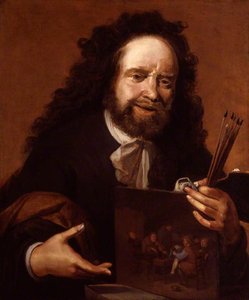
egbert van heemskerck ii
1635 - 1704
Основные сведения
- Artistic Movement Or Style: Baroque printmaker
- Artists Or Movements Influenced By This Artist: ['Rembrandt']
- Artists Who Influenced This Artist: ['Philippe Thomassin']
- Date Of Death: 1635
- Full Name: Jacques Callot
- Nationality: French
- Notable Artworks:
- The Triumph of Pan
- The Triumph of Bacchus
- Place Of Birth: Nancy, France
Похожие статьи

Топ-10 шедевров голландского барокко: искусство для вашего интерьера от ArtsDot.com
Погрузитесь в мир голландского барокко! От Рембрандта до Вермеера – 10 шедевров, изменивших искусство. Узнайте истории создания и технику великих мастеров. Репродукции картин высочайшего качества для вашего интерьера на ArtsDot.com.

Golden Age Reflections: Dutch Baroque Painting & Cultural Innovation
Explore the Dutch Golden Age of painting! Discover key artists like Vermeer & ter Borch, their innovative techniques, and the rich cultural context behind these Baroque masterpieces. Learn about collecting & appreciating this iconic art period.
Genre Painting: A Window into Daily Life & Societal Values of the Dutch Golden Age
Explore the captivating world of Dutch Golden Age genre painting! Discover realistic depictions of daily life, masterful artists like Ostade & Metsu, and hidden symbolism. Learn about this influential art movement with ArtsDot.

Illuminating Innovation: Exploring the Dutch Golden Age of Painting
Explore the Dutch Golden Age of painting with ArtsDot. Discover Rembrandt, Vermeer & other Masters. Learn about key characteristics, iconic artworks, and lasting influence. Expert insights for collectors & enthusiasts.

Золотой век Голландии: 10 шедевров, изменивших искусство | ArtsDot.com
Погрузитесь в эпоху Золотого века Нидерландов! 10 шедевров Рембрандта, Вермеера и других мастеров. Узнайте истории создания культовых картин и вдохновитесь для интерьера. Репродукции музейного качества на ArtsDot.com.