 Предпросмотр
 Поделиться
 Поделиться
 Детали произведения

 Скачать
 Похожие работы
 Рентгенография
 Слайд-шоу
 Статистика
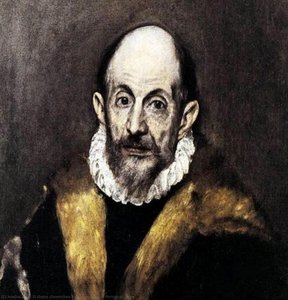
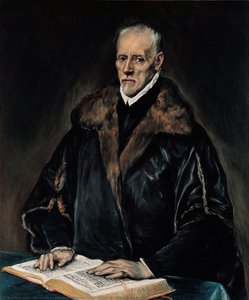
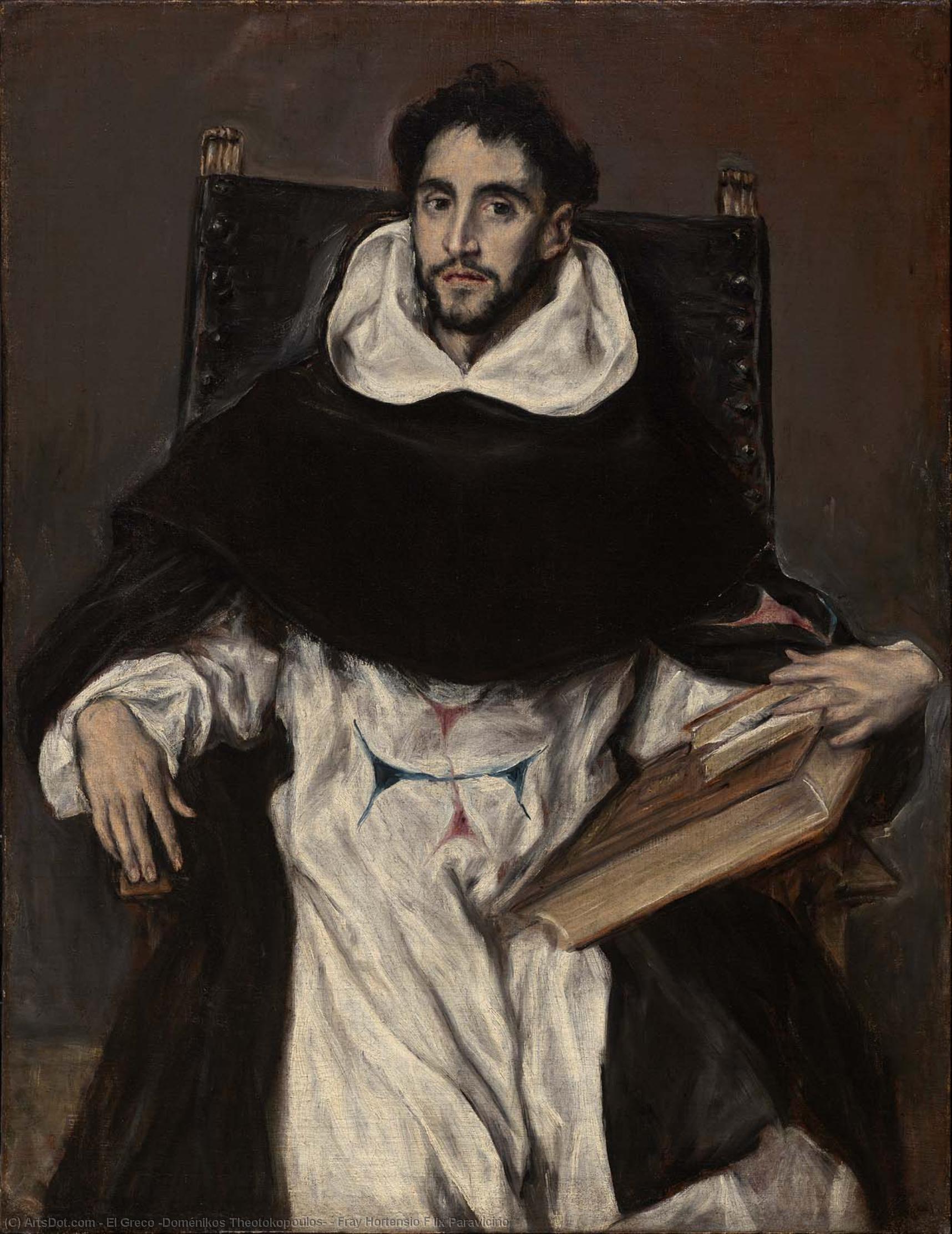
Fray Hortensio F lix Paravicino
 Акрил на холсте
- Настенный декор
- Baroque
 1609
1609- — Ренессанс
 112.0 x 86.0 cm
 Музей изящных искусств Бостон
 Читать далее
Масляная репродукция ручной работы
Картина маслом на холсте в выбранном вами размере и раме, написанная на заказ нашими художниками. ( Перейти к печати Перейти к цифровым изображениям)




P118B $10

P118H $10

P118W $10

P438Z $10

P508JH $12

P508YH $12

P805H $10

P805Z $10

P919BZ $10

P919G $10

P919XJ $10

P959ZH $10

P968JZ $12

W106C $8

W218G $10

W218JH $8

W218Y $10

W307PJ $10

W316G $10

W316PJ $8

W316Y $10

W398PJ $8

W4111J $10

W500HY $15

W500JH $15

W692G $12

W849H $8

W940BG $15

W953PJ $8




Выберите один из наших стандартных размеров, соответствующих оригинальным пропорциям произведения искусства.

Вы можете указать собственные размеры, чтобы картина идеально вписалась в выбранную раму или пространство. Если выбранный вами размер не соответствует пропорциям оригинала, мы либо обрежем полотно, либо расширим его за счет дополнительных элементов, написанных вручную. Цифровой макет будет отправлен вам на утверждение перед началом производства.
Обратите внимание, что предварительный просмотр на экране не отражает фактическую обрезку или расширение. Только макет точно покажет окончательную композицию.
Хотя доступны индивидуальные размеры, мы рекомендуем выбирать вариант из предопределенного списка, чтобы сохранить исходные пропорции.
После оформления заказа команда ArtsDot.com свяжется с клиентом по электронной почте для уточнения деталей и предоставит предварительный макет
Доставка по всему миру () за 3–4 недели вместо стандартных 5 недель. (10 Сентябрь). Без компромиссов в качестве.

Бесплатная экспресс-доставка по всему миру

Высококачественный льняной холст

Полное страхование доставки

Гарантия возмещения таможенных пошлин

Гарантия точного соответствия цветов

100-дневная политика возврата (только при обнаружении дефектов)

Гарантия возврата 100% средств

Предложение оптовых скидок
 Вариант со стеклом доступен только для размеров менее 110 см

Fray Hortensio F lix Paravicino
Техника репродукции
Размер репродукции
-


Итоговая стоимость
$ 263
Fray Hortensio F lix Paravicino: A Portrait of Contemplation
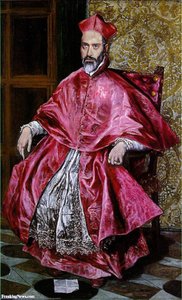
El Greco’s *Portrait of Fray Hortensio Félix Paravicino*, completed in 1609, stands as a remarkable testament to the artist's ability to distill profound psychological depth into a single image. More than just a likeness of a Dominican friar, it embodies El Greco’s signature style—a dramatic fusion of Byzantine spirituality and Western artistic innovation that continues to captivate viewers centuries later. Located at the Museum of Fine Arts in Boston, this painting offers a glimpse into the intellectual fervor of Renaissance Spain and invites contemplation on themes of faith, wisdom, and inner reflection. ### The Subject: A Figure Embodied in Dignified Silence The portrait depicts Fray Hortensio Félix Paravicino, a prominent Dominican scholar and poet, seated upon what appears to be a throne or elevated chair—a deliberate gesture signifying his status and authority within the ecclesiastical hierarchy. His gaze is directed downwards, conveying an air of solemn seriousness that speaks volumes about his inner thoughts. The robe he wears, rendered with meticulous detail by El Greco’s hand, reinforces this impression of dignified composure. He holds a book in his left hand—a symbol universally recognized as representing knowledge and contemplation—further emphasizing the subject's intellectual pursuits. ### Artistic Technique: Mastering Depth and Emotion Through Oil Paint El Greco’s masterful use of oil paint on canvas is central to the painting’s impact. The artist skillfully blends colors to create a palpable sense of depth and dimensionality, capturing not merely the physical appearance of Paravicino but also his psychological state. Notice the subtle gradations of tone within the robe—a testament to El Greco's painstaking attention to detail—and consider how he achieves this effect through layering pigments and manipulating brushstrokes. The elongated figure is characteristic of El Greco’s style, a deliberate departure from Renaissance conventions that prioritizes anatomical accuracy. This stylistic choice serves to heighten emotional intensity and convey a feeling of spiritual transcendence. ### Historical Context: Bridging Byzantine Legacy and Baroque Influence Painted during the reign of Philip III and Philip IV—a period marked by religious fervor and intellectual curiosity—*Portrait of Fray Hortensio Félix Paravicino* reflects El Greco’s engagement with both Byzantine artistic traditions and the burgeoning Baroque aesthetic. Like many artists of his time, El Greco drew inspiration from the iconography of Constantinople—the capital of Byzantium—incorporating elements of Byzantine spirituality into his compositions. Simultaneously, he embraced innovations introduced by Venetian painters such as Tintoretto and Titian, resulting in a distinctive visual language that distinguishes him from his contemporaries. The painting’s placement within the Museum of Fine Arts underscores its significance as a cornerstone of European art history. ### Symbolism: Time, Reflection, and Spiritual Presence Beyond its formal elements—the pose, the robe, the book—*Portrait of Fray Hortensio Félix Paravicino* is laden with symbolic meaning. The clock positioned prominently in the upper right corner serves as a reminder of the passage of time—a motif frequently employed by artists to convey themes of mortality and contemplation. However, it’s the subject's gaze—directed downwards—that commands our attention most profoundly. This posture suggests introspection and inner reflection—a core preoccupation of humanist thought during El Greco’s era—and invites viewers to contemplate the complexities of human experience. Ultimately, *Portrait of Fray Hortensio Félix Paravicino* transcends mere representation; it aspires to capture a moment of spiritual presence—a feat achieved with unparalleled artistry by Doménikos Theotokopoulos. Would you like me to elaborate on any particular aspect of this description or generate additional content?Похожие произведения
Биография художника
Doménikos Theotokópoulos, Known As El Greco – A Pioneer Of Expressionism And Cubism
Doménikos Theotokópoulos, universally recognized as El Greco – “the Greek” – stands apart in the annals of Western art history. Born in Crete, Greece, around 1541, his artistic journey traversed Venice and Rome before finding its definitive expression in the spiritual crucible of Toledo, Spain. He wasn’t merely a product of these locations; he synthesized their diverse influences into an unparalleled style that foreshadowed the emotional fervor of Expressionism and the fragmented forms of Cubism centuries ahead of time. His formative years within the Byzantine tradition instilled in him meticulous attention to detail and a profound understanding of religious iconography – principles that would permeate his entire oeuvre.Early Training And Venetian Influence
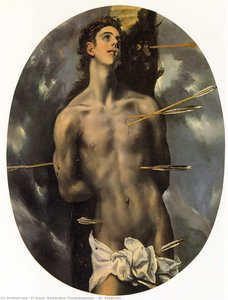
El Greco’s artistic education began in Crete, where he absorbed the stylistic conventions of Byzantium—characterized by serene compositions, stylized figures, and luminous colors. However, his relocation to Venice around 1567 irrevocably altered his trajectory. Immersed in the bustling artistic milieu of the Serenissima Republic, he encountered titans of Venetian painting – Titian, Tintoretto, Veronese – absorbing their mastery of color palettes, compositional strategies, and dramatic lighting techniques. He deliberately loosened his brushwork, embracing the sensual qualities of oil paint and experimenting with dynamic poses that departed from traditional Byzantine conventions. This Venetian influence is palpable in early masterpieces like *St. Sebastian* (1600), where anatomical accuracy harmoniously blends with theatrical illumination—a testament to El Greco’s ability to synthesize disparate artistic traditions.Roman Exposure And Mannerist Style
A subsequent pilgrimage to Rome exposed him to Mannerism, a stylistic movement that prioritized elongated figures, distorted perspectives, and sophisticated compositional arrangements. While he demonstrated considerable talent within the Roman art world – attracting commissions from prominent patrons – El Greco struggled to gain widespread acclaim amidst the competitive landscape of Florentine artistic circles. Despite facing challenges in establishing himself as a celebrated artist during his formative years, his unwavering dedication to experimentation and innovation would ultimately propel him toward his singular artistic vision.Toledo And Spiritual Expression
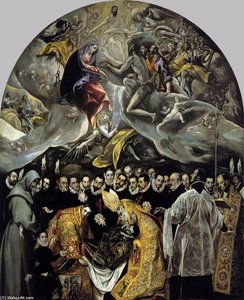
El Greco’s final artistic home was Toledo, Spain—a city steeped in religious fervor during the Counter-Reformation. This environment fostered both patronage and an atmosphere conducive to exploring themes of spirituality and transcendence. It was here that he achieved his most profound artistic breakthroughs, producing works imbued with a palpable sense of emotional intensity and visionary grandeur. His distinctive style – characterized by elongated figures bathed in ethereal light—became synonymous with the expressive power of Mannerism and foreshadowed the stylistic innovations of Expressionism and Cubism. Consider *The Burial of the Count of Orgaz* (1586-1588), a monumental painting that exemplifies El Greco’s masterful blending of Byzantine tradition and Venetian realism. The depiction of a miraculous event—the descent of saints to bury a nobleman—captures the sublime beauty of religious devotion while simultaneously conveying an overwhelming sense of spiritual awe.Legacy And Recognition
El Greco's artistic legacy extends far beyond his lifetime, resonating powerfully with artists across subsequent eras. His pioneering use of elongated figures and dramatic lighting captivated contemporaries like Picasso and Braque, who recognized him as a precursor to modern art—particularly Cubism—admiring his unconventional perspectives and stylistic boldness. Furthermore, El Greco’s emotive style found kinship with Expressionist painters who sought to convey profound psychological states through vibrant colors and forceful brushstrokes. Today, El Greco is revered as one of the most influential figures in Western art history—a visionary painter whose oeuvre continues to inspire awe and contemplation, securing his place among the titans of artistic innovation and spiritual expression. His paintings remain enduring symbols of faith, emotion, and the boundless capacity of human imagination.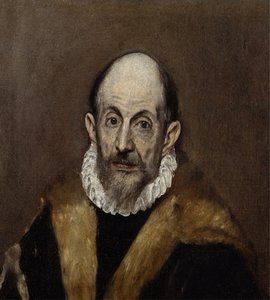
Эль Греко
1541 - 1614 , Греция
Основные сведения
- Artistic Movement Or Style: Маньеризм, Барокко
- Artists Or Movements Influenced By This Artist:
- Экспрессионизм
- Кубизм
- Artists Who Influenced This Artist:
- Тициан
- Тинторетто
- Date Of Birth: 1541 г.
- Date Of Death: 1614 г.
- Full Name: Доминикс Феотокóпулос
- Nationality: Греко-Испанский
- Notable Artworks:
- Положение Графа Оргаза
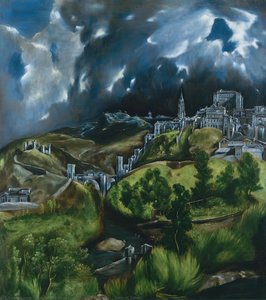
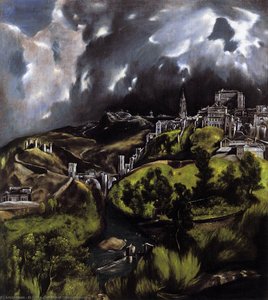
- Вид Толедо
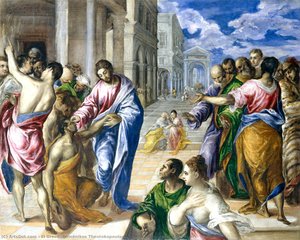
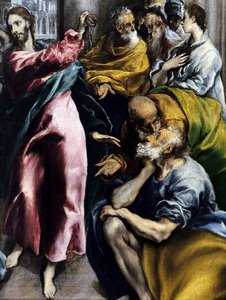
- Одевание Христа
- Place Of Birth: Крета, Греция
Похожие статьи

Эль Греко: 25 шедевров гения. Купить картины онлайн | ArtsDot
Погрузитесь в мир Эль Греко! 25 величайших шедевров испанского маньеризма. Узнайте историю создания культовых картин, технику и символизм. Купите репродукции высокого качества для вашего интерьера на ArtsDot.com.
Топ-25 шедевров Прадо: Искусство Веласкеса, Гойи и Эль Греко для вашего интерьера
Погрузитесь в мир шедевров Прадо! От Веласкеса до Гойи – история искусства Испании, барокко и знаменитые картины. Купите репродукции высокого качества для вашего интерьера на ArtsDot.com.
El Greco: Spirituality, Style & Innovation – A Renaissance Master's Legacy
Explore the captivating world of El Greco! Discover his unique style, spiritual intensity, and lasting impact on art history. Learn about this Renaissance master's life, iconic paintings & legacy.

The Enduring Legacy of Oil on Canvas: Technique, History & Aesthetic Impact
Explore the rich history & techniques of oil painting – from Renaissance masters to Impressionism. Discover pigments, layering methods, and why this timeless medium endures. Expert insights for artists & art enthusiasts.

The Enduring Power of Painting: A Historical & Contemporary Exploration of Form and Emotion
Explore the rich history & enduring techniques of oil painting with ArtsDot. Discover masterpieces, learn about art collecting, and find authentic handmade reproductions crafted by skilled artists.