 Предпросмотр
 Поделиться
 Поделиться
 Детали произведения

 Скачать
 Похожие работы
 Рентгенография
 Слайд-шоу
 Статистика
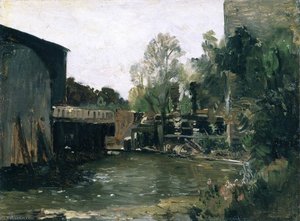
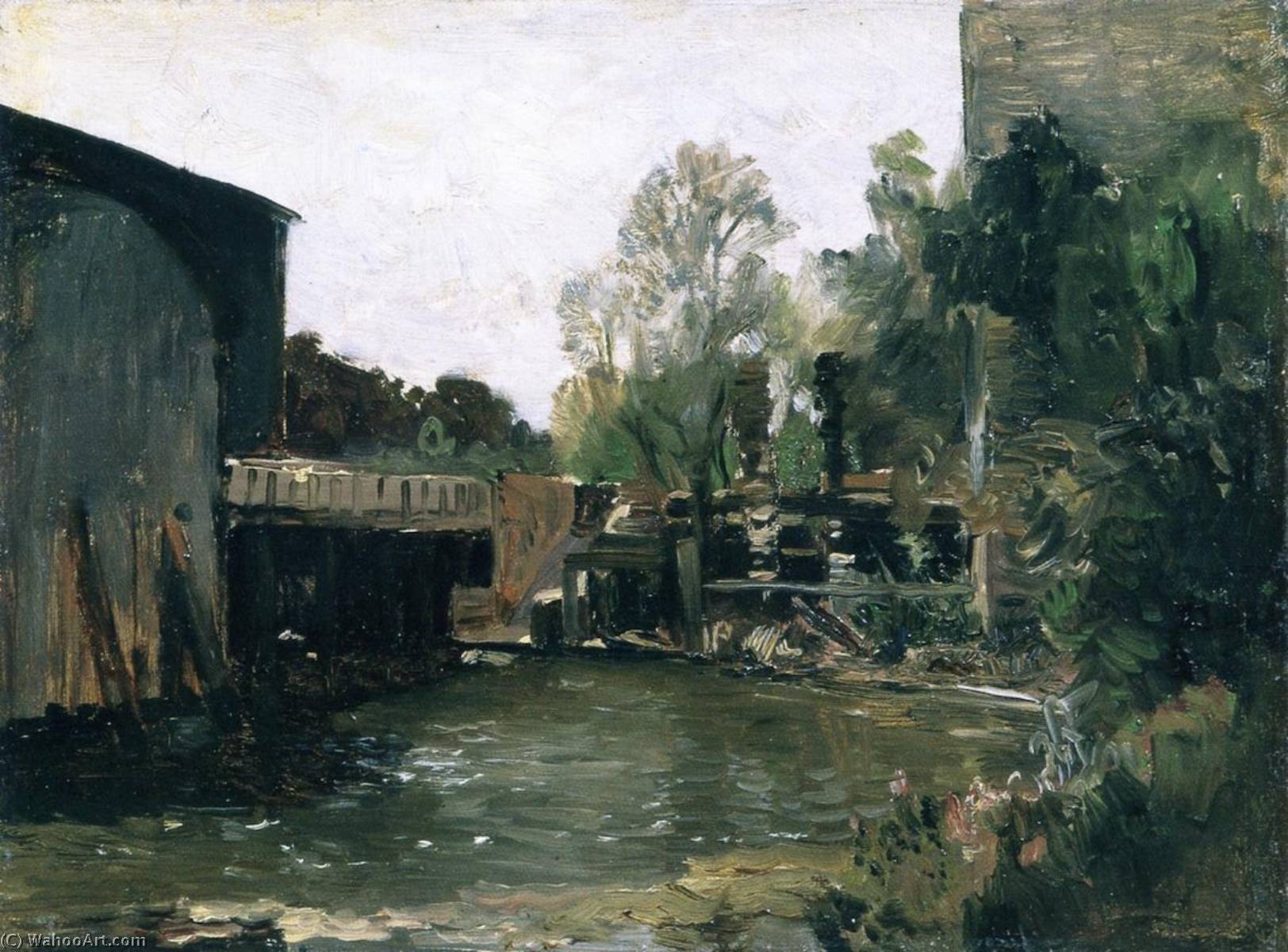
Мост через пруд в Планкеберге


 Читать далее
Масляная репродукция ручной работы
Картина маслом на холсте в выбранном вами размере и раме, написанная на заказ нашими художниками. ( Перейти к печати Перейти к цифровым изображениям)




P118B $10

P118H $10

P118W $10

P438Z $10

P508JH $12

P508YH $12

P805H $10

P805Z $10

P919BZ $10

P919G $10

P919XJ $10

P959ZH $10

P968JZ $12

W106C $8

W218G $10

W218JH $8

W218Y $10

W307PJ $10

W316G $10

W316PJ $8

W316Y $10

W398PJ $8

W4111J $10

W500HY $15

W500JH $15

W692G $12

W849H $8

W940BG $15

W953PJ $8




Выберите один из наших стандартных размеров, соответствующих оригинальным пропорциям произведения искусства.

Вы можете указать собственные размеры, чтобы картина идеально вписалась в выбранную раму или пространство. Если выбранный вами размер не соответствует пропорциям оригинала, мы либо обрежем полотно, либо расширим его за счет дополнительных элементов, написанных вручную. Цифровой макет будет отправлен вам на утверждение перед началом производства.
Обратите внимание, что предварительный просмотр на экране не отражает фактическую обрезку или расширение. Только макет точно покажет окончательную композицию.
Хотя доступны индивидуальные размеры, мы рекомендуем выбирать вариант из предопределенного списка, чтобы сохранить исходные пропорции.
После оформления заказа команда ArtsDot.com свяжется с клиентом по электронной почте для уточнения деталей и предоставит предварительный макет
Доставка по всему миру () за 3–4 недели вместо стандартных 5 недель. (11 Сентябрь). Без компромиссов в качестве.

Бесплатная экспресс-доставка по всему миру

Высококачественный льняной холст

Полное страхование доставки

Гарантия возмещения таможенных пошлин

Гарантия точного соответствия цветов

100-дневная политика возврата (только при обнаружении дефектов)

Гарантия возврата 100% средств

Предложение оптовых скидок
 Вариант со стеклом доступен только для размеров менее 110 см

Мост через пруд в Планкеберге
Техника репродукции
Размер репродукции
-


Итоговая стоимость
$ 263
The Serene Vision of Emil Schindler: Mill Weir in Plankenberg
The painting “Mill Weir in Plankenberg” by the Austrian artist Emil Jacob Schindler, created in 1891 and currently residing within the esteemed Österreichische Galerie Belvedere in Vienna, is more than just a depiction of a rural scene; it’s an immersive experience. Schindler masterfully captures a fleeting moment of tranquility – a river gently flowing beneath a weathered mill weir, framed by the rolling hills and verdant forests of Plankenberg. This isn't merely a landscape painting; it’s a carefully constructed tableau designed to evoke a profound sense of peace and connection with nature, reflecting the artist’s deep appreciation for the beauty of the Austrian countryside.
Schindler, a key figure in the late 19th-century Viennese art scene, skillfully blended elements of realism and impressionism. He was profoundly influenced by the atmospheric realism championed by Dutch Masters like Meindert Hobbema and Jacob Izaaksoon van Ruisdael, artists known for their ability to capture light and shadow with remarkable subtlety. This influence is immediately apparent in Schindler’s work – the soft, diffused light bathing the scene, the delicate gradations of color, and the almost palpable sense of stillness all speak to this foundational inspiration. However, Schindler wasn't simply a mimic; he infused his paintings with a distinctly personal vision, prioritizing emotional resonance over strict adherence to academic conventions.
A Dance of Light and Color: Technique and Style
The painting’s power lies not only in its subject matter but also in Schindler’s masterful technique. Executed in oil on canvas, “Mill Weir” showcases a remarkable attention to detail – from the meticulously rendered texture of the mill weir itself to the individual leaves shimmering on the trees. Yet, this precision is balanced by a loose, expressive brushstroke that contributes significantly to the painting's overall atmosphere. Schindler deliberately avoids sharp outlines and harsh contrasts, opting instead for subtle gradations of color and light. This creates an illusion of depth and movement, as if the viewer is standing directly within the scene.
The color palette is remarkably restrained – a symphony of muted greens, browns, and blues that evoke the natural tones of the landscape. Schindler’s use of light is particularly noteworthy; he employs a technique known as *plein air* painting (though practiced in his studio), capturing the fleeting effects of sunlight on water and foliage with astonishing accuracy. The reflections dancing on the river's surface are not merely decorative elements but rather integral to the painting’s composition, adding dynamism and visual interest.
Symbolism and a Glimpse into Austrian Life
Beyond its aesthetic qualities, “Mill Weir in Plankenberg” offers a glimpse into the daily life of rural Austria during the late 19th century. The mill itself represents industry and sustenance – a vital component of the local economy. The river flowing through the foreground symbolizes continuity and connection, linking the land to the broader landscape. The scene is not overtly dramatic or heroic; it’s a quiet celebration of everyday life, suggesting a harmonious relationship between humanity and nature.
Interestingly, Schindler's personal life also intertwined with this work. He was the father of Alma Mahler, one of the most prominent figures in Viennese artistic circles at the time. This connection adds another layer of intrigue to the painting – a subtle reflection of the artist’s own world and experiences. The painting serves as a poignant reminder that even within the realm of art, personal narratives can subtly shape and enrich our understanding of the work itself.
A Timeless Masterpiece: Reproduction Possibilities
ArtsDot offers meticulously crafted hand-painted reproductions of “Mill Weir in Plankenberg,” allowing you to bring this timeless masterpiece into your home or office. Our skilled artisans faithfully recreate Schindler’s delicate brushstrokes and nuanced color palette, ensuring that the reproduction captures the essence of the original painting with remarkable accuracy. We offer a range of sizes to suit your individual needs and preferences, from intimate tabletop pieces to grand statement artworks. Each reproduction is created on high-quality canvas using archival pigments, guaranteeing its longevity and beauty for generations to come. Explore our options today and experience the enduring allure of this Austrian landscape gem.
Похожие произведения

Биография художника
Emil Jakob Schindler: Life and Legacy
Early Life and Education
- Born: 1842 in Fischamend, Austria.
- Schindler’s early life was marked by family tragedy; his father died when he was four years old. His mother remarried, leading to a complex family dynamic.
- He initially pursued a military career, joining the army in 1857 and potentially participating in the Battle of Solferino.
- In 1860, he abandoned his military aspirations and enrolled at the Academy of Fine Arts, Vienna, studying under Albert Zimmermann.
Artistic Influences and Development
- Influenced by Dutch Masters: Schindler drew significant inspiration from 17th-century Dutch landscape painters like Meindert Hobbema and Jacob Izaaksoon van Ruisdael, adopting their atmospheric realism.
- His early works focused on detailed depictions of nature, gradually evolving towards a more impressionistic style with looser brushwork and an emphasis on light and atmosphere.
- Travels to Venice, Dalmatia, France, and Holland broadened his artistic horizons and provided new subject matter.
Career and Major Works
- Schindler achieved early success with “Eine Waldschmiede” (A Forest Blacksmith), sold in 1864 shortly after his first public exhibition.
- He established himself as a landscape painter, capturing the beauty of the Vienna Woods, the Dalmatian coast, and other scenic locations.
- Notable Works Include: “Kaisermühlen on the Danube,” “Mountain Stream in the Ramau,” “February Atmosphere Early Spring in the Vienna Woods”, "Gosau Mill near Ischl", and “Flower Garden in Weissenkirchen”.
- In 1885, he began renting Castle Plankenberg, establishing an artists' colony where he taught several students.
- He received a commission from Crown Prince Rudolf of Austria to sketch coastal scenery in Dalmatia and Corfu as part of a larger project documenting the Austro-Hungarian monarchy.
Personal Life and Family
- Schindler’s personal life was complex, marked by marital challenges and suspected infidelity.
- He married Anna Sofie Bergen in 1879, and they had two daughters: Alma Mahler (a renowned composer and author) and Margaretha Julie (Grete).
- Rumors circulated regarding the paternity of his daughters, adding a layer of intrigue to his biography.
Achievements and Historical Significance
- Awards & Recognition: Schindler was awarded the Reichel-Preis in 1881, boosting his career and financial stability.
- He became an honorary member of both the Vienna Academy (1887) and the Munich Academy (1888).
- Legacy: Schindler’s work represents a bridge between traditional landscape painting and the emerging Impressionist movement. His atmospheric depictions of Austrian landscapes continue to be admired for their beauty and sensitivity.
- As the father of Alma Mahler, he is also remembered as part of a prominent artistic family.
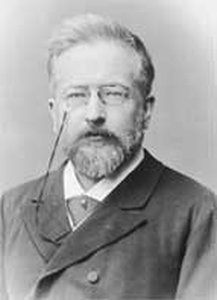
emil jacob schindler
1842 - 1892
Основные сведения
- Birth_Date: 1842
- Death_Date: 1892
- Influenced By: Dutch Masters (Hobbema, Ruisdael)
- Movement: Poetic Realism, Impressionism
- Name: Emil Jakob Schindler
- Nationality: Austrian
- Notable Works:
- Eine Waldschmiede
- Kaisermühlen on the Danube
- Flower Garden in Weissenkirchen
Похожие статьи

Evocations of Place: A Historical Journey Through Landscape Art
Explore the rich history of landscape art with ArtsDot. Discover renowned artists, movements like Impressionism & Romanticism, and expert guidance for collecting timeless pieces. Find your perfect serene escape today!
Evoking Nature's Sublime: A Comprehensive Exploration of 19th-Century Landscape Painting
Explore the captivating world of 19th-century landscape painting! Discover renowned artists like Friedrich & Monet, key movements, and find the perfect artwork to bring nature's serenity into your home. Expert insights at ArtsDot.

Джон Констебль: 25 шедевров английского пейзажа для вашего интерьера
Погрузитесь в мир английского пейзажа с Джоном Констеблом! 25 шедевров романтизма, история создания картин и вдохновение для вашего интерьера. Репродукции высокого качества на ArtsDot.com – искусство для ценителей.

Романтический пейзаж: 10 шедевров, изменивших искусство | ArtsDot.com
Погрузитесь в мир романтического пейзажа! 10 шедевров Фридриха, Тёрнера и других гениев. Узнайте историю создания культовых картин и вдохновитесь для декора интерьера. Репродукции высокого качества на ArtsDot.com.

Evocations of Place: A Historical Journey Through Landscape Art
Explore the rich history of landscape art with ArtsDot. Discover renowned artists, movements like Impressionism & tonalism, and expert guidance for collecting timeless pieces. Find your perfect serene escape today!