 Предпросмотр
 Поделиться
 Поделиться
 Детали произведения

 Скачать
 Похожие работы
 Рентгенография
 Слайд-шоу
 Статистика
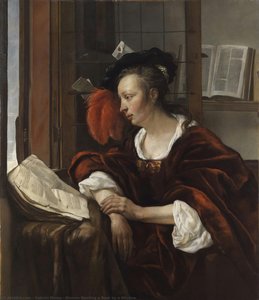
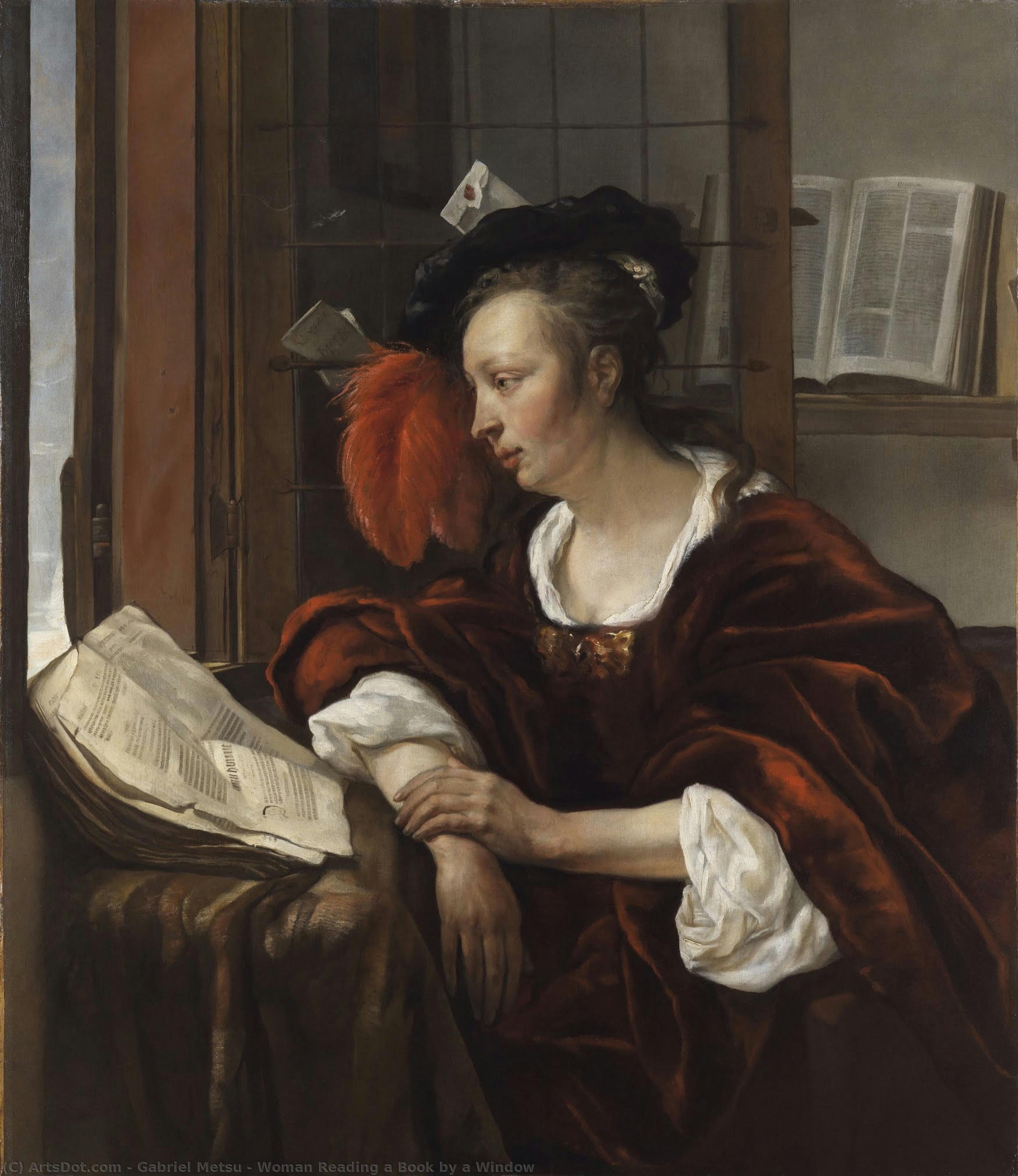
Женщина читает книгу у окна
 Акрил на холсте
- Настенный декор
- Dutch Baroque
 1653
1653 105.0 x 90.0 cm
 The Leiden Collection
 Читать далее
Масляная репродукция ручной работы
Картина маслом на холсте в выбранном вами размере и раме, написанная на заказ нашими художниками. ( Перейти к печати Перейти к цифровым изображениям)




P118B $10

P118H $10

P118W $10

P438Z $10

P508JH $12

P508YH $12

P805H $10

P805Z $10

P919BZ $10

P919G $10

P919XJ $10

P959ZH $10

P968JZ $12

W106C $8

W218G $10

W218JH $8

W218Y $10

W307PJ $10

W316G $10

W316PJ $8

W316Y $10

W398PJ $8

W4111J $10

W500HY $15

W500JH $15

W692G $12

W849H $8

W940BG $15

W953PJ $8




Выберите один из наших стандартных размеров, соответствующих оригинальным пропорциям произведения искусства.

Вы можете указать собственные размеры, чтобы картина идеально вписалась в выбранную раму или пространство. Если выбранный вами размер не соответствует пропорциям оригинала, мы либо обрежем полотно, либо расширим его за счет дополнительных элементов, написанных вручную. Цифровой макет будет отправлен вам на утверждение перед началом производства.
Обратите внимание, что предварительный просмотр на экране не отражает фактическую обрезку или расширение. Только макет точно покажет окончательную композицию.
Хотя доступны индивидуальные размеры, мы рекомендуем выбирать вариант из предопределенного списка, чтобы сохранить исходные пропорции.
После оформления заказа команда ArtsDot.com свяжется с клиентом по электронной почте для уточнения деталей и предоставит предварительный макет
Доставка по всему миру () за 3–4 недели вместо стандартных 5 недель. (11 Сентябрь). Без компромиссов в качестве.

Бесплатная экспресс-доставка по всему миру

Высококачественный льняной холст

Полное страхование доставки

Гарантия возмещения таможенных пошлин

Гарантия точного соответствия цветов

100-дневная политика возврата (только при обнаружении дефектов)

Гарантия возврата 100% средств

Предложение оптовых скидок
 Вариант со стеклом доступен только для размеров менее 110 см

Женщина читает книгу у окна
Техника репродукции
Размер репродукции
-


Итоговая стоимость
$ 263
Gabriel Metsu’s Woman Reading a Book by a Window: A Portrait of Quiet Contemplation
Gabriel Metsu (1629 – 1667), a Dutch painter hailing from Leiden, stands as an enigmatic figure within the illustrious Dutch Golden Age—a period characterized by unparalleled artistic flourishing. His oeuvre defies easy categorization, earning him the moniker “a highly eclectic artist,” and reflecting his unwavering dedication to exploring diverse artistic approaches. This biography delves into Metsu’s life and legacy, examining how his distinctive style cemented his place as one of the era's most celebrated creators. **Early Life and Influences:** Metsu’s formative years were shaped by a familial background steeped in artistry. Born Jacques Metsu, he inherited his father’s craft—tapestry weaving—and subsequently embraced painting under the tutelage of Rembrandt Harmenszoon van Rijn, arguably the most influential painter of his time. Rembrandt's profound impact on Metsu is palpable throughout his artistic output, particularly evident in the masterful use of chiaroscuro – dramatic contrasts between light and dark – a technique championed by Rembrandt himself. Exposure to Leiden’s vibrant cultural milieu further broadened Metsu’s horizons, fostering an appreciation for humanist ideals and intellectual pursuits that would permeate his artistic vision. **Artistic Career: A Symphony of Technique:** Metsu's artistic career unfolded amidst the prevailing stylistic currents of the Golden Age, yet he resolutely resisted adherence to any singular movement. Instead, he cultivated a remarkably versatile style, seamlessly blending realism with idealized beauty—a hallmark of Baroque painting. His canvases frequently depict intimate scenes of domestic life, capturing fleeting moments of grace and serenity. Metsu’s meticulous attention to detail is breathtaking; observe the subtle nuances of drapery folds, the delicate rendering of skin tones, and the luminous quality of light filtering through the windowpane. He favored oil paint on canvas, utilizing glazing techniques—applying thin layers of translucent pigment over subsequent coats—to achieve remarkable depth and luminosity. This painstaking process ensured that every brushstroke conveyed a profound sense of atmosphere and emotion. **The Painting's Narrative Depth:** Metsu’s “Woman Reading a Book by a Window,” completed around 1653, exemplifies his artistic prowess and embodies the spirit of humanist contemplation prevalent during the period. The subject—a young woman absorbed in her reading—is presented with understated elegance against a backdrop of muted colors—primarily ochre and brown—creating an environment conducive to introspection. The inclusion of a feather atop her head adds a symbolic element, hinting at nobility or perhaps representing remembrance – motifs frequently employed by Metsu to convey moral virtue and intellectual refinement. Beyond its visual beauty, the painting speaks volumes about the values cherished during the Golden Age: education, piety, and the pursuit of inner harmony. **Comparative Perspective:** Considering Vermeer’s “Woman Reading a Letter,” another masterpiece of Dutch Baroque art produced around 1662-1663, reveals intriguing parallels and divergences. Both artists skillfully employ chiaroscuro to heighten dramatic effect, yet Vermeer's compositions are characterized by greater spatial precision—creating an illusionistic depth that surpasses Metsu’s approach. However, both paintings share a core aesthetic sensibility: a commitment to capturing fleeting moments of human experience with exquisite sensitivity and artistic virtuosity. “Woman Reading a Book” stands as a testament to Metsu’s enduring legacy – a poignant portrayal of quiet contemplation that continues to resonate with audiences centuries later.- Artist: Gabriel Metsu
- Artistic Style: Realism blended with Baroque idealism.
- Dimensions: 105 x 90 cm
- Medium: Oil on canvas
- Movement: Dutch Golden Age
- Symbolism: The window symbolizes openness to knowledge and introspection; the book represents wisdom and moral virtue.
- Emotional Impact: The painting evokes a sense of serenity, tranquility, and quiet contemplation—inviting viewers to engage in a dialogue with the depicted figure.
Похожие произведения

Биография художника
Gabriel Metsu (1629–1667): A Life Illuminated by Light and Symbol
Gabriel Metsu, a Dutch painter born in Leiden around November 27 or mid-December 1629, stands as one of the most intriguing figures of the Dutch Golden Age. His artistic legacy is characterized not by grand narratives but by intimate scenes bathed in luminous light—domestic interiors populated by women engaged in quiet activities and meticulously rendered still lifes brimming with symbolic detail. This biography seeks to illuminate Metsu’s life and explore the distinctive qualities that define his oeuvre, revealing a painter who defied convention while capturing the essence of his era.Early Life and Influences: The Tapestry Weaver's Son
Gabriel Metsu’s father, Jacques Metsu (c. 1588 – March 1629), was a tapestry weaver hailing from Hainault—a lineage that instilled in Gabriel an appreciation for intricate craftsmanship and visual storytelling. Their relocation to Leiden exposed him to the burgeoning artistic milieu of the city, fostering connections with artists practicing diverse mediums. Notably, Jacques Metsu’s own painting inclinations foreshadowed Gabriel's future path, demonstrating a familial tradition dedicated to capturing beauty through pigment and brushstroke. The family’s modest circumstances underscored the importance of education—Gabriel received instruction from his stepfather, a skipper, ensuring he possessed the foundational skills necessary for pursuing artistic endeavors.Artistic Career: An Eclectic Master
Metsu's artistic trajectory defies easy categorization; he eschewed adherence to any singular stylistic movement or technique, earning him the moniker “a highly eclectic artist.” This freedom of expression manifested across a spectrum of genres—history paintings depicting biblical narratives alongside portraits commemorating noble families and genre scenes portraying everyday life with remarkable realism. Remarkably, only 14 of Metsu’s estimated 133 works bear dates, leaving scholars to reconstruct his artistic development through stylistic analysis and comparative studies. His formative years were profoundly shaped by Rembrandt van Rijn's groundbreaking approach to chiaroscuro—the dramatic interplay of light and shadow—which instilled in Metsu a sensitivity for capturing atmospheric depth and conveying emotional nuance. This influence extended beyond mere technique; Rembrandt’s humanist vision resonated with Metsu’s own belief in portraying human experience with compassion and psychological insight.Amsterdam and the Rise of Domestic Genre Painting
Around 1655, Metsu embarked on a transformative journey to Amsterdam—a city pulsating with artistic innovation and commercial ambition. He established residency in an alleyway on Prinsengracht, nestled amidst a vibrant community of artists and craftsmen. This relocation coincided with a significant stylistic shift, mirroring the broader trend toward domestic genre painting that was gaining prominence during this period. Metsu’s training program included collaborations with Michiel van Musscher and Joost van Geel—artists who championed the pursuit of refined artistic sensibilities. His engagement with the Amsterdam art market reflected his astute understanding of prevailing tastes and demonstrated a willingness to adapt to evolving aesthetic standards.Notable Works: Capturing Moments of Quiet Reflection
Metsu’s paintings frequently depicted young women engaged in domestic tasks—scenes imbued with tenderness and understated beauty—drawing inspiration from popular emblems that conveyed moral lessons through visual symbolism. *The Sick Child*, completed circa 1664–66, exemplifies Metsu's masterful manipulation of light to evoke empathy and convey profound emotion—a technique reminiscent of Vermeer’s celebrated compositions. His portrait of the Hinlopen family stands as a testament to his ability to capture familial bonds with exquisite detail and psychological accuracy. Furthermore, *Poultry Seller*, completed around 1657–61, showcases Metsu's meticulous observation of natural light and color—a hallmark of Leiden School painting. These works underscore Metsu’s commitment to portraying human experience with sensitivity and nuance—capturing fleeting moments of domestic tranquility and conveying subtle expressions of emotion.Legacy: An Artist Ahead of His Time
Gabriel Metsu’s artistic legacy extends beyond his individual masterpieces; he profoundly influenced subsequent generations of painters, fostering a tradition of domestic genre painting that continues to inspire artists today. His unwavering dedication to capturing the beauty of everyday life—combined with his masterful command of light and color—solidifies his position as one of the most enduring figures of the Dutch Golden Age. Metsu’s work serves as a poignant reminder that artistic greatness resides not in grand spectacle but in profound observation and empathetic representation—a legacy illuminated by the radiant glow of remembrance.- Museums housing Metsu's paintings include the Rijksmuseum in Amsterdam.
Габриэль Метс
1629 - 1667 , Нидерланды
Основные сведения
- Artistic Movement Or Style: Dutch Golden Age painting
- Artists Or Movements Influenced By This Artist:
- Michiel van Musscher
- Joost van Geel
- Artists Who Influenced This Artist:
- Rembrandt van Rijn
- Johannes Vermeer
- Date Of Birth: 1629
- Date Of Death: 1667
- Full Name: Gabriel Metsu
- Nationality: Dutch
- Notable Artworks:
- The Sick Child
- Poultry Seller
- Portrait of the Hinlopen Family
- Place Of Birth: Leiden, Netherlands
Похожие статьи

Golden Age Reflections: Dutch Baroque Painting & Cultural Innovation
Explore the Dutch Golden Age of painting! Discover key artists like Vermeer & ter Borch, their innovative techniques, and the rich cultural context behind these Baroque masterpieces. Learn about collecting & appreciating this iconic art period.
Gabriel Metsu: Illuminating Dutch Daily Life with Exquisite Detail
Explore the captivating world of Gabriel Metsu, a leading Dutch Golden Age painter. Discover his exquisite genre scenes, masterful realism, and insightful social commentary. Learn about key works & his lasting legacy.
25 Шедевров Данте Габриэля Россетти: Искусство, Символизм и Декор для Вашего Дома
Погрузитесь в мир Данте Габриэля Россетти! 25 шедевров прерафаэлитов, полных символизма и страсти. Узнайте истории создания культовых картин и найдите идеальный декор для вашего дома на ArtsDot.com – музейное качество, вдохновение и искусство онлайн.

Illuminating Innovation: Exploring the Dutch Golden Age of Painting
Explore the Dutch Golden Age of painting with ArtsDot. Discover Rembrandt, Vermeer & other Masters. Learn about key characteristics, iconic artworks, and lasting influence. Expert insights for collectors & enthusiasts.

Золотой век Голландии: 10 шедевров, изменивших искусство | ArtsDot.com
Погрузитесь в эпоху Золотого века Нидерландов! 10 шедевров Рембрандта, Вермеера и других мастеров. Узнайте истории создания культовых картин и вдохновитесь для интерьера. Репродукции музейного качества на ArtsDot.com.