 Предпросмотр
 Поделиться
 Поделиться
 Детали произведения

 Скачать
 Похожие работы
 Рентгенография
 Слайд-шоу
 Статистика
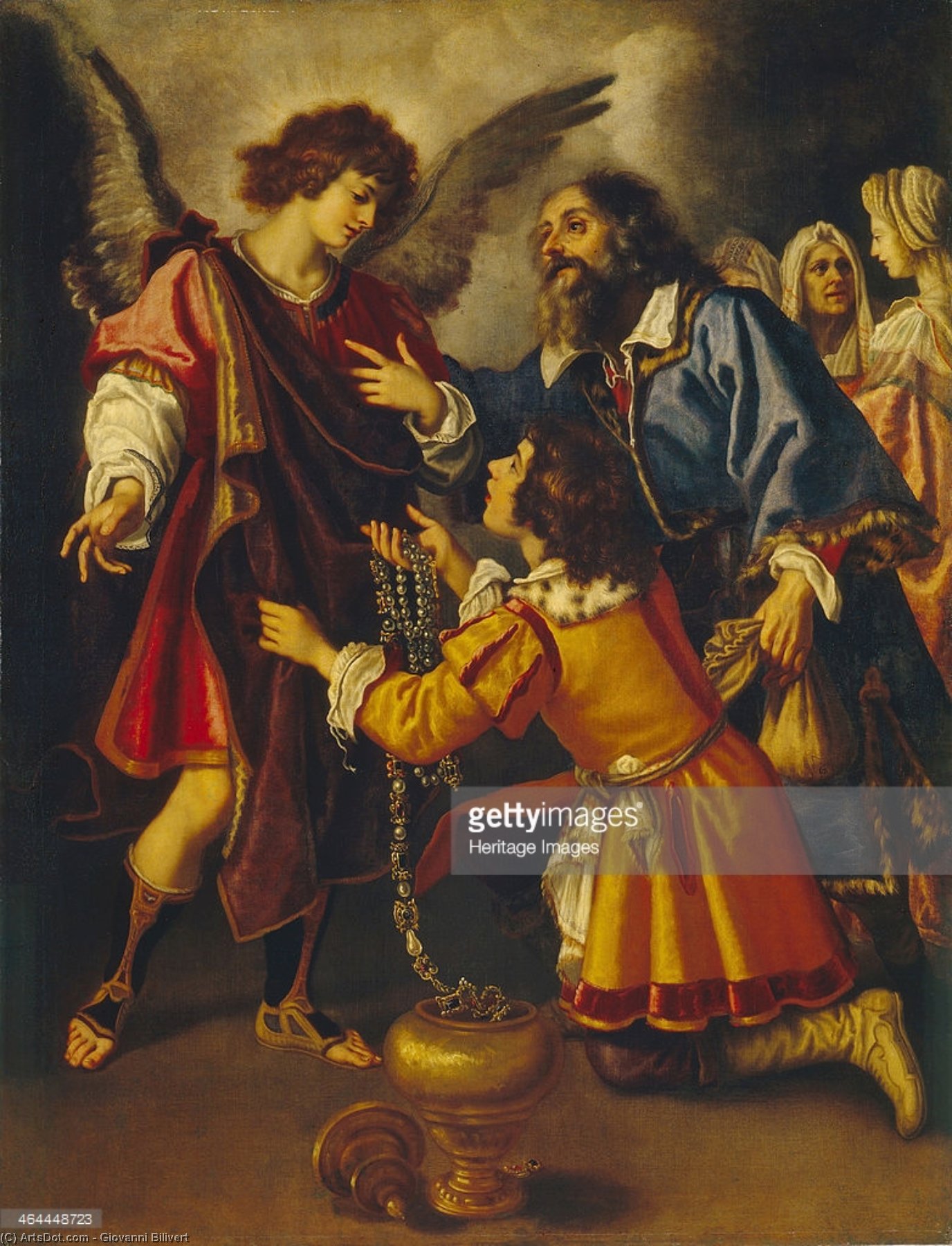
Тобы́с и Анге́л
 Акрил на холсте
- Настенный декор
 1610
1610 189.0 x 145.0 cm
 Эрмитаж
 Читать далее
Масляная репродукция ручной работы
Картина маслом на холсте в выбранном вами размере и раме, написанная на заказ нашими художниками. ( Перейти к печати Перейти к цифровым изображениям)




P118B $10

P118H $10

P118W $10

P438Z $10

P508JH $12

P508YH $12

P805H $10

P805Z $10

P919BZ $10

P919G $10

P919XJ $10

P959ZH $10

P968JZ $12

W106C $8

W218G $10

W218JH $8

W218Y $10

W307PJ $10

W316G $10

W316PJ $8

W316Y $10

W398PJ $8

W4111J $10

W500HY $15

W500JH $15

W692G $12

W849H $8

W940BG $15

W953PJ $8




Выберите один из наших стандартных размеров, соответствующих оригинальным пропорциям произведения искусства.

Вы можете указать собственные размеры, чтобы картина идеально вписалась в выбранную раму или пространство. Если выбранный вами размер не соответствует пропорциям оригинала, мы либо обрежем полотно, либо расширим его за счет дополнительных элементов, написанных вручную. Цифровой макет будет отправлен вам на утверждение перед началом производства.
Обратите внимание, что предварительный просмотр на экране не отражает фактическую обрезку или расширение. Только макет точно покажет окончательную композицию.
Хотя доступны индивидуальные размеры, мы рекомендуем выбирать вариант из предопределенного списка, чтобы сохранить исходные пропорции.
После оформления заказа команда ArtsDot.com свяжется с клиентом по электронной почте для уточнения деталей и предоставит предварительный макет
Доставка по всему миру () за 3–4 недели вместо стандартных 5 недель. (11 Сентябрь). Без компромиссов в качестве.

Бесплатная экспресс-доставка по всему миру

Высококачественный льняной холст

Полное страхование доставки

Гарантия возмещения таможенных пошлин

Гарантия точного соответствия цветов

100-дневная политика возврата (только при обнаружении дефектов)

Гарантия возврата 100% средств

Предложение оптовых скидок
 Вариант со стеклом доступен только для размеров менее 110 см

Тобы́с и Анге́л
Техника репродукции
Размер репродукции
-


Итоговая стоимость
$ 263
A Moment of Reverence: Giovanni Bilivert’s ‘Tobias’s Farewell to the Angel’
Giovanni Bilivert (1585 – 1644), Florentine Mannerist Painter, stands as a testament to the artistic fervor of his era—a period marked by stylistic experimentation and profound spiritual contemplation. His masterpiece, “Tobias’s Farewell to the Angel,” painted in 1610, embodies these qualities exquisitely, offering viewers a glimpse into the aesthetic sensibilities of Renaissance Italy and capturing an emotionally resonant narrative rooted in biblical tradition. This stunning depiction transcends mere visual representation; it's a carefully crafted meditation on faith, humility, and divine grace.The Narrative Landscape: Biblical Storytelling Through Composition
The painting recounts the familiar tale from Tobias’s Book of Tobit—a story detailing how Tobias, accompanied by Raphael, successfully navigated perilous waters to rescue his father from illness and demonic influence. At its core lies a poignant tableau depicting Tobias kneeling before an angel, symbolizing unwavering devotion and acceptance of divine providence. The angel, depicted with serene dignity, holds aloft the Cross – a potent emblem representing Christ’s sacrifice and redemption—while Tobias clutches a chain around his neck, signifying repentance and submission to God's will. This masterful arrangement isn’t accidental; Bilivert employs geometric principles characteristic of Mannerism to create a dynamic yet balanced composition that draws the eye inward toward the central figures. The positioning of other individuals – standing behind and flanking the protagonists – reinforces the sense of solemnity and underscores the importance of communal faith.Technique and Material: Oil on Canvas - A Reflection of Baroque Influence
Bilivert’s technique is distinctly Mannerist, yet subtly anticipates the burgeoning Baroque style that would soon dominate European art. Executed in oil paint on canvas, he utilizes a glazing technique—applying thin layers of translucent pigment over previous coats—to achieve luminous effects and imbue the scene with atmospheric depth. Careful attention to detail is evident in the rendering of drapery folds, facial expressions, and textures – hallmarks of Bilivert’s meticulous craftsmanship. The artist skillfully captures the subtle nuances of light and shadow, creating a palpable sense of realism despite the stylized forms prevalent in Mannerism. Notably, there's an influence from artists like Giovanni Maria Morandi who were experimenting with similar approaches during this transitional period.Symbolism: Faith, Humility, and Divine Grace
Beyond its narrative depiction, “Tobias’s Farewell to the Angel” is laden with symbolic significance. The angel’s Cross serves as a constant reminder of Christian faith and redemption—a central theme throughout biblical scripture. Tobias's kneeling posture embodies humility before God, acknowledging his dependence on divine intervention. The chain symbolizes repentance and purification – representing the spiritual journey toward righteousness. Furthermore, Bilivert’s use of color contributes to the painting’s emotional impact; muted hues dominate the palette, fostering a contemplative mood that invites viewers to contemplate the profound message conveyed by the artwork.A Legacy of Artistic Excellence: Context within Florentine Art
Giovanni Bilivert's work flourished during a period of artistic innovation in Florence—a city at the epicenter of the Renaissance and Baroque movements. He joined the Accademia del Disegno, immersing himself in the intellectual and aesthetic currents shaping the era. His collaboration with Ludovico Cigoli on papal commissions solidified his understanding of Baroque principles – emphasizing dramatic lighting, expressive gestures, and emotional intensity. “Tobias’s Farewell to the Angel” stands as a remarkable achievement within this context—a testament to Bilivert's artistic skill and his ability to translate religious devotion into compelling visual art. It continues to inspire admiration for its beauty and intellectual depth, securing its place among the treasures of Florentine Baroque painting.Похожие произведения
Биография художника
The Florentine Master of Light and Shadow
In the vibrant, transitioning era between the structured elegance of Mannerism and the dramatic intensity of the Baroque, the name Giovanni Bilivert emerges as a luminous figure in the Florentine artistic landscape. Though his roots trace back to the Dutch city of Maastricht—born Jacob Janszoon Bijlevelt to a family of Flemish descent—his soul was irrevocably shaped by the warmth and grandeur of Italy. His journey from the workshops of Delft, where he learned the meticulous craft of his father, the goldsmith and painter Giacomo Giovanni Biliverti, to the prestigious studios of Florence, represents a profound cultural synthesis. This fusion of Northern precision and Italian passion allowed him to develop a style that was both technically rigorous and emotionally resonant.
Bilivert’s early training was a tapestry of diverse influences, beginning with the delicate touch of Alessandro Casolani in Siena. However, it was his pivotal apprenticeship under Lodovico Cardi, famously known as Cigoli, that would define his artistic trajectory. Working alongside Cigoli in Rome between 1604 and 1607, Bilivert was immersed in the high-stakes world of papal commissions under Clement VIII. This period served as a crucible, refining his ability to handle large-scale compositions and instilling in him a deep understanding of the emerging Baroque aesthetic, characterized by a newfound sense of movement and psychological depth.
A Legacy Within the Medici Circle
The year 1609 marked a monumental milestone in Bilivert’s career when he was admitted to the Accademia delle Arti del Disegno in Florence. This prestigious institution, under the direct patronage of the Medici family, provided him with an unparalleled platform to showcase his talents. His relationship with the Florentine court was not merely that of a painter but also of a versatile designer; he contributed significantly to the exquisite pietra dura projects commissioned by Cosimo II de’ Medici. This multidisciplinary expertise allowed him to infuse his canvases with a decorative richness and a tactile quality that mirrored the luxury of the Grand Ducal court.
His oeuvre is a testament to his ability to navigate complex narratives through the masterful use of chiaroscuro. In works such as The Temptation of Charles and Ubalde, Bilivert captures a sense of dramatic tension, utilizing lush landscapes and carefully orchestrated light to guide the viewer's eye through scenes of seduction and moral conflict. His talent for portraying human emotion through subtle gestures and expressive facial features is perhaps most poignant in his biblical depictions, where the divine and the earthly intersect with breathtaking grace.
Masterpieces and Enduring Significance
The enduring power of Bilivert’s art lies in its ability to evoke a sense of wonder and spiritual contemplation. His celebrated works often revolve around themes of protection, farewell, and divine intervention, most notably seen in the Tobias cycle. In 'Tobias’s Farewell to the Angel', the artist achieves a serene yet profound composition that remains one of his most cherished legacies, currently housed in the prestigious Galleria Palatina. Whether he was depicting the Archangel Raphael refusing a gift or the dramatic flaying of Marsyas by Apollo, Bilivert possessed a unique capacity to breathe life into myth and scripture.
As we reflect on his contributions to art history, several key elements define his lasting impact:
- Technical Mastery: His ability to blend the meticulous detail of his Northern heritage with the dramatic lighting techniques of the Italian Baroque.
- Narrative Depth: A profound skill in using composition and gesture to convey complex theological and mythological stories.
- Cultural Bridge: Serving as a vital link between the late Mannerist tradition and the burgeoning Baroque movement within the influential Florentine milieu.
Though his life ended in 1644, the echoes of Giovanni Bilivert’s brushwork continue to resonate through the halls of the world's great museums. He remains a quintessential artist of his age, a painter who could capture the fleeting light of a Tuscan afternoon and the eternal weight of a divine encounter with equal, incomparable brilliance.
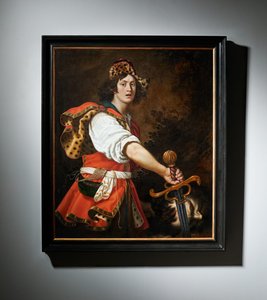
Giovanni Bilivert
1585 - 1644 , Italy
Основные сведения
- Artistic Movement Or Style: Late Mannerism/Early Baroque
- Artists Or Movements Influenced By This Artist: ['Mannerism']
- Artists Who Influenced This Artist: ['Ludovico Cigoli']
- Date Of Birth: August 25, 1585
- Date Of Death: July 16, 1644
- Full Name: Giovanni Biliverti
- Nationality: Italian
- Notable Artworks:
- Tobias's Farewell
- The Temptation of Charles and Ubalde
- The Archangel Raphael Refusing Tobias's Gift
- Place Of Birth: Florence, Italy
Похожие статьи

The Dramatic Flourish: Exploring the Baroque Movement's Enduring Legacy in Art History
Explore the dramatic world of Baroque art! Discover iconic artists like Caravaggio & Rubens, defining techniques, and its lasting impact on art history. Expert insights for collectors & enthusiasts at ArtsDot.
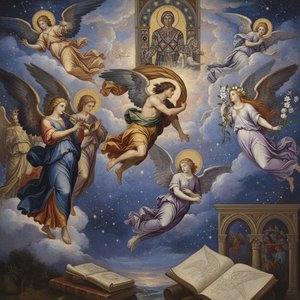
Celestial Messengers: Angels in Painting – A Historical & Artistic Exploration
Explore the captivating history of angels in painting! Discover symbolism, iconic Renaissance & Byzantine masterpieces, and renowned artists. Expert insights for art lovers & collectors at ArtsDot.

10 Шедевров Барокко: Искусство, изменившее мир | ArtsDot.com
Погрузитесь в мир барокко! 10 шедевров Караваджо, Рембрандта и других великих художников. Узнайте историю создания культовых картин и найдите идеальную репродукцию для вашего интерьера на ArtsDot.com

Барочная драма: Искусство величия в современном интерьере
Погрузитесь в мир роскоши и величия барокко! Узнайте об истории стиля, ключевых элементах интерьера и архитектуре. Вдохновляйтесь с и создайте свой неповторимый дизайн.

Celestial Messengers: A Comprehensive Exploration of Angelic Representation in Art History
Explore the captivating history of angels in art! Discover symbolism, iconic Renaissance masterpieces & renowned artists. Expert insights for art lovers & collectors at ArtsDot.