 Предпросмотр
 Поделиться
 Поделиться
 Детали произведения

 Скачать
 Похожие работы
 Рентгенография
 Слайд-шоу
 Статистика
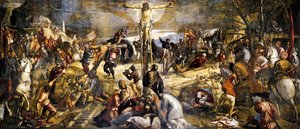
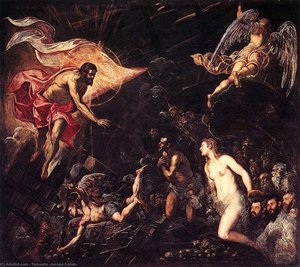
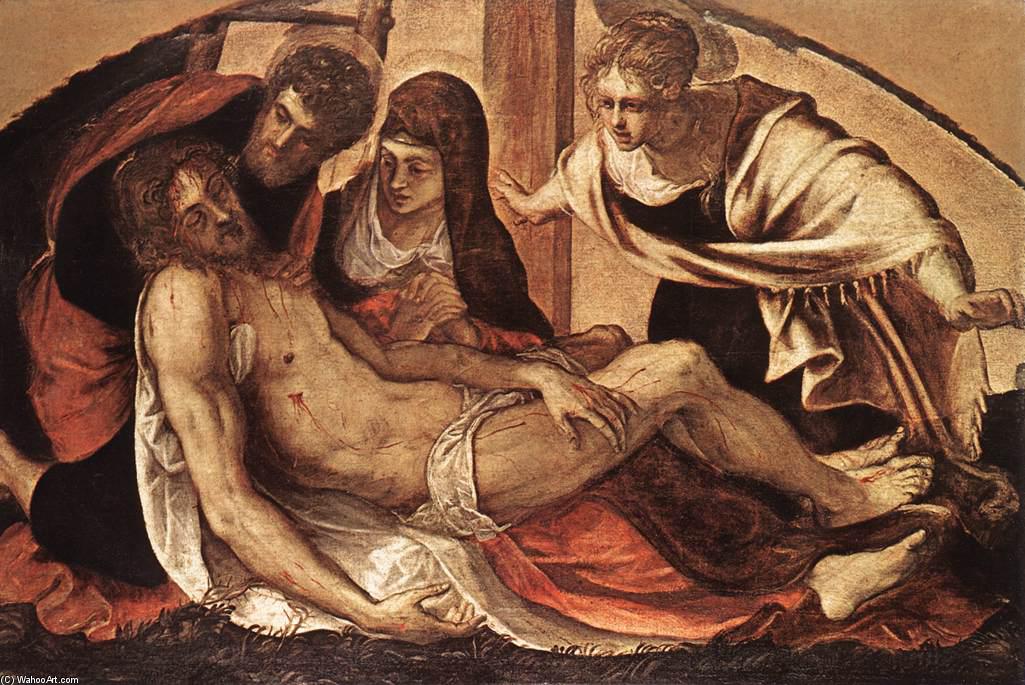
Схождение с Креста
 Масло на холсте
- Настенный декор
- Барокко
 1563
1563- — Раннее Новое время
 108.0 x 170.0 cm
 Пинакотека Брера
 Читать далее
Масляная репродукция ручной работы
Картина маслом на холсте в выбранном вами размере и раме, написанная на заказ нашими художниками. ( Перейти к печати Перейти к цифровым изображениям)




P118B $10

P118H $10

P118W $10

P438Z $10

P508JH $12

P508YH $12

P805H $10

P805Z $10

P919BZ $10

P919G $10

P919XJ $10

P959ZH $10

P968JZ $12

W106C $8

W218G $10

W218JH $8

W218Y $10

W307PJ $10

W316G $10

W316PJ $8

W316Y $10

W398PJ $8

W4111J $10

W500HY $15

W500JH $15

W692G $12

W849H $8

W940BG $15

W953PJ $8




Выберите один из наших стандартных размеров, соответствующих оригинальным пропорциям произведения искусства.

Вы можете указать собственные размеры, чтобы картина идеально вписалась в выбранную раму или пространство. Если выбранный вами размер не соответствует пропорциям оригинала, мы либо обрежем полотно, либо расширим его за счет дополнительных элементов, написанных вручную. Цифровой макет будет отправлен вам на утверждение перед началом производства.
Обратите внимание, что предварительный просмотр на экране не отражает фактическую обрезку или расширение. Только макет точно покажет окончательную композицию.
Хотя доступны индивидуальные размеры, мы рекомендуем выбирать вариант из предопределенного списка, чтобы сохранить исходные пропорции.
После оформления заказа команда ArtsDot.com свяжется с клиентом по электронной почте для уточнения деталей и предоставит предварительный макет
Доставка по всему миру () за 3–4 недели вместо стандартных 5 недель. (10 Сентябрь). Без компромиссов в качестве.

Бесплатная экспресс-доставка по всему миру

Высококачественный льняной холст

Полное страхование доставки

Гарантия возмещения таможенных пошлин

Гарантия точного соответствия цветов

100-дневная политика возврата (только при обнаружении дефектов)

Гарантия возврата 100% средств

Предложение оптовых скидок
 Вариант со стеклом доступен только для размеров менее 110 см

Схождение с Креста
Техника репродукции
Размер репродукции
-


Итоговая стоимость
$ 313
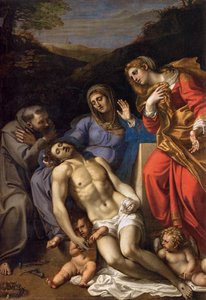
Сцена Глубокой Потери: «Положение во Христе» Тиккано Верроне
Картина «Положение во Христе», созданная великим венецианским мастером Тиккано Верроне (Jacopo Robusti, более известным как Тиццо Вероне), – это не просто религиозное полотно; это взрыв эмоций, воплощенный в драматической манере эпохи барокко. Написанная в 1563 году, эта работа, размером 108 x 170 см, является одним из самых ярких примеров творчества Тиццо Вероне и отражает его новаторский подход к живописи. В центре композиции – тело Христа, снятое с креста, лежащее на специально изготовленном возвышении, окруженное фигурами Богородицы Марии, апостола Иоанна Крестителя и ангела. Эта сцена из «Лamentation over the Dead Christ» (Положение во Христе) – не просто иллюстрация религиозного повествования, а глубокое исследование человеческой боли, веры и надежды.Барочная Драма и Венецианское Искусство
Тиццо Вероне был ключевой фигурой в венецианской школе живописи, известной своим динамичным композиционным решением и смелым использованием мазков. Его «Положение во Христе» – яркий пример этого стиля. В картине ярко выражены принципы барокко: драматическое использование света и тени (чиарускуро), скульптурные формы фигур, подчеркивающие их эмоциональное состояние, и ощущение глубины, созданное с помощью ограниченного пространства. Тиццо Вероне не просто копировал традиции; он превзошел их, придавая живописи невероятную выразительность и динамизм. Его работы отличались от других венецианских мастеров своей смелостью и эмоциональной насыщенностью.Техника и Материалы
Картина написана маслом на холсте. Тиццо Вероне использовал густые слои краски, создавая фактурную поверхность с видимыми мазками кисти. Он мастерски работал с цветом, используя теплые землистые тона – охру, умбру, сиену – в сочетании с яркими акцентами белого и золотого. Его внимание к деталям, особенно в изображении ткани и волос, поразительно реалистично. Мастерское владение техникой письма позволило ему создать ощущение движения и драматизма, запечатлев момент глубочайшего горя и скорби.Символизм и Религиозный Контекст
«Положение во Христе» – это не просто изображение смерти и погребения Иисуса Христа; это символ искупления грехов человечества. В картине изображены ключевые фигуры, каждая из которых имеет свое значение: Богородица Мария, как мать-заступница, апостол Иоанн Креститель, как свидетель страдания Христа, и ангел – посланник небесного мира. Сцена отражает глубокую религиозную веру того времени и является напоминанием о жертве Иисуса за спасение человечества. В картине можно увидеть не только физическую боль, но и духовное потрясение, вызванное осознанием смерти своего Спасителя.Наследие Тиццо Вероне и Его Влияние
Тиццо Вероне оказал огромное влияние на последующие поколения художников. Его новаторский подход к композиции, использованию света и тени, а также выразительности мазка заложили основу для развития барокко в Италии и за ее пределами. Его работы до сих пор можно увидеть в Венеции, в частности, в Scuola Grande di San Rocco, Palazzo Ducale и других значимых местах. «Положение во Христе» – это не просто произведение искусства; это свидетельство гения Тиццо Вероне и его вклада в историю европейской живописи. Приобретая репродукцию этой картины, вы приобретаете не только красивый предмет интерьера, но и частичку великой художественной традиции.Похожие произведения
Биография художника
A Venetian Master of Drama and Light
Jacopo Tintoretto, born Jacopo Robusti in Venice around 1518, remains one of the most compelling and enigmatic figures of the High Renaissance and early Baroque periods. His very nickname, “Tintoretto” – little dyer – speaks to his family’s trade, yet it belies the immense artistry that would distinguish him from all others. Unlike many artists who benefited from structured apprenticeships, Tintoretto's path was largely self-directed, fueled by an insatiable curiosity and a relentless drive for innovation. While accounts suggest a brief and unsuccessful stint under Titian, the acknowledged master of Venetian colorism, it seems the experience proved more contentious than formative. Titian’s alleged dismissal of the young Jacopo – whether due to jealousy or artistic disagreement – spurred Tintoretto toward an independent course, one characterized by audacious experimentation and a uniquely dynamic style. He immersed himself in anatomical study, reportedly through dissection, and honed his skills by meticulously copying classical sculpture and the works of other masters. This dedication laid the foundation for a career that would redefine Venetian painting.Forging a Distinctive Style: *Il Furioso*
Tintoretto’s artistic development was marked by an almost feverish energy, earning him another evocative nickname: *Il Furioso* – “the Furious One.” This moniker wasn't merely descriptive of his working pace but also captured the intensity and emotional charge that permeated his canvases. His early works already hinted at a departure from traditional Venetian conventions. While acknowledging Titian’s influence in color, Tintoretto gravitated towards Michelangelo’s powerful figures and dramatic compositions. He synthesized these influences into something entirely new: a style characterized by elongated forms, swirling draperies, and an innovative use of perspective that often created a sense of dizzying depth and movement. He abandoned the meticulous finish favored by his contemporaries, opting instead for a rapid, almost sketch-like brushstroke that conveyed immediacy and raw emotion. This technique, combined with his masterful manipulation of light and shadow – *chiaroscuro* – allowed him to create scenes of unparalleled drama and psychological intensity. He wasn’t simply depicting events; he was conveying their emotional core. His compositions were often asymmetrical and dynamic, filled with a sense of movement and energy that seemed almost chaotic at first glance, but ultimately revealed a carefully orchestrated balance.Monumental Achievements: San Rocco and Beyond
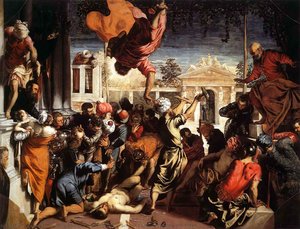
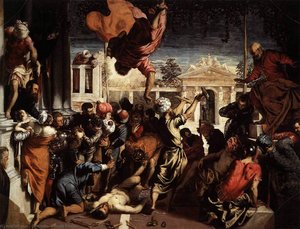
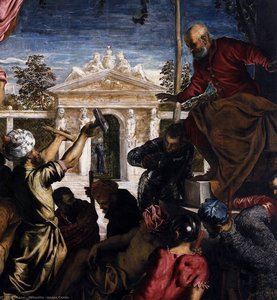
Tintoretto's prodigious output spanned decades, encompassing religious narratives, historical allegories, and portraits. However, his most significant achievement lies in the cycle of paintings he created for the Scuola Grande di San Rocco, a Venetian confraternity dedicated to Saint Roch. Over a period of more than fifty years, Tintoretto adorned the Scuola’s halls with over sixty canvases, transforming it into a breathtaking visual testament to faith and human experience. Works like “The Last Supper,” completed late in his life, demonstrate his continued experimentation with perspective and composition. Departing from traditional depictions, Tintoretto placed the scene in a dramatically lit, architecturally unstable space, emphasizing the emotional turmoil of Christ’s final meal with his disciples. Other notable works include “The Miracle of St Mark Freeing the Slave,” a powerful display of dynamic composition and foreshortening, and numerous paintings for Venetian churches and palaces that showcase his mastery of scale and narrative storytelling. These monumental projects cemented Tintoretto's reputation as one of Venice’s most important artists. He was known to work incredibly quickly, often finishing a painting in just a few days – a remarkable feat considering the scale and complexity of his works.Influences and Artistic Connections
Tintoretto’s artistic journey was shaped by a complex interplay of influences. While he initially sought guidance from Titian, their relationship remained fraught with tension. Michelangelo's powerful figures and dramatic compositions undoubtedly served as a key inspiration, particularly in terms of anatomical accuracy and dynamic movement. The influence of classical sculpture is also evident in his elongated forms and carefully rendered draperies. Furthermore, Tintoretto’s work demonstrates a deep understanding of Venetian painting traditions, but he ultimately forged his own unique style that transcended these conventions. He was known to study the works of other masters, including Paolo Veronese, and his paintings often incorporate elements of Mannerism – characterized by elongated figures, complex compositions, and an emphasis on emotional expression. His contemporaries both admired and criticized his innovative approach, recognizing his genius while questioning his unconventional methods.Legacy and Historical Significance
Jacopo Tintoretto died in Venice in 1594, leaving behind a vast and influential body of work. He bridged the gap between the High Renaissance and the Baroque period, anticipating many of the stylistic innovations that would define the latter. His dramatic compositions, expressive brushwork, and innovative use of light and shadow profoundly influenced artists such as Caravaggio, Rembrandt, and Delacroix. He wasn’t merely a painter; he was a visual storyteller who understood how to harness the power of art to evoke emotion and inspire awe. As one of the three great Venetian painters of the 16th century – alongside Titian and Paolo Veronese – Tintoretto played a crucial role in shaping the artistic landscape of Venice during its golden age. His work reflects not only the religious fervor and political tensions of his time but also a uniquely personal vision that continues to resonate with audiences today, solidifying his place as one of history’s most important and captivating artists. His legacy is a testament to the enduring power of artistic innovation and the transformative potential of human creativity.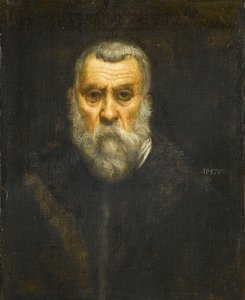
Тинторетто
1518 - 1594 , Италия
Основные сведения
- Artistic Movement Or Style: Ренессанс, Маньеризм
- Artists Or Movements Influenced By This Artist:
- Карваджио
- Барокко
- Artists Who Influenced This Artist:
- Титян
- Микеланджело
- Date Of Birth: 1518
- Date Of Death: 1594
- Full Name: Jacopo Robusti
- Nationality: Итальянский
- Notable Artworks:
- Чудо святого Марка
- Последний ужин
- Воскрешение Лазаря
- Place Of Birth: Венеция, Италия
Похожие статьи
Jacopo Palma il Giovane: A Venetian Master's Poetic Evolution
Explore the captivating world of Jacopo Palma il Giovane, a pivotal Venetian Renaissance master. Discover his unique style, influenced by Titian & Tintoretto, and learn about key works perfect for discerning collectors.

Топ-25 шедевров Тинторетто: Венецианская драма и свет в вашем интерьере
Погрузитесь в мир драматизма и света с 25 шедеврами Тинторетто! Узнайте историю создания легендарных картин эпохи Возрождения. Репродукции высокого качества для вашего интерьера на ArtsDot.com.

The Dramatic Flourish: Exploring the Baroque Movement's Enduring Legacy in Art History
Explore the dramatic world of Baroque art! Discover iconic artists like Caravaggio & Rubens, defining techniques, and its lasting impact on art history. Expert insights for collectors & enthusiasts at ArtsDot.

Барочная драма: Искусство величия в современном интерьере
Погрузитесь в мир роскоши и величия барокко! Узнайте об истории стиля, ключевых элементах интерьера и архитектуре. Вдохновляйтесь с и создайте свой неповторимый дизайн.

10 Шедевров Барокко: Искусство, изменившее мир | ArtsDot.com
Погрузитесь в мир барокко! 10 шедевров Караваджо, Рембрандта и других великих художников. Узнайте историю создания культовых картин и найдите идеальную репродукцию для вашего интерьера на ArtsDot.com