


 Предпросмотр
 Поделиться
 Поделиться
 Детали произведения

 Скачать
 Похожие работы
 Рентгенография
 Слайд-шоу
 Статистика
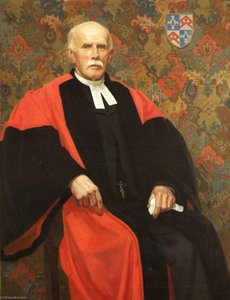
Lieutenant General Sir Charles Broad, KCB, CB, DSO

 Читать далее
Масляная репродукция ручной работы
Картина маслом на холсте в выбранном вами размере и раме, написанная на заказ нашими художниками. ( Перейти к печати Перейти к цифровым изображениям)




































Выберите один из наших стандартных размеров, соответствующих оригинальным пропорциям произведения искусства.

Вы можете указать собственные размеры, чтобы картина идеально вписалась в выбранную раму или пространство. Если выбранный вами размер не соответствует пропорциям оригинала, мы либо обрежем полотно, либо расширим его за счет дополнительных элементов, написанных вручную. Цифровой макет будет отправлен вам на утверждение перед началом производства.
Обратите внимание, что предварительный просмотр на экране не отражает фактическую обрезку или расширение. Только макет точно покажет окончательную композицию.
Хотя доступны индивидуальные размеры, мы рекомендуем выбирать вариант из предопределенного списка, чтобы сохранить исходные пропорции.
После оформления заказа команда ArtsDot.com свяжется с клиентом по электронной почте для уточнения деталей и предоставит предварительный макет
Доставка по всему миру () за 3–4 недели вместо стандартных 5 недель. (15 Сентябрь). Без компромиссов в качестве.

Бесплатная экспресс-доставка по всему миру

Высококачественный льняной холст

Полное страхование доставки

Гарантия возмещения таможенных пошлин

Гарантия точного соответствия цветов

100-дневная политика возврата (только при обнаружении дефектов)

Гарантия возврата 100% средств

Предложение оптовых скидок
 Вариант со стеклом доступен только для размеров менее 110 см

Lieutenant General Sir Charles Broad, KCB, CB, DSO
Техника репродукции
Размер репродукции
-


Итоговая стоимость
$ 263
Похожие произведения









Биография художника
The Master of Meticulous Realism: The Life and Legacy of James Penniston Barraclough
In the golden twilight of the Edwardian era, a period defined by its elegance and social stratification, the name James Penniston Barraclough emerged as a hallmark of dignified portraiture. Born in 1891, Barraclough was more than a mere chronicler of faces; he was an artist capable of capturing the very soul of the British upper echelons. His journey began in the historic landscape of Carlisle, Cumbria, where his early sensibilities were shaped by the rugged beauty and deep-rooted traditions of Northern England. This formative period instilled in him a profound respect for detail and a disciplined approach to observation that would later become the cornerstone of his celebrated career.
To understand the technical brilliance of Barraclough, one must look toward his formal training at the Newcastle upon Tyne School of Art. It was here that he immersed himself in the rigorous traditions of academic painting, mastering the complex language of anatomy, composition, and color theory. This classical foundation allowed him to move beyond simple representation, enabling him to manipulate light and shadow with a sophistication reminiscent of the great masters. His work is often defined by its use of chiaroscuro, a technique where the dramatic interplay between brilliance and darkness sculpts the human form, lending his subjects an almost sculptural presence on the canvas.
A Canvas of Aristocracy and Grace
The breadth of Barraclough’s oeuvre is a testament to his standing within the social fabric of early 20th-century Britain. Between 1923 and 1942, he produced approximately 150 portraits, many of which served as permanent records of the era's most influential figures. His subjects were not merely random sitters but a curated collection of the British aristocracy, clergy, and industrial titans—individuals whose lives were intertwined with the political and social pulse of the nation. Through his brush, the stoic dignity of a statesman or the delicate grace of a noblewoman was rendered with an intimacy that transcended the formal boundaries of commission work.
One cannot discuss his achievements without reflecting on specific masterpieces that highlight his psychological depth. His 1927 portrait, Belinda (Elinor) at Croft, commissioned by Lord Croft, stands as a pinnacle of his ability to blend meticulous realism with emotional nuance. In such works, Barraclough did not merely paint skin and fabric; he captured the subtle gestures and fleeting expressions that reveal character. Similarly, his portrait of Isolde Menges demonstrates his versatility, showcasing how he could apply his mastery of light to capture the vibrant energy of a musician through a lens of classic realism.
Artistic Recognition and Historical Significance
Barraclough’s professional ascent was marked by significant recognition within the most prestigious artistic circles of his time. He was not merely a regional talent but an artist whose work resonated in the great galleries of London. His exhibition history includes notable appearances at:
- The Royal Academy (RA), where his technical prowess earned him respect among the highest tier of British painters.
- The Walker Art Gallery, providing a platform for his work to reach the wider public in Liverpool.
- The Royal Society of Portrait Painters (RP) and the Royal Institute of Oil Painters (ROI), having achieved membership in the latter by 1922.
Though his life was tragically cut short in 1942, Barraclough left behind a visual legacy that serves as a vital window into a vanished world. His paintings act as historical anchors, preserving the poise and prestige of a society on the precipice of immense global change. Today, his work continues to be admired not only for its technical perfection but for its ability to evoke the atmosphere of an era defined by grace, duty, and an enduring sense of dignity.
james penniston barraclough
1891 - 1942
Основные сведения
- Artistic Movement Or Style: Victorian Portraiture
- Artists Or Movements Influenced By This Artist: ['']
- Artists Who Influenced This Artist: ['']
- Date Of Birth: 1891
- Date Of Death: 1942
- Full Name: James Penniston Barraclough
- Nationality: British
- Notable Artworks:
- Isolde Menges
- Sir James Herbert Croft (11th Bt)
- Belinda at Croft
- Place Of Birth: Carlisle