Предпросмотр
 Поделиться
 Поделиться
 Детали произведения

 Скачать
 Похожие работы
 Рентгенография
 Слайд-шоу
 Статистика
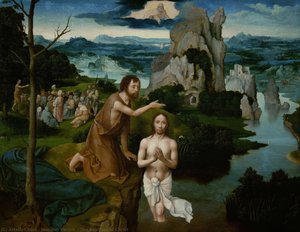
Баптизм Христа
 Масло на холсте
- Настенный декор
- Renaissance Northern
 1520
1520 763.0 x 597.0 cm
 Музей истории искусств (Вена)
 Читать далее
Масляная репродукция ручной работы
Картина маслом на холсте в выбранном вами размере и раме, написанная на заказ нашими художниками. ( Перейти к печати Перейти к цифровым изображениям)




P118B $10

P118H $10

P118W $10

P438Z $10

P508JH $12

P508YH $12

P805H $10

P805Z $10

P919BZ $10

P919G $10

P919XJ $10

P959ZH $10

P968JZ $12

W106C $8

W218G $10

W218JH $8

W218Y $10

W307PJ $10

W316G $10

W316PJ $8

W316Y $10

W398PJ $8

W4111J $10

W500HY $15

W500JH $15

W692G $12

W849H $8

W940BG $15

W953PJ $8




Выберите один из наших стандартных размеров, соответствующих оригинальным пропорциям произведения искусства.

Вы можете указать собственные размеры, чтобы картина идеально вписалась в выбранную раму или пространство. Если выбранный вами размер не соответствует пропорциям оригинала, мы либо обрежем полотно, либо расширим его за счет дополнительных элементов, написанных вручную. Цифровой макет будет отправлен вам на утверждение перед началом производства.
Обратите внимание, что предварительный просмотр на экране не отражает фактическую обрезку или расширение. Только макет точно покажет окончательную композицию.
Хотя доступны индивидуальные размеры, мы рекомендуем выбирать вариант из предопределенного списка, чтобы сохранить исходные пропорции.
После оформления заказа команда ArtsDot.com свяжется с клиентом по электронной почте для уточнения деталей и предоставит предварительный макет
Доставка по всему миру () за 3–4 недели вместо стандартных 5 недель. (12 Сентябрь). Без компромиссов в качестве.

Бесплатная экспресс-доставка по всему миру

Высококачественный льняной холст

Полное страхование доставки

Гарантия возмещения таможенных пошлин

Гарантия точного соответствия цветов

100-дневная политика возврата (только при обнаружении дефектов)

Гарантия возврата 100% средств

Предложение оптовых скидок
 Вариант со стеклом доступен только для размеров менее 110 см

Баптизм Христа
Техника репродукции
Размер репродукции
-


Итоговая стоимость
$ 263
Joachim Patinir и Картина «Баптизм Христа»
Картина «Баптизм Христа», созданная художником Йоахимом Патиниром в 1520 году, является одним из самых значительных произведений искусства эпохи Возрождения Северной Европы и представляет собой яркий пример мирового пейзажа – жанра, который Патинир фактически изобрел. Этот стиль оказал огромное влияние на развитие живописи в Нидерландах и стал основой для последующих поколений художников. Картина находится в коллекции Музея искусств Вены и является одним из самых известных шедевров этого музея.- Художник: Йоахим Патинир (ок. 1480 – 5 октября 1524 г.) был фламандским художником эпохи Возрождения, который специализировался на изображении пейзажей и религиозных сцен. Он родился в Динанте или Бувинье, современный Бельгия, и работал преимущественно в Анверпене, где тогда находился центр художественного рынка в Нидерландах.
- Год создания: 1520 г. Этот период был отмечен расцветом искусства Северной Европы и тесным сотрудничеством художников с Дюрером и Метсисом.
Стиль и Техника
Патнир отличался необычной смелостью в использовании техники живописи и композиции. Его пейзажи отличаются строгой геометрической структурой и отсутствием реалистичности, что было совершенно новым для своего времени. Художник избегал использования традиционной перспективы и предпочитал использовать холодные оттенки цвета – преимущественно голубые и зеленые – чтобы создать ощущение глубины и спокойствия. Особенно впечатляет использование высокого угла обзора и горизонтальной линии земли, что придает картине эпический масштаб и подчеркивает величие природы. Патинир часто работал в сотрудничестве с другими художниками, такими как Квентин Метсис, добавляя фигурам элементы фантазии и символизма.Исторический Контекст и Влияние
Картина «Баптизм Христа» является одним из самых важных произведений искусства своего времени и отражает религиозные идеи эпохи Возрождения. Она была создана в период расцвета гуманистической культуры и вдохновлена традициями живописи итальянского Ренессанса, особенно работами Боттичелли и Леонардо да Винчи. Однако Патинир также был подвержен влиянию творчества Яеронимиуса Босха и адаптировал композиции других художников, таких как Жардар Дэвид, что придает картине уникальный художественный стиль и эмоциональную глубину. Этот стиль оказал влияние на развитие живописи в Нидерландах и особенно на творчество его последователей.Символизм и Эмоциональное Воздействие
Картина передает ощущение духовности и благоговения перед религиозным событием – крещением Иисуса Христа. Центральная фигура картины изображает Иисуса Христа, принимающего крещение от Иоанна Крестителя в живописном пейзаже. Художник использовал символические элементы для передачи идеи очищения и обновления души человека через веру и молитву. Холодные тоны цвета создают атмосферу тишины и спокойствия, а использование высокого угла обзора подчеркивает величие природы и духовное значение события. Картина «Баптизм Христа» остается одним из самых ярких примеров искусства эпохи Возрождения Северной Европы и продолжает вдохновлять художников и зрителей по всему миру.Похожие произведения


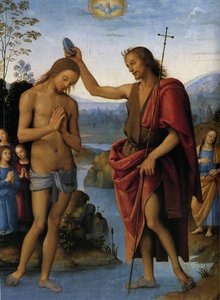
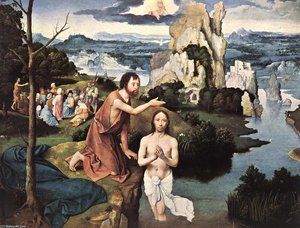
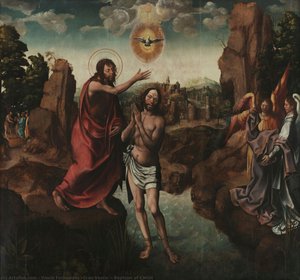
Биография художника
A Pioneer of the Northern Renaissance Landscape
Joachim Patinir, a name often whispered alongside that of Albrecht Altdorfer as a foundational figure in landscape painting, emerged from the artistic milieu of the Low Countries during the early 16th century. Born around 1480, likely in either Bouvignes or Dinant – towns nestled within present-day Belgium’s Wallonia region – Patinir's life remains shrouded in a degree of mystery. What is certain is that he established himself as a prominent artist in Antwerp by 1515, becoming a member of the Guild of Saint Luke and dedicating his career to a genre previously relegated to background detail. He died before October 5th, 1524, leaving behind a legacy that would fundamentally alter the course of Western art. Patinir wasn’t merely depicting landscapes; he was inventing a way of *seeing* them, imbuing them with narrative power and symbolic depth previously unseen.Early Influences and Artistic Development
The artistic currents flowing through the Low Countries at the turn of the 16th century profoundly shaped Patinir's early development. While concrete details about his training are scarce, scholars suggest a possible apprenticeship under Gerard David in Bruges. David’s meticulous realism and attention to detail undoubtedly left an impression on the young artist. However, it was the fantastical world-building of Hieronymus Bosch that arguably exerted the most significant influence. Patinir absorbed Bosch's penchant for imaginative landscapes populated with peculiar creatures and symbolic motifs, but he steered away from the moralizing allegories that characterized Bosch’s work. Instead, Patinir began to explore landscape as an independent entity, capable of conveying meaning in its own right. His early works demonstrate a clear understanding of naturalistic detail, combined with a growing lyrical fantasy—a unique blend that would become his signature style. A journey to Genoa in 1511 alongside David and Adrien Ysenbrandt likely broadened his artistic horizons, exposing him to different visual traditions and further refining his observational skills.Collaboration and the Birth of the “World Landscape”
Patinir’s career flourished within a collaborative environment. He forged close relationships with other leading Antwerp painters, most notably Quentin Metsys. Their joint masterpiece, *The Temptation of St Anthony* (c. 1520-1524), exemplifies their working dynamic: Patinir crafted the expansive and dramatic landscape, while Metsys populated it with figures depicting the saint’s trials. This collaboration highlights a common practice in the Low Countries at the time—the specialization of artistic skills. However, Patinir's contribution transcended mere technical execution; he was actively shaping the narrative through his landscapes. It was during this period that he truly pioneered what Ludwig von Baldass later termed the “Weltlandschaft,” or "world landscape." This style is characterized by panoramic vistas, high viewpoints offering a sweeping perspective, and an intricate layering of natural elements—mountains, forests, rivers, and plains—creating a sense of boundless space. The larger scale of his works, reminiscent of those by Bosch, further emphasized the immersive quality of these landscapes.Symbolism and the Pilgrimage of Life
Patinir’s landscapes were not simply representations of physical places; they were imbued with profound symbolic meaning. While often featuring religious subjects—the Flight into Egypt, the Baptism of Christ, the Penance of Saint Jerome—these narratives were frequently dwarfed by the grandeur of the surrounding environment. Scholars have interpreted these vast vistas as allegories of life’s pilgrimage, drawing parallels to biblical passages that describe humanity as wanderers on Earth, seeking spiritual communion with God. The steep mountains might represent obstacles and challenges, while winding rivers symbolize the journey itself. The distant horizons evoke a sense of longing for an ultimate destination—a heavenly realm beyond earthly concerns. This subtle yet powerful symbolism elevates Patinir’s landscapes beyond mere scenery, transforming them into meditations on faith, mortality, and the human condition. His use of color also played a crucial role; brown tones in the foreground suggest immediacy and physicality, while blues and greens recede into the distance, creating an illusion of depth and vastness.Legacy and Historical Significance
Joachim Patinir’s impact on the development of landscape painting is undeniable. He was the first Netherlandish artist to prioritize landscape as a primary subject, effectively establishing it as an independent genre. His innovative techniques—the high viewpoint, panoramic vistas, and symbolic use of natural elements—would influence generations of artists. Albrecht Dürer, who visited Patinir in 1521 and painted his portrait, famously dubbed him “der gute landschaftsmaler” (“the good painter of landscapes”), a testament to his growing reputation. Patinir’s work also paved the way for other landscape pioneers, such as Herri met de Bles, who further refined the world landscape style. While his career was relatively short, Patinir left an indelible mark on the art world, transforming the way artists and viewers perceived the natural environment. He wasn't just painting landscapes; he was creating a new visual language—a language that continues to resonate with audiences today, inviting us to contemplate the beauty, mystery, and spiritual significance of the world around us.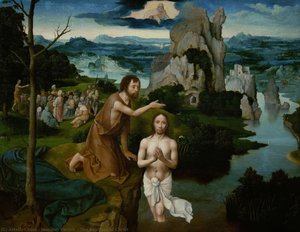
joachim patinir
1483 - 1524
Основные сведения
- Artistic Movement Or Style: Renaissance Landscape
- Artists Or Movements Influenced By This Artist:
- Albrecht Altdorfer
- Herri met de Bles
- Artists Who Influenced This Artist:
- Gerard David
- Hieronymus Bosch
- Date Of Birth: c. 1480
- Date Of Death: 5 October 1524
- Full Name: Joachim Patinir
- Nationality: Flemish
- Notable Artworks:
- The Temptation of St Anthony
- Landscape with the Flight into Egypt
- St. Christopher
- The Penitence of Saint Jerome
- Place Of Birth: Dinant, Belgium
Похожие статьи
Jan Brueghel the Elder: A Master of Flemish Landscape & Allegory – Exploring Innovation & Influence
Explore the captivating world of Jan Brueghel the Elder, a Flemish Baroque master renowned for his stunning landscapes & allegorical paintings. Discover his collaborations with Rubens and lasting artistic legacy.
Топ-25 шедевров Клода Моне: Искусство света и импрессионизма для вашего интерьера
Погрузитесь в мир Клода Моне! 25 шедевров импрессионизма, от "Водных лилий" до знаменитых пейзажей. Узнайте историю создания картин и вдохновитесь для декора интерьера. Репродукции музейного качества на ArtsDot.com.

Топ-25 шедевров Василия Кандинского: Абстрактное искусство для вашего интерьера
Погрузитесь в мир абстрактного искусства с Василием Кандинским! 25 шедевров экспрессионизма, баухауса и русского авангарда. Репродукции картин Кандинского для вдохновения и декора вашего интерьера. Откройте всю коллекцию на ArtsDot.com

25 Шедевров Поля Сезанна: Открывая Новую Эру в Искусстве | ArtsDot
Откройте для себя 25 величайших шедевров Поля Сезанна! Узнайте истории создания картин импрессионизма и постимпрессионизма, технику художника и вдохновение для вашего интерьера. Репродукции картин Сезанна высокого качества на ArtsDot.com.
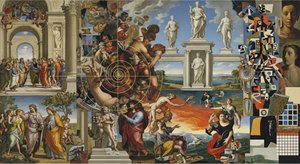
The Eloquence of Arrangement: Compositional Strategies in Western Art from the Renaissance to Modernism
Explore the evolution of compositional strategies in Western art! Discover how masters like Raphael & Zurbaran used perspective, proportion, and dynamic arrangement to create timeless masterpieces. Enhance your art appreciation today!