


 Предпросмотр
 Поделиться
 Поделиться
 Детали произведения

 Скачать
 Похожие работы
 Рентгенография
 Слайд-шоу
 Статистика
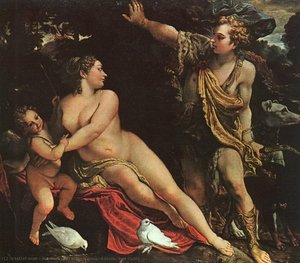
Mars, Venus and Cupid
 Oil
Oil- WallArt
- Baroque Art
 1630
1630- Early Modern
 112.0 x 80.0 cm
 Эрмитаж
 Читать далее
Масляная репродукция ручной работы
Картина маслом на холсте в выбранном вами размере и раме, написанная на заказ нашими художниками. ( Перейти к печати Перейти к цифровым изображениям)




P118B $10

P118H $10

P118W $10

P438Z $10

P508JH $12

P508YH $12

P805H $10

P805Z $10

P919BZ $10

P919G $10

P919XJ $10

P959ZH $10

P968JZ $12

W106C $8

W218G $10

W218JH $8

W218Y $10

W307PJ $10

W316G $10

W316PJ $8

W316Y $10

W398PJ $8

W4111J $10

W500HY $15

W500JH $15

W692G $12

W849H $8

W940BG $15

W953PJ $8




Выберите один из наших стандартных размеров, соответствующих оригинальным пропорциям произведения искусства.

Вы можете указать собственные размеры, чтобы картина идеально вписалась в выбранную раму или пространство. Если выбранный вами размер не соответствует пропорциям оригинала, мы либо обрежем полотно, либо расширим его за счет дополнительных элементов, написанных вручную. Цифровой макет будет отправлен вам на утверждение перед началом производства.
Обратите внимание, что предварительный просмотр на экране не отражает фактическую обрезку или расширение. Только макет точно покажет окончательную композицию.
Хотя доступны индивидуальные размеры, мы рекомендуем выбирать вариант из предопределенного списка, чтобы сохранить исходные пропорции.
После оформления заказа команда ArtsDot.com свяжется с клиентом по электронной почте для уточнения деталей и предоставит предварительный макет
Доставка по всему миру () за 3–4 недели вместо стандартных 5 недель. (11 Сентябрь). Без компромиссов в качестве.

Бесплатная экспресс-доставка по всему миру

Высококачественный льняной холст

Полное страхование доставки

Гарантия возмещения таможенных пошлин

Гарантия точного соответствия цветов

100-дневная политика возврата (только при обнаружении дефектов)

Гарантия возврата 100% средств

Предложение оптовых скидок
 Вариант со стеклом доступен только для размеров менее 110 см

Mars, Venus and Cupid
Техника репродукции
Размер репродукции
-


Итоговая стоимость
$ 263
A Portrait of Mythic Harmony: Exploring Joachim von Sandrart’s Mars, Venus and Cupid
Joachim von Sandrart's “Mars, Venus and Cupid,” painted circa 1630, transcends mere visual representation; it embodies a profound engagement with humanist ideals and the burgeoning spirit of Baroque art. More than just a depiction of three figures—the warrior god Mars, the goddess Venus, and Eros (Cupid)—this artwork speaks volumes about the artistic sensibilities of its time and continues to resonate with audiences today. Produced during the Heidelberg Catechism era, a period marked by fervent religious reform in Protestant Germany, Sandrart’s work reflects a desire for intellectual clarity alongside aesthetic grandeur.- Subject Matter & Composition: The painting portrays Mars, Venus, and Cupid in an opulent setting, seated upon a chair—a deliberate choice that elevates the figures to a position of authority and dignity. Their postures convey composure and grace, indicative of the humanist preoccupation with idealized beauty and virtue. The inclusion of a bowl adds a subtle element of domestic tranquility, juxtaposed against the mythological drama unfolding before us.
- Style & Technique: Sandrart’s style aligns squarely within the Baroque tradition, characterized by dramatic chiaroscuro—the masterful manipulation of light and shadow—that imbues the scene with palpable emotion. The artist employs meticulous detail in rendering textures and drapery, demonstrating a commitment to realism tempered by artistic license. His brushstrokes are smooth and confident, conveying both precision and expressive dynamism.
Symbolism: Echoes of Classical Mythology & Renaissance Humanism
The figures themselves carry significant symbolic weight. Mars represents military strength and courage—values championed during the Reformation’s defense against Catholic Habsburg rule. Venus embodies feminine beauty, fertility, and love—concepts central to humanist thought that celebrated human potential and spiritual aspiration. Cupid, as Eros, symbolizes desire and divine grace, mediating between earthly passions and celestial harmony. These mythological references weren't simply decorative; they served as vehicles for conveying moral lessons about virtue and righteousness – a hallmark of the Baroque’s didactic purpose.- Historical Context: “Mars, Venus and Cupid” emerged from Heidelberg University, where Sandrart lectured on classical literature and philosophy. This intellectual milieu profoundly influenced his artistic vision, prompting him to explore themes of heroism, piety, and the pursuit of spiritual enlightenment—values that mirrored the broader cultural landscape of 17th-century Germany.
- Emotional Impact: The painting’s luminous chiaroscuro creates an atmosphere of contemplative grandeur. Viewers are drawn into a scene brimming with emotional intensity, capturing not only the physical beauty of the figures but also their inner states—a testament to Sandrart's ability to translate philosophical concepts into compelling visual narratives.
Sandrart’s Legacy: Shaping Art History & Inspiring Reproduction
Joachim von Sandrart’s contribution extends far beyond the canvas itself. He is credited with establishing ‘Teutsche Academie,’ a German equivalent of the Dutch Accademia Naturae et Arte—a pivotal institution for fostering artistic scholarship and promoting the study of classical art. His meticulous cataloguing of paintings in Prague, undertaken before his departure for Rome, remains an invaluable resource for scholars investigating Baroque aesthetics. Today, ArtsDot offers exceptional reproductions of “Mars, Venus and Cupid,” allowing collectors and interior designers alike to experience Sandrart’s masterpiece's beauty and intellectual depth—a timeless reminder of the power of art to illuminate both history and human emotion.Похожие произведения
Биография художника
Joachim von Sandrart: A Bridge Between Baroque Vision and Artistic History
Joachim von Sandrart, a figure often overshadowed by the titans of the Baroque era, nevertheless stands as a pivotal artist and intellectual whose legacy extends far beyond his captivating paintings. Born in Frankfurt am Main in 1606 to a family with deep roots in Mons, Belgium, he wasn’t merely a painter; he was a conduit between artistic creation and meticulous historical documentation – a rare convergence of talent that shaped the course of 17th-century art history.
Sandrart's early life laid the groundwork for his future pursuits. He received initial instruction in drawing, nurtured by familial connections to artists and scholars. However, it was a youthful ambition to master engraving that propelled him towards Prague at the tender age of fifteen. There, under the tutelage of Aegidius Sadeler, a prominent member of a renowned family of engravers, Sandrart honed his technical skills and began to understand the power of visual representation. Sadeler recognized Sandrart’s potential, encouraging him to explore painting – a decision that would irrevocably alter the trajectory of his career.
The Caravaggisti Influence and Italian Awakening
Utrecht in 1625 marked a transformative period for Sandrart. He became a pupil of Gerrit van Honthorst, a leading figure within the Utrecht *Caravaggisti* movement – a group known for their dramatic use of light and shadow, echoing the style pioneered by Caravaggio. This immersion in the *tenebrismo*, the stark contrast between light and dark, profoundly influenced Sandrart’s artistic sensibilities. A particularly significant event occurred in 1627 when Peter Paul Rubens himself sought out Honthorst for collaboration on his monumental *Marie de' Medici* cycle in London. Sandrart accompanied Honthorst on this venture, gaining invaluable experience working alongside one of the Baroque period’s most celebrated masters – a direct exposure to the dynamism and expressive power of Rubens’ style.
Driven by an insatiable curiosity, Sandrart embarked on a grand tour of Italy in 1627. He immersed himself in the artistic heartland of Europe, exploring Venice, Bologna, Florence, and Rome. He joined the *Bentvueghels* brotherhood – a vibrant society of predominantly Dutch and Flemish artists who embraced a spirit of artistic freedom and often adopted satirical nicknames – providing him with access to a network of fellow artists and a unique perspective on the art world. During this period, he developed his skills as a portrait painter, capturing the likenesses of prominent figures while simultaneously refining his technique and absorbing the diverse influences of Italian art.
Amsterdam’s Recognition and the *Teutsche Academie*
By 1637, political instability and the threat of plague prompted Sandrart and his wife to seek refuge in Amsterdam. This relocation proved to be a turning point in his career. He flourished as both a painter of genre scenes and portraits, quickly gaining recognition within the city’s thriving artistic community. The culmination of this success arrived with a prestigious commission from the Bicker Company of the Amsterdam *Schutterij* (militia). He was tasked with creating a monumental commemorative piece celebrating the state visit of Maria de' Medici in 1638 – a painting now housed within the Rijksmuseum that stands as a testament to his artistic prowess and the city’s growing prominence on the European stage. The commission not only showcased Sandrart’s skill but also symbolized Amsterdam’s formal recognition through its connection with France.
However, after the death of his wife in 1672, Sandrart shifted his focus to a monumental undertaking: the writing of art history. This endeavor culminated in the publication of the *Teutsche Academie der edlen Bau-, Bild- und Mahlerey-Künste* (The German Academy of Noble Arts of Architecture, Sculpture and Painting) between 1675 and 1680. Inspired by Karel van Mander’s *Schilder-boeck* and Giorgio Vasari's biographies, Sandrart compiled a comprehensive collection of biographical sketches of Dutch and German artists – a groundbreaking work that became an invaluable resource for understanding the artistic landscape of the time. The *Teutsche Academie* is not without its imperfections—notably his misattribution regarding Hendrick ter Brugghen—but it remains a vital primary source for scholars studying 17th-century art, offering insights into the lives, techniques, and influences of numerous painters, sculptors, and architects.
A Lasting Legacy
Sandrart’s dedication to documenting the contributions of his contemporaries ensured that their achievements would not be forgotten. He died in Nuremberg in 1688, leaving behind a legacy that extends far beyond his paintings – a legacy rooted in his commitment to preserving and celebrating the artistic heritage of his time. His *Teutsche Academie* stands as a testament to his intellectual curiosity and his profound understanding of art history, solidifying his place as one of the earliest systematic art historians of the German-speaking world.
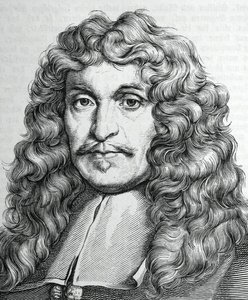
Йоахим Фон Сандрарт
1606 - 1688 , Германия
Основные сведения
- Artistic Movement Or Style: Барокко
- Artists Or Movements Influenced By This Artist: ['Голландская школа живописи']
- Artists Who Influenced This Artist:
- Герерт ван Хонторст
- Рубенс
- Аэгидийс Саделер
- Date Of Birth: 1606
- Date Of Death: 1688
- Full Name: Joachim von Sandrart
- Nationality: Немецкий
- Notable Artworks:
- Герцог Максимилиан I
- Офицеры и городская гвардия
- Питер Корнелиссионс Хуорстт
- Place Of Birth: Франкфурт-на-Майне, Германия
Похожие статьи

The Dramatic Flourish: Exploring the Baroque Movement's Enduring Legacy in Art History
Explore the dramatic world of Baroque art! Discover iconic artists like Caravaggio & Rubens, defining techniques, and its lasting impact on art history. Expert insights for collectors & enthusiasts at ArtsDot.
Decoding Baroque Grandeur: A Guide to the Drama and Emotion of 17th-Century Art
Explore the breathtaking drama of 17th-century Baroque art. Our expert guide decodes the use of chiaroscuro, emotional intensity, and historical grandeur to help you appreciate and curate timeless masterpieces for your collection.

Барочная драма: Искусство величия в современном интерьере
Погрузитесь в мир роскоши и величия барокко! Узнайте об истории стиля, ключевых элементах интерьера и архитектуре. Вдохновляйтесь с и создайте свой неповторимый дизайн.

10 Шедевров Барокко: Искусство, изменившее мир | ArtsDot.com
Погрузитесь в мир барокко! 10 шедевров Караваджо, Рембрандта и других великих художников. Узнайте историю создания культовых картин и найдите идеальную репродукцию для вашего интерьера на ArtsDot.com

The Visceral Stage: Exploring Dramatic Narratives & Emotional Intensity in Baroque Art
Explore the dramatic world of Baroque art! Discover iconic masters like Caravaggio & Rembrandt, their techniques, and the movement's lasting impact. Expert insights for collectors & enthusiasts at ArtsDot.