 Предпросмотр
 Поделиться
 Поделиться
 Детали произведения

 Скачать
 Похожие работы
 Рентгенография
 Слайд-шоу
 Статистика
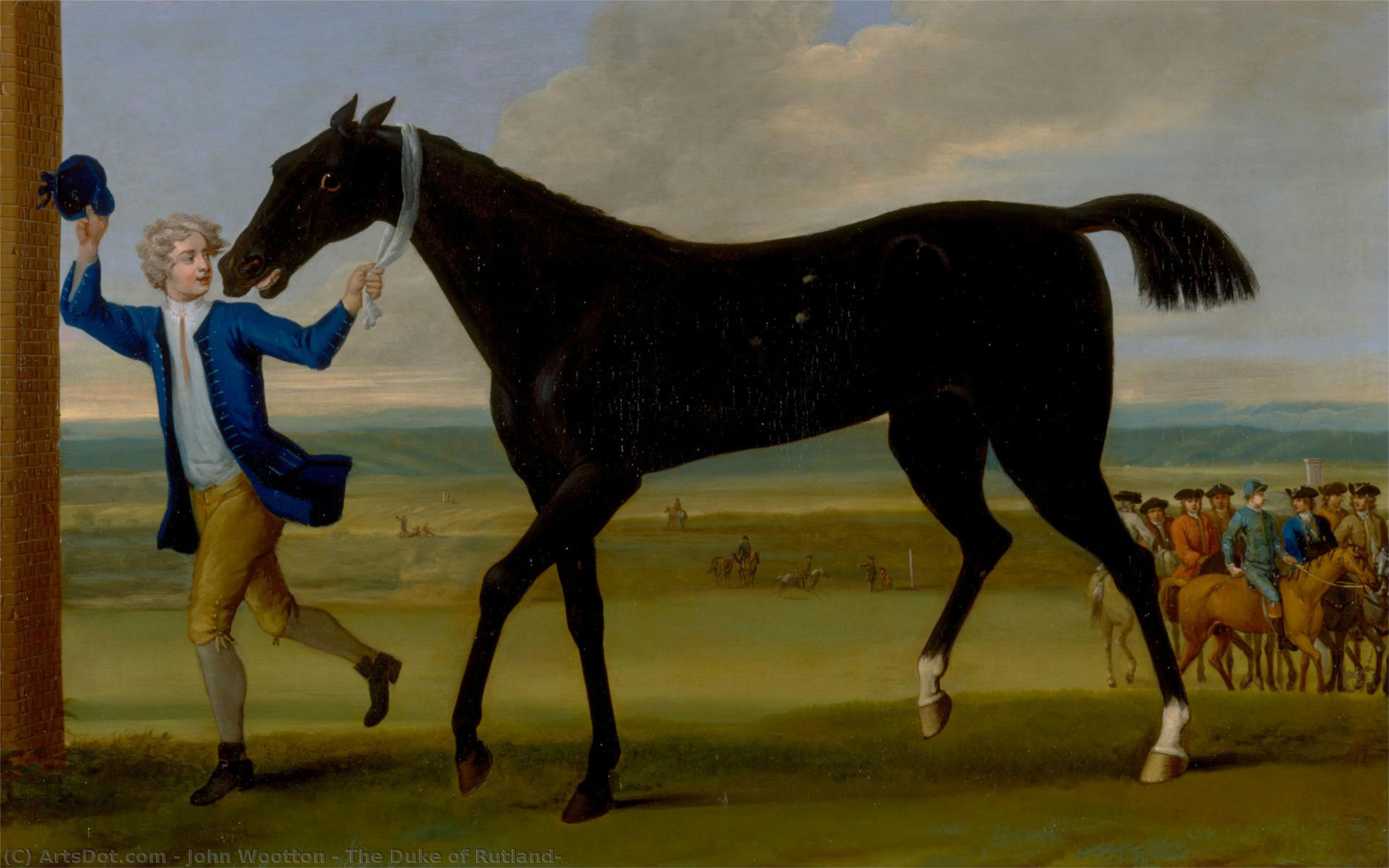
Лорд Рутланд
 Масло на холсте
- Настенный декор
- Baroque Romanticism
 1715
1715 76.0 x 123.0 cm
 Йельский центр британского искусства
 Читать далее
Масляная репродукция ручной работы
Картина маслом на холсте в выбранном вами размере и раме, написанная на заказ нашими художниками. ( Перейти к печати Перейти к цифровым изображениям)




P118B $10

P118H $10

P118W $10

P438Z $10

P508JH $12

P508YH $12

P805H $10

P805Z $10

P919BZ $10

P919G $10

P919XJ $10

P959ZH $10

P968JZ $12

W106C $8

W218G $10

W218JH $8

W218Y $10

W307PJ $10

W316G $10

W316PJ $8

W316Y $10

W398PJ $8

W4111J $10

W500HY $15

W500JH $15

W692G $12

W849H $8

W940BG $15

W953PJ $8




Выберите один из наших стандартных размеров, соответствующих оригинальным пропорциям произведения искусства.

Вы можете указать собственные размеры, чтобы картина идеально вписалась в выбранную раму или пространство. Если выбранный вами размер не соответствует пропорциям оригинала, мы либо обрежем полотно, либо расширим его за счет дополнительных элементов, написанных вручную. Цифровой макет будет отправлен вам на утверждение перед началом производства.
Обратите внимание, что предварительный просмотр на экране не отражает фактическую обрезку или расширение. Только макет точно покажет окончательную композицию.
Хотя доступны индивидуальные размеры, мы рекомендуем выбирать вариант из предопределенного списка, чтобы сохранить исходные пропорции.
После оформления заказа команда ArtsDot.com свяжется с клиентом по электронной почте для уточнения деталей и предоставит предварительный макет
Доставка по всему миру () за 3–4 недели вместо стандартных 5 недель. (11 Сентябрь). Без компромиссов в качестве.

Бесплатная экспресс-доставка по всему миру

Высококачественный льняной холст

Полное страхование доставки

Гарантия возмещения таможенных пошлин

Гарантия точного соответствия цветов

100-дневная политика возврата (только при обнаружении дефектов)

Гарантия возврата 100% средств

Предложение оптовых скидок
 Вариант со стеклом доступен только для размеров менее 110 см

Лорд Рутланд
Техника репродукции
Размер репродукции
-


Итоговая стоимость
$ 263
О герцоге Рутланде
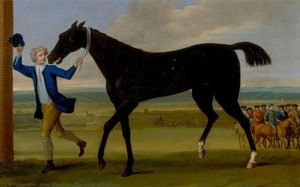
Этот живописный портрет герцога Рутландского был создан Джоном Вуттоном в 1715 году и представляет собой выдающееся произведение английской спортивной живописи эпохи Георгия II. Картина поражает своей необычной смесью классических элементов и фантастической символики, что делает ее поистине уникальной среди произведений искусства того времени. Художник мастерски передает атмосферу роскошного поместья и подчеркивает статус своего заказчика – влиятельного дворянина Рутландского рода.- Тема: Портрет герцога Рутландского вместе со своим конем является центральным элементом работы Вуттона. Конь изображен в динамичной позе и демонстрирует уверенное движение, что отражает любовь к лошадям и традициям английской аристократии.
- Стиль: Работа принадлежит стилю спортивной живописи, который характеризуется стремлением передать энергию движения и красоту природы. Вуттон использовал элементы классической живописи для создания элегантной композиции и подчеркивания статуса изображенного человека.
- Техника: Художник работал в технике масляной живописи на холсте, что обеспечило ему высокую степень детализации и реалистичности изображения. Использование темных оттенков создает драматическую атмосферу и усиливает эмоциональное воздействие картины.
Интересно отметить использование символических элементов в картине. Кони часто ассоциируются с силой, благородством и свободой – качествами, которые особенно ценятся в английской культуре того времени. Кроме того, поза герцога Рутландского выражает уверенность и достоинство, что является важным аспектом портретной живописи.
- Исторический контекст: Картина была создана во время правления Георгия II, который был известен своей любовью к охоте и лошадям. Этот факт отражается в выборе темы работы и детальном изображении коня и окружающей среды.
- Эмоциональное воздействие: Живописный портрет вызывает ощущение спокойствия и элегантности благодаря использованию мягких тонов и гармоничной композиции. Картина передает дух эпохи и приглашает зрителя окунуться в мир английской аристократии XVIII века.
Художник Джон Вуттон был одним из самых известных представителей спортивной живописи своего времени и оказал значительное влияние на развитие английского искусства. Его работы отличаются высоким уровнем мастерства и вниманием к деталям, что делает их особенно привлекательными для коллекционеров и любителей искусства.
Дополнительная информация: Картина была приобретена Яельским центром британского искусства и является частью коллекции английской живописи XVIII века. Она демонстрирует выдающиеся навыки художника и отражает эстетические идеалы своего времени. Более подробную информацию о произведении можно найти на сайте Yale Center for British Art.Похожие произведения
Биография художника
A Pioneer of Sporting Art: The Life and Legacy of John Wootton
John Wootton, born around 1686 in the picturesque Warwickshire village of Snitterfield, near the historic town of Stratford-upon-Avon, emerged as a truly remarkable figure – a pivotal innovator in the burgeoning world of British sporting art. While the precise details of his early life remain somewhat shrouded in the mists of time, it’s believed he entered the service of the esteemed Beaufort family at a young age, an experience that undoubtedly instilled within him a profound appreciation for equestrian pursuits and the refined social circles surrounding aristocratic households. His artistic journey commenced with formal training under Jan Wyck during the 1690s – a period where he honed his foundational skills in draftsmanship and painting techniques, establishing a solid base upon which to build an exceptionally successful career. Even in these formative years, Wootton demonstrated an innate gift for capturing the essence of horses, foreshadowing his future mastery of equine portraiture as evidenced by his earliest known work, “Bonny Black” (1711) – a captivating piece that hinted at the brilliance yet to come.Establishing a Reputation and Artistic Innovation
By 1706, Wootton had firmly established himself in London, rapidly gaining recognition for his evocative depictions of horses, particularly those gracing the vibrant racing scene at Newmarket. He wasn’t merely documenting these magnificent animals; he was imbuing them with spirit, power, and a distinct sense of character – achieving an unprecedented level of detail and sensitivity that set him apart. This specialization brought him into close contact with Britain's elite – a patronage that included figures as prominent as George II and Frederick, Prince of Wales. Wootton actively engaged within the artistic community, subscribing to the first English Academy of Painting and Drawing in 1711 and later serving as a steward of the Virtuosi Club of St Luke’s by 1717 – demonstrating his commitment to fostering intellectual discourse and collaborative artistic endeavors. However, Wootton's contribution extended far beyond simply painting horses; he was a key figure in introducing what became known as the “ideal landscape” to British art – a style deeply influenced by artists like Gaspard Dughet (also known as Gaspar van Wittel). By incorporating classical elements into his landscapes, he offered a refreshing alternative to the prevailing Dutch and Flemish styles, laying the groundwork for future generations of British landscape painters.Mastering the Canvas: Style and Major Works
Wootton’s artistic style is characterized by meticulous detail, a remarkably realistic rendering of animals, and a harmonious blend of figure and landscape painting. He possessed an exceptional ability to observe and then idealize, creating works that were both aesthetically pleasing and reflective of the sporting culture of his time. His equine portraits are arguably his most celebrated achievement – paintings like “The Bloody-Shouldered Arabian” showcase not only technical skill but also a deep understanding of anatomy and character. These weren’t merely representations; they were imbued with life, capturing the individual personality of each horse. Beyond individual horse portraits, Wootton excelled at depicting lively hunting scenes and equestrian activities, often incorporating "conversation pieces" – elaborate compositions that featured riders, hounds, and picturesque settings – designed to be displayed in aristocratic homes. These works weren’t simply records of events; they were carefully constructed narratives that captured the social dynamics and leisurely pursuits of the British aristocracy. His landscapes, while sometimes overshadowed by his animal paintings, demonstrate a refined understanding of perspective, composition, and atmospheric effects, further solidifying his position as a versatile and innovative artist. Works like “Viscount Weymouth’s Hunt” exemplify this skill, portraying aristocratic leisure with classic style and rich detail.Influences and Historical Context
Wootton's artistic development was shaped by several key influences. His early training under Jan Wyck provided him with a solid foundation in draftsmanship and painting techniques. He also drew inspiration from the works of Gaspard Dughet, whose classical landscapes influenced his own approach to composition and color. Furthermore, Wootton’s close association with the aristocratic elite exposed him to the latest artistic trends and allowed him to cultivate a sophisticated understanding of contemporary taste. His work reflects not only his technical skill but also the prevailing social values of the 18th century – a period marked by a fascination with hunting, equestrianism, and the pursuit of refined leisure. He bridged the gap between earlier traditions and the emerging styles that would define 18th-century British art.A Lasting Influence and Historical Significance
While later artists such as George Stubbs – whose anatomical precision surpassed Wootton's – gained greater prominence in the field of animal painting, John Wootton’s pioneering role remains undeniable. He established sporting art as a legitimate genre, paving the way for subsequent artists to explore this subject matter with increasing sophistication. His introduction of the ideal landscape style had a lasting impact on British painting, influencing generations and contributing to the development of a distinctly British aesthetic sensibility. He stands as a testament to the power of observation, innovation, and the enduring appeal of capturing the beauty and dynamism of both the natural world and the aristocratic pursuits that defined his era. Today, Wootton’s works are held in prestigious collections worldwide – including the Tate Gallery (London), the Virginia Museum of Fine Arts (Richmond), and the Yale Center for British Art – ensuring his legacy continues to be appreciated by art enthusiasts.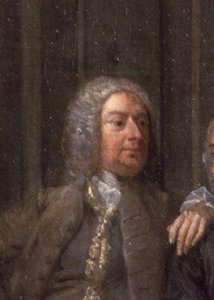
Джон Вуттон
1682 - 1764 , Великобритания
Основные сведения
- Artistic Movement Or Style: Sporting art, Landscape
- Artists Or Movements Influenced By This Artist:
- Thomas Gainsborough
- George Stubbs
- Artists Who Influenced This Artist:
- Jan Wyck
- Gaspard Dughet
- Date Of Birth: c. 1686
- Date Of Death: 1764
- Full Name: John Wootton
- Nationality: British
- Notable Artworks:
- Bonny Black
- Before the hunt
- The Bloody-Shouldered Arabian
- Place Of Birth: Snitterfield, UK
Похожие статьи

Джон Констебль: 25 шедевров английского пейзажа для вашего интерьера
Погрузитесь в мир английского пейзажа с Джоном Констеблом! 25 шедевров романтизма, история создания картин и вдохновение для вашего интерьера. Репродукции высокого качества на ArtsDot.com – искусство для ценителей.

Джон Сингер Сарджент: 25 шедевров портретной живописи для вашего интерьера | ArtsDot
Погрузитесь в мир Джона Сингера Сарджента! 25 шедевров импрессионизма и реализма, раскрывающих элегантность эпохи Gilded Age. Купите репродукции картин Сарджента музейного качества для вашего интерьера на ArtsDot.com.
10 Шедевров Неоклассицизма: Искусство, Определившее Эпоху | ArtsDot
Погрузитесь в мир неоклассицизма! 10 шедевров от Давида, Канновы и других великих художников. Узнайте историю создания культовых картин и вдохновитесь для интерьера. Репродукции музейного качества на ArtsDot.com
John Nost Sartorius: Equestrian Portraiture & the Shifting Social Landscape of 18th-Century England
Explore the captivating equestrian art of John Nost Sartorius (1759-1828). Discover his detailed paintings of racehorses, hunting scenes & aristocratic life. Learn about collecting Sartorius's work and its lasting value.
John Francis Sartorius II: Equestrian Elegance & the Rise of British Portraiture
Explore the captivating world of Francis Sartorius II (1734-1804), a leading British painter renowned for his exquisite equestrian portraits and hunting scenes. Discover his life, techniques & enduring legacy.