 Предпросмотр
 Поделиться
 Поделиться
 Детали произведения

 Скачать
 Похожие работы
 Рентгенография
 Слайд-шоу
 Статистика
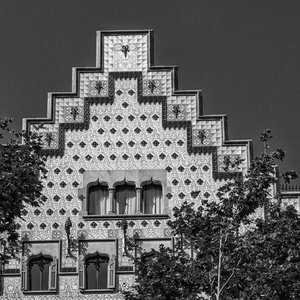
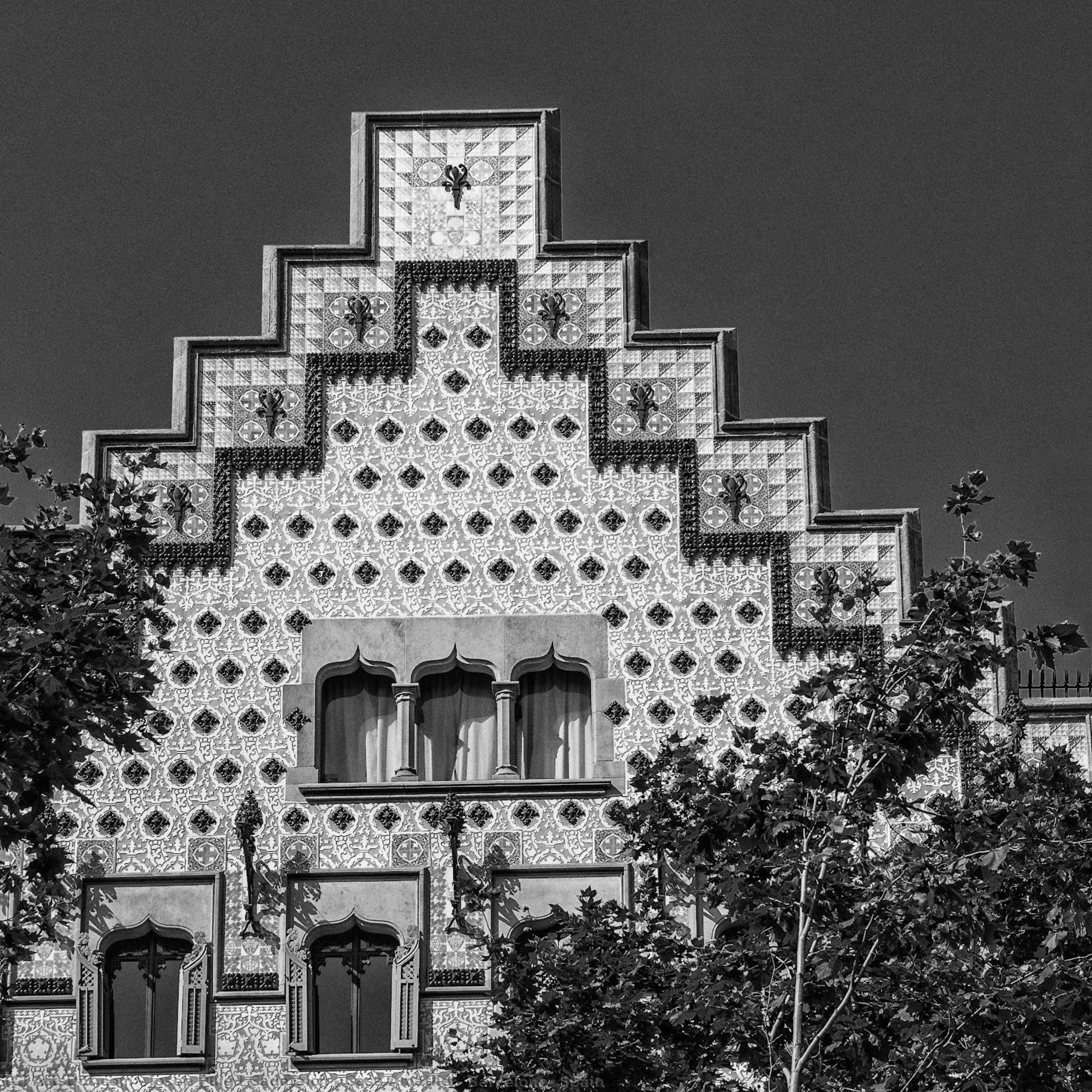
Каса Аматьллер, Барселона, Испания


 Читать далее
Масляная репродукция ручной работы
Картина маслом на холсте в выбранном вами размере и раме, написанная на заказ нашими художниками. ( Перейти к печати Перейти к цифровым изображениям)




P118B $10

P118H $10

P118W $10

P438Z $10

P508JH $12

P508YH $12

P805H $10

P805Z $10

P919BZ $10

P919G $10

P919XJ $10

P959ZH $10

P968JZ $12

W106C $8

W218G $10

W218JH $8

W218Y $10

W307PJ $10

W316G $10

W316PJ $8

W316Y $10

W398PJ $8

W4111J $10

W500HY $15

W500JH $15

W692G $12

W849H $8

W940BG $15

W953PJ $8




Выберите один из наших стандартных размеров, соответствующих оригинальным пропорциям произведения искусства.

Вы можете указать собственные размеры, чтобы картина идеально вписалась в выбранную раму или пространство. Если выбранный вами размер не соответствует пропорциям оригинала, мы либо обрежем полотно, либо расширим его за счет дополнительных элементов, написанных вручную. Цифровой макет будет отправлен вам на утверждение перед началом производства.
Обратите внимание, что предварительный просмотр на экране не отражает фактическую обрезку или расширение. Только макет точно покажет окончательную композицию.
Хотя доступны индивидуальные размеры, мы рекомендуем выбирать вариант из предопределенного списка, чтобы сохранить исходные пропорции.
После оформления заказа команда ArtsDot.com свяжется с клиентом по электронной почте для уточнения деталей и предоставит предварительный макет
Доставка по всему миру () за 3–4 недели вместо стандартных 5 недель. (12 Сентябрь). Без компромиссов в качестве.

Бесплатная экспресс-доставка по всему миру

Высококачественный льняной холст

Полное страхование доставки

Гарантия возмещения таможенных пошлин

Гарантия точного соответствия цветов

100-дневная политика возврата (только при обнаружении дефектов)

Гарантия возврата 100% средств

Предложение оптовых скидок
 Вариант со стеклом доступен только для размеров менее 110 см

Каса Аматьллер, Барселона, Испания
Техника репродукции
Размер репродукции
-


Итоговая стоимость
$ 263
Casa Amatller: Gaudí’s Bold Experiment in Catalan Modernisme
Josep Puig i Cadafalch’s Casa Amatller stands as one of Barcelona’s most striking emblems, embodying the audacious spirit of Catalan Modernisme and cementing Antoni Gaudí's legacy as a visionary architect. Constructed between 1898 and 1900 for chocolatier Antoni Amatller, this building isn’t merely aesthetically pleasing; it represents a radical departure from traditional architectural conventions—a conscious challenge to established norms that reflects the broader intellectual ferment of the era.
A Synthesis of Gothic Inspiration and Geometric Precision
- Puig i Cadafalch drew heavily upon medieval Gothic architecture, particularly the soaring arches and ribbed vaults of cathedrals like Notre Dame de Paris. However, he skillfully transformed these influences into a framework for an astonishingly complex geometric design.
- The building’s façade is dominated by a stepped pyramid structure—a daring innovation that utilizes interlocking tile motifs to create a mesmerizing visual rhythm. This technique isn't simply decorative; it embodies Gaudí’s belief in the unity of organic and inorganic forms, pushing the boundaries of architectural possibility.
Symbolism Rooted in Catalan Identity
Casa Amatller is laden with symbolic references to Catalan culture and history. The use of polychrome ceramic tiles—particularly those featuring depictions of Catalan heraldry—underscores the building’s commitment to regional identity. Gaudí's meticulous attention to detail extends beyond mere aesthetics; he sought to express profound ideas about harmony, proportion, and the relationship between humanity and nature.
Technique: Ceramic Tile Mastery – A Gaudí Legacy
Puig i Cadafalch’s masterful manipulation of ceramic tiles—a technique perfected by Gaudí himself—is arguably the building's most remarkable achievement. The artisans employed utilized a revolutionary method of assembling tiles, creating an astonishingly intricate pattern that defies conventional construction techniques. This meticulous craftsmanship speaks to the enduring power of Catalan artistic tradition and demonstrates the transformative potential of innovative design.
An Emotional Resonance: Grandeur and Artistic Innovation
Standing before Casa Amatller is akin to stepping into a realm of architectural grandeur—a testament to Gaudí’s unwavering belief in artistic innovation. The building's luminous interior, bathed in natural light filtering through stained glass windows, evokes a sense of serenity and contemplation. It remains an unforgettable experience for visitors who appreciate the sublime beauty of art that transcends mere ornamentation.
Похожие произведения



Биография художника
Josep Puig i Cadafalch: Life and Legacy
Early Life and Education
- Born in Mataró, Spain on October 17, 1867, Josep Puig i Cadafalch was a pivotal figure in the Catalan Modernista movement.
- He received his initial architectural training at the Provincial School of Architecture in Barcelona, demonstrating an early aptitude for design and innovation.
- His education extended beyond technical skills; he possessed a strong interest in history, law, and politics, which would profoundly influence his work throughout his life.
Architectural Development and Influences
- Puig i Cadafalch’s architectural style was deeply rooted in the Modernisme movement, characterized by organic forms, intricate ornamentation, and a revival of Catalan Gothic traditions.
- He drew inspiration from diverse sources including medieval architecture, particularly Gothic and Arabic styles, as well as contemporary movements like Art Nouveau.
- His early works demonstrate a blend of historical references with innovative structural solutions, setting him apart from his contemporaries.
Major Architectural Achievements
- Casa Martí (Els Quatre Gats): Perhaps his most iconic creation, Casa Martí served as a meeting place for artists, writers, and intellectuals, becoming the epicenter of Catalan Modernism.
- Casa Amatller: Located next to Antoni Gaudí’s Casa Batlló on Passeig de Gràcia, Casa Amatller is a stunning example of Puig i Cadafalch's mastery of ornamentation and detail. It showcases his unique blend of Gothic and Modernista elements.
- Other notable works include the Casa Terrades (Casa de les Punxes), the Palau del Baró de Quadras, and various renovations of historical buildings.
Political Career and Cultural Advocacy
- Puig i Cadafalch was not only a celebrated architect but also an active politician deeply committed to Catalan identity and autonomy.
- He served as a Barcelona City Councillor (1901-1903), a member of the Spanish Parliament (1907-1910), and the second President of the Commonwealth of Catalonia (1917-1924).
- From 1942 until his death, he presided over the Institut d'Estudis Catalans, dedicating himself to preserving and promoting Catalan language, culture, and history.
Historical Significance and Legacy
- Puig i Cadafalch played a crucial role in shaping Barcelona’s architectural landscape during its golden age of Modernisme.
- His buildings are not merely structures but cultural landmarks that embody the spirit of Catalan identity and artistic innovation.
- He was a tireless advocate for Catalan culture, actively documenting historical sites and promoting linguistic preservation.
- His work continues to inspire architects and designers today, solidifying his place as one of Catalonia’s most important figures.
Later Life and Death
- Puig i Cadafalch continued his scholarly pursuits and cultural advocacy until his death in Barcelona on December 21, 1956.
- His contributions to architecture, politics, and Catalan culture left an indelible mark on the region’s history and identity.
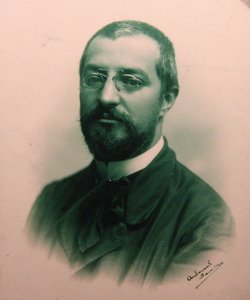
Josep Puig i Cadafalch
1867 - 1956 , Spain
Основные сведения
- Els Quatre Gats: Casa Amatller
- Birth Date: 1867-10-17
- Birth Place: Mataró, Spain
- Death Date: 1956-12-21
- Influenced: None, 'influenced by': None, 'movement': 'Modernisme (Catalan Modernism)', 'name': 'Josep Puig i Cadafalch', 'nationality': 'Spanish', 'notable works':
Похожие статьи

Josep Mompou Dencausse: Exploring Intimacy & Catalan Identity Through Minimalist Expression
Explore the captivating world of Josep Mompou Dencausse, a master of Post-Impressionism whose intimate paintings reflect Catalan identity and minimalist beauty. Discover his life, style & legacy.
Josep Cusachs i: Exploring Catalan Modernism Through Social Commentary & Artistic Innovation
Explore the captivating world of Josep Cusachs i, a key figure in Catalan Modernism. Discover his realist paintings, social commentary, and influence on 19th-century Spanish art. Hand-painted reproductions available at ArtsDot.
José Mongrell Torrent: A Study of Catalan Modernism's Intimate Landscapes & Artistic Voice
Explore the captivating world of José Mongrell Torrent, a key figure in Catalan Modernism. Discover his intimate landscapes, portraiture mastery & influence from Sorolla. Learn about this Spanish Impressionist's legacy.
Joaquim Mir: A Catalan Visionary – Exploring Symbolism, Landscape & Modernist Aesthetic
Explore the captivating world of Joaquim Mir, a pivotal Catalan Modernisme painter. Discover his vibrant landscapes, symbolic depth & lasting influence on Spanish art history. Learn more at ArtsDot.

Charles Sheeler Jr.: Precisionism, Industrial Aesthetics & the American Modernist Vision
Explore the groundbreaking work of Charles Sheeler Jr., a pivotal figure in American Precisionism. Discover his iconic industrial landscapes, photographic studies & lasting influence on modernist art. Expert insights for collectors.