 Предпросмотр
 Поделиться
 Поделиться
 Детали произведения

 Скачать
 Похожие работы
 Рентгенография
 Слайд-шоу
 Статистика
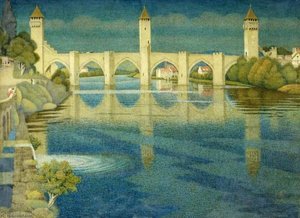
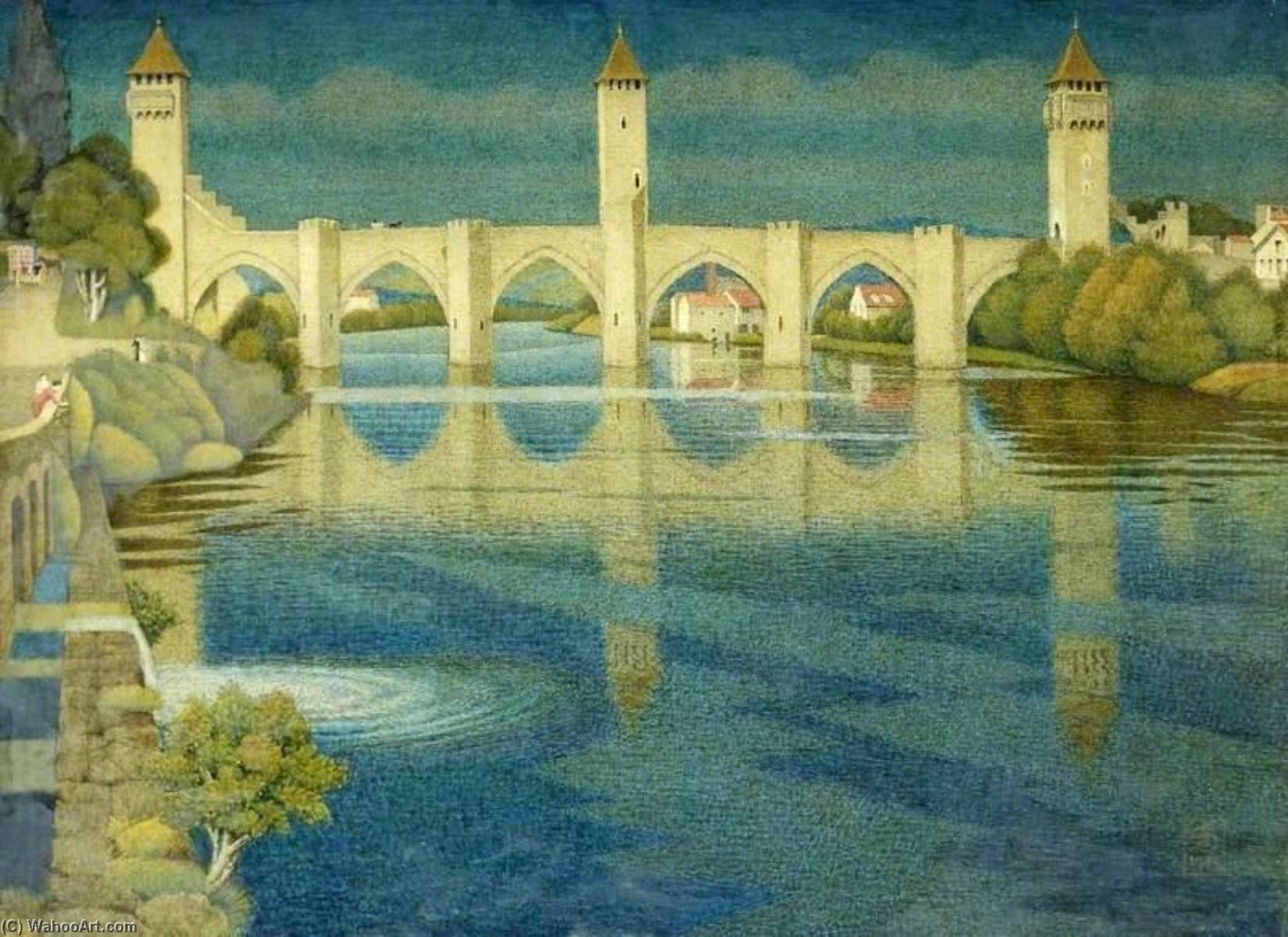
Великий мост Кахор


 Читать далее
Масляная репродукция ручной работы
Картина маслом на холсте в выбранном вами размере и раме, написанная на заказ нашими художниками. ( Перейти к печати Перейти к цифровым изображениям)




P118B $10

P118H $10

P118W $10

P438Z $10

P508JH $12

P508YH $12

P805H $10

P805Z $10

P919BZ $10

P919G $10

P919XJ $10

P959ZH $10

P968JZ $12

W106C $8

W218G $10

W218JH $8

W218Y $10

W307PJ $10

W316G $10

W316PJ $8

W316Y $10

W398PJ $8

W4111J $10

W500HY $15

W500JH $15

W692G $12

W849H $8

W940BG $15

W953PJ $8




Выберите один из наших стандартных размеров, соответствующих оригинальным пропорциям произведения искусства.

Вы можете указать собственные размеры, чтобы картина идеально вписалась в выбранную раму или пространство. Если выбранный вами размер не соответствует пропорциям оригинала, мы либо обрежем полотно, либо расширим его за счет дополнительных элементов, написанных вручную. Цифровой макет будет отправлен вам на утверждение перед началом производства.
Обратите внимание, что предварительный просмотр на экране не отражает фактическую обрезку или расширение. Только макет точно покажет окончательную композицию.
Хотя доступны индивидуальные размеры, мы рекомендуем выбирать вариант из предопределенного списка, чтобы сохранить исходные пропорции.
После оформления заказа команда ArtsDot.com свяжется с клиентом по электронной почте для уточнения деталей и предоставит предварительный макет
Доставка по всему миру () за 3–4 недели вместо стандартных 5 недель. (12 Сентябрь). Без компромиссов в качестве.

Бесплатная экспресс-доставка по всему миру

Высококачественный льняной холст

Полное страхование доставки

Гарантия возмещения таможенных пошлин

Гарантия точного соответствия цветов

100-дневная политика возврата (только при обнаружении дефектов)

Гарантия возврата 100% средств

Предложение оптовых скидок
 Вариант со стеклом доступен только для размеров менее 110 см

Великий мост Кахор
Техника репродукции
Размер репродукции
-


Итоговая стоимость
$ 263
The Great Bridge at Cahors: A Medieval Masterpiece Illuminated by Pointillism
Joseph Edward Southall’s “The Great Bridge at Cahors,” completed in 1940, stands as a testament to the enduring fascination with medieval art and architecture. More than just a depiction of a formidable stone structure spanning the Dordogne River—a bridge that has defied centuries of weather and warfare—it embodies the Romantic spirit of its time, prioritizing emotional resonance over strict realism.
- Subject Matter: The artwork focuses on Cahors Bridge, a remarkably preserved medieval fortification in southwestern France. Its imposing arches dominate the composition, symbolizing strength and resilience against the passage of time. Alongside the bridge is a castle perched atop a hill, reinforcing the narrative of power and defense.
- Style & Influences: Southall’s approach aligns closely with Pre-Raphaelite aesthetics and draws inspiration from illuminated manuscripts—a deliberate stylistic choice intended to recapture the grandeur and spiritual depth of earlier artistic traditions. The flattened perspective characteristic of manuscript painting contributes to a sense of timelessness.
- Technique: What truly distinguishes “The Great Bridge at Cahors” is its masterful execution in pointillist technique. Instead of blending colors, Southall painstakingly applied countless tiny dots of pigment—primarily blues and greens—creating an astonishingly luminous surface that mimics the shimmering reflections of water. This method elevates the image beyond mere representation, transforming it into a sensory experience.
- Color Palette: The dominant hues are cool blues and greens, reflecting the serene atmosphere of the Dordogne landscape. Lighter shades of blue illuminate the river’s surface, while warmer tones accentuates the castle walls and bridge stones—a subtle interplay of color that enhances visual interest.
- Symbolism & Emotional Impact: Beyond its architectural details, “The Great Bridge at Cahors” carries profound symbolic weight. The bridge itself represents connection – linking two distinct realms – and signifies overcoming obstacles. Simultaneously, it evokes a feeling of tranquility and contemplation, inviting viewers to immerse themselves in the beauty of medieval history.
Southall’s meticulous attention to detail—evident in the precise rendering of textures and the subtle gradations of light—demonstrates his unwavering dedication to tempera painting and the Romantic ideal. This artwork is more than just a visual record; it's an emotive journey back to a pivotal moment in European artistic history.
Provenance: Purchased from the Southall Memorial Exhibition, 1945
Похожие произведения
Биография художника
Joseph Edward Southall (1861 - 1944)
Joseph Edward Southall, born in Nottingham on August 23rd, 1861, was a quietly revolutionary figure within the British Arts and Crafts movement—a painter who looked back to the early Renaissance for inspiration while simultaneously embodying a deeply felt social and spiritual conviction. He wasn’t a flamboyant innovator eager to overturn established artistic conventions; rather, he was a dedicated revivalist, committed to tempera painting, the ideals of Ruskinian aesthetics, Quaker faith, and socialist principles. His life story is one of unwavering devotion—to mastering egg tempera, nurturing connections with fellow artists like Arthur Gaskin, and advocating for art that served both beauty and ethical responsibility.
His father, Joseph Sturge Southall (1835–1862), was a prominent Quaker and a successful grocer. Tragically, he died young, leaving his family to relocate to Edgbaston, Birmingham, where Elizabeth Maria Baker—Southall’s mother—lived with her family. This formative experience instilled in him the values of simplicity and moral integrity that would permeate his artistic vision.
After attending Ackworth School and Bootham School in York, Southall pursued architectural studies briefly but quickly recognized that formal training wouldn't satisfy his yearning for a more holistic engagement with craft. He believed an artist needed to understand painting and carving as profoundly as design and construction—a conviction that would guide him throughout his career.
His artistic journey began at Ackworth School where he was taught watercolour painting by Edwin Moore, brother of Henry Moore. Two years later he moved to Bootham School where he continued his studies under Moore’s tutelage. He enrolled in Birmingham School of Art in 1878 and quickly befriended Arthur Gaskin—a fellow student who would become a lifelong collaborator.
Southall's fascination with Italian Renaissance art ignited during a thirteen-week trip to Italy in 1883, where he immersed himself in the frescoes of Benozzo Gozzoli and other masters. This pilgrimage solidified his admiration for Ruskin’s vision of artistic purity—a conviction that would fuel his lifelong pursuit of tempera painting.
The Birmingham Group—formed in 1907 by Southall and Gaskin alongside Charles March Gere, Sidney Meteyard, Henry Payne, Bernard Sleigh and a handful of other artists—represented a conscious rejection of industrialization and a fervent desire for an integrated artistic life. Inspired by Carlyle, Ruskin and Morris, the group championed craftsmanship, spiritual depth, and social responsibility in art.
Southall’s unwavering commitment to tempera painting wasn't merely aesthetic preference; it was a philosophical statement—a belief that the medium’s inherent limitations fostered a more deliberate and thoughtful approach to art-making. He rejected the spontaneity of oil painting, prioritizing precision and meticulous planning. His work consistently reflected his Quaker faith and socialist convictions; he sought to create art that resonated with both beauty and ethical consideration.
Among his most celebrated paintings were depictions of domestic interiors, landscapes imbued with symbolic resonance, and portraits capturing the dignity of ordinary people—subjects that mirrored Southall’s humanist worldview. He achieved considerable renown as a teacher, passing on his knowledge and passion for tempera to a new generation of artists.
Southall served as President of the Royal Birmingham Society of Artists from 1939 until his death in November 6th, 1944—a testament to his enduring influence within the artistic community. His legacy resides not only in his masterful paintings but also in his unwavering dedication to upholding Ruskinian ideals and advocating for art as a force for social betterment.
Key Characteristics of Southall’s Work:
- Temperament Technique: Masterful use of egg tempera, characterized by its luminosity, detail, and subtle color gradations.
- Subject Matter: Focus on domestic interiors, landscapes, portraits, and scenes of everyday life, often imbued with symbolic meaning.
- Pre-Raphaelite Influence: A discernible debt to the Pre-Raphaelites in terms of meticulous realism and romantic sensibility.
- Arts & Crafts Ideals: Embodiment of Arts and Crafts principles—emphasis on craftsmanship, simplicity, and social responsibility.
- Social Commentary: Subtle yet persistent expression of socialist beliefs and Quaker values through subject matter and artistic approach.
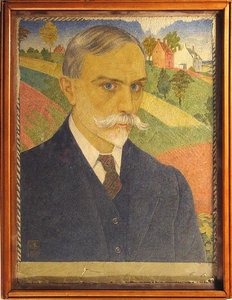
Юзеф Эдвард Саутхолл
1861 - 1944 , Великобритания
Основные сведения
- Artistic Movement Or Style: Искусство и ремёсло
- Artists Or Movements Influenced By This Artist: ['Прерафаэлиты']
- Artists Who Influenced This Artist:
- Джон Рускин
- Эдуард Бурне-Джоунс
- Date Of Birth: 1861-08-23
- Date Of Death: 1944-11-06
- Full Name: Joseph Edward Southall
- Nationality: Английский
- Notable Artworks:
- Дизайн плаката для выставки группы Бирмингема
- Портрет
- Place Of Birth: Nottingham, Великобритания
Похожие статьи

Романтический пейзаж: 10 шедевров, изменивших искусство | ArtsDot.com
Погрузитесь в мир романтического пейзажа! 10 шедевров Фридриха, Тёрнера и других гениев. Узнайте историю создания культовых картин и вдохновитесь для декора интерьера. Репродукции высокого качества на ArtsDot.com.
High Medieval Art: 10 Masterpieces That Shaped an Era | ArtsDot
Journey through High Medieval Art! Explore 10 iconic masterpieces – from Giotto's frescoes to stunning Gothic cathedrals. Discover the stories behind these timeless paintings, sculptures & illuminated manuscripts. Find museum-quality art reproductions at ArtsDot.com.

Evocations of Place: A Historical Journey Through Landscape Art
Explore the rich history of landscape art with ArtsDot. Discover renowned artists, movements like Impressionism & tonalism, and expert guidance for collecting timeless pieces. Find your perfect serene escape today!

Evocations of Place: A Historical Journey Through Landscape Art
Explore the rich history of landscape art with ArtsDot. Discover renowned artists, movements like Impressionism & Romanticism, and expert guidance for collecting timeless pieces. Find your perfect serene escape today!

Джон Констебль: 25 шедевров английского пейзажа для вашего интерьера
Погрузитесь в мир английского пейзажа с Джоном Констеблом! 25 шедевров романтизма, история создания картин и вдохновение для вашего интерьера. Репродукции высокого качества на ArtsDot.com – искусство для ценителей.