 Предпросмотр
 Поделиться
 Поделиться
 Детали произведения

 Скачать
 Похожие работы
 Рентгенография
 Слайд-шоу
 Статистика
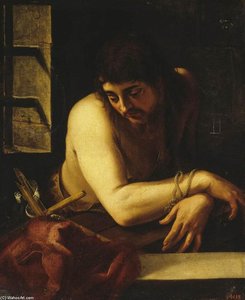
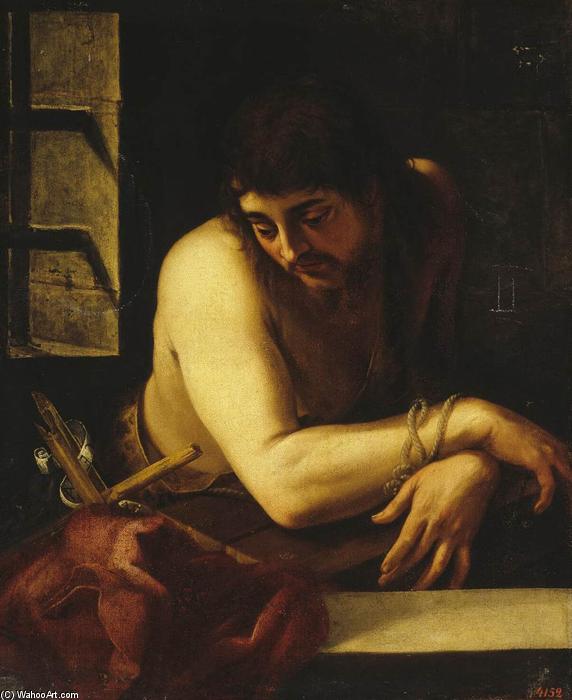
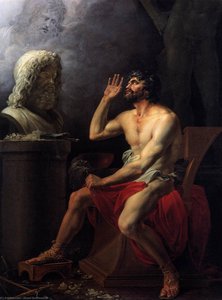
Иоанн Креститель в тюрьме
 Масло на холсте
- Настенный декор
- Spanish Mannerism
 1565
1565 80.0 x 72.0 cm
 Эрмитаж
 Читать далее
Масляная репродукция ручной работы
Картина маслом на холсте в выбранном вами размере и раме, написанная на заказ нашими художниками. ( Перейти к печати Перейти к цифровым изображениям)




P118B $10

P118H $10

P118W $10

P438Z $10

P508JH $12

P508YH $12

P805H $10

P805Z $10

P919BZ $10

P919G $10

P919XJ $10

P959ZH $10

P968JZ $12

W106C $8

W218G $10

W218JH $8

W218Y $10

W307PJ $10

W316G $10

W316PJ $8

W316Y $10

W398PJ $8

W4111J $10

W500HY $15

W500JH $15

W692G $12

W849H $8

W940BG $15

W953PJ $8




Выберите один из наших стандартных размеров, соответствующих оригинальным пропорциям произведения искусства.

Вы можете указать собственные размеры, чтобы картина идеально вписалась в выбранную раму или пространство. Если выбранный вами размер не соответствует пропорциям оригинала, мы либо обрежем полотно, либо расширим его за счет дополнительных элементов, написанных вручную. Цифровой макет будет отправлен вам на утверждение перед началом производства.
Обратите внимание, что предварительный просмотр на экране не отражает фактическую обрезку или расширение. Только макет точно покажет окончательную композицию.
Хотя доступны индивидуальные размеры, мы рекомендуем выбирать вариант из предопределенного списка, чтобы сохранить исходные пропорции.
После оформления заказа команда ArtsDot.com свяжется с клиентом по электронной почте для уточнения деталей и предоставит предварительный макет
Доставка по всему миру () за 3–4 недели вместо стандартных 5 недель. (12 Сентябрь). Без компромиссов в качестве.

Бесплатная экспресс-доставка по всему миру

Высококачественный льняной холст

Полное страхование доставки

Гарантия возмещения таможенных пошлин

Гарантия точного соответствия цветов

100-дневная политика возврата (только при обнаружении дефектов)

Гарантия возврата 100% средств

Предложение оптовых скидок
 Вариант со стеклом доступен только для размеров менее 110 см

Иоанн Креститель в тюрьме
Техника репродукции
Размер репродукции
-


Итоговая стоимость
$ 263
Juan Fernández de Navarrete и «Святого Иоанна Крестителя в тюрьме»
Искусство эпохи Возрождения Испании переживает свой расцвет, вдохновленное итальянскими идеалами красоты и гармонии. Однако среди этих выдающихся произведений особое место занимает картина испанского маньериста Хуана Фернандеса Наваретти «Святого Иоанна Крестителя в тюрьме», созданная в 1565-70 годах и хранящаяся ныне в музее Прадо. Эта работа является не только одним из самых известных шедевров своего времени, но и ярким примером художественного мастерства Наваретти и глубокого понимания религиозной символики эпохи.- Тема: Картина изображает Святого Иоанна Крестителя в заключении – фигуру, подвергшуюся жестокому преследованию и пыткам за свою веру. Этот выбор темы был обусловлен религиозными настроениями эпохи и стремлением художников выразить духовные искания человека перед лицом смерти и страдания.
- Стиль: Наваретти принадлежит к маньеризму – художественному направлению, характеризующемуся отходом от классических идеалов пропорций и перспективы в пользу экспрессивной передачи эмоций и психологической глубины. Маньеризм отражает кризис гуманистического мировоззрения и поиск новых способов выражения религиозных чувств.
- Техника: Художник использовал технику масляной живописи на холсте, что позволило добиться максимальной детализации изображения и передать тончайшие оттенки света и тени. Особое внимание Наваретти уделялся работе с цветом и композицией – он стремился создать ощущение глубины пространства и выразить внутренний мир персонажа через использование цветовой палитры и расположение элементов картины.
- Исторический контекст: Картина была создана во время правления Филиппа II – могущественного монарха Испании, который был убежденным католиком и использовал искусство как средство укрепления своей власти и религиозной морали. Эпоха Филлипа II характеризуется борьбой между христианством и исламитом, а также стремлением испанской короны сохранить свою гегемонию в Европе.
- Символизм: Изображение Святого Иоанна Крестителя в тюрьме имеет глубокий символический смысл. Тюрьма является метафорой духовных испытаний и страданий человека, которые необходимо преодолеть для достижения истинной веры и спасения души. Крест – символ христианской любви и жертвы Иисуса Христа, который умер за грехи человечества ради прощения и обновления мира.
Похожие произведения

Биография художника
The Silent Master of the Spanish Golden Age
In the grand, echoing halls of Spain’s architectural marvels, the name Juan Fernández Navarrete resonates with a quiet but profound power. Known to history by the evocative moniker “El Mudo”—The Mute—Navarrete lived a life defined by a unique sensory experience. An illness in his infancy had robbed him of his hearing, a condition that rendered him unable to speak but gifted him with an extraordinary visual vocabulary. Where words failed, his charcoal sketches and vibrant pigments spoke, allowing him to communicate the divine through the language of light and form. Born around 1526, likely in Logroño, his journey from a silent child expressing needs through sketches to a celebrated court painter is one of the most compelling narratives of the Spanish Renaissance.
Navarrete’s artistic evolution was deeply intertwined with the movement of ideas across Europe. While his roots were firmly planted in the Spanish tradition, his spirit wandered through the great art centers of Italy. His early training under Cristóbal Muñoz Sánchez provided a sturdy classical foundation, yet it was his exposure to the masters of the Italian Renaissance that truly ignited his genius. As he traversed Naples, Rome, Florence, and Milan, he absorbed the sophisticated elegance of Mannerism. This stylistic choice—characterized by elongated figures, dramatic tension, and an intentional departure from strict naturalism—became the hallmark of his mature work. He did not merely copy the Italians; he translated their grace into a Spanish idiom that felt both spiritually urgent and aesthetically sublime.
A Devotion to El Escorial and the Divine
The zenith of Navarrete’s career was inextricably linked to the ambitions of Philip II. As a favored court artist, Navarrete dedicated eleven pivotal years to the decoration of El Escorial, the monumental palace-monastery that served as the spiritual heart of the Spanish Empire. Within this austere and magnificent complex, he breathed life into religious narratives, transforming cold stone walls into windows to the heavens. His work for the King was not merely decorative; it was an act of profound devotion. He utilized the expressive potential of Mannerism to create altarpieances and frescoes that commanded awe, employing a palette that could shift from the radiant, celestial glow seen in his Nativity to the somber, introspective shadows of his more penitential subjects.
His technical mastery allowed him to weave complex theological themes into visually arresting compositions. One can observe the lingering influence of Correggio in the soft, luminous light that seems to emanate from within his figures, and the structural elegance of Parmigianino in his stylized silhouettes. His ability to manipulate light—a technique known as chiaroscuro—served to heighten the emotional stakes of his religious scenes, making the miraculous feel tangibly present. Whether depicting the baptismal waters of Christ or the celestial visitation of angels to Abraham, Navarrete’s brush captured the tension between the earthly and the divine.
Legacy of a Silent Visionary
Though his life was cut short in 1579 at the age of approximately fifty-three, the impact of Juan Fernández Navarrete remains etched in the history of European art. He served as a vital conduit, helping to spread the sophisticated influences of the Italian Renaissance throughout the Iberian Peninsula, effectively shaping the trajectory of the Spanish Golden Age. His works, now preserved in prestigious institutions such as the Prado Museum and the National Gallery of Ireland, continue to captivate viewers with their rhythmic compositions and emotional depth.
The significance of Navarrete lies in his ability to transcend his physical silence to create a visual symphony. His legacy is found in:
- The Integration of Styles: Successfully blending Spanish piety with the sophisticated elegance of Italian Mannerism.
- Royal Patronage: Defining the aesthetic identity of Philip II’s most important architectural project, El Escorial.
- Spiritual Expression: Using dramatic lighting and stylized forms to communicate complex religious truths to a wide audience.
In the annals of art history, El Mudo stands as a testament to the power of perception. He proved that even without a voice, an artist can command the attention of kings and the devotion of the faithful, leaving behind a visual legacy that speaks across the centuries.
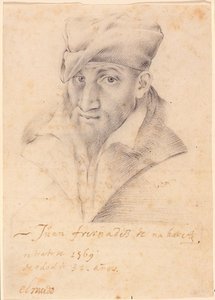
juan fernández de navarrete
1526 - 1579
Основные сведения
- Artistic Movement Or Style: Mannerism
- Artists Or Movements Influenced By This Artist: ['Italian Renaissance']
- Artists Who Influenced This Artist:
- Correggio
- Titian
- Date Of Birth: 1526
- Date Of Death: 1579
- Full Name: Juan Fernández Navarrete
- Nationality: Spanish
- Notable Artworks:
- Nativity
- Baptism of Christ
- Abraham Receiving the Three Angels
- Place Of Birth: Spain
Похожие статьи

Эль Греко: 25 шедевров гения. Купить картины онлайн | ArtsDot
Погрузитесь в мир Эль Греко! 25 величайших шедевров испанского маньеризма. Узнайте историю создания культовых картин, технику и символизм. Купите репродукции высокого качества для вашего интерьера на ArtsDot.com.
John Frederick Lewis: Orientalism, Detail & Genre Painting in 19th-Century British Art
Explore the captivating Orientalist paintings of John Frederick Lewis! Discover his mastery of detail, genre scenes & influence on 19th-century British art. Learn about his life, techniques & legacy at ArtsDot.

Джон Констебль: 25 шедевров английского пейзажа для вашего интерьера
Погрузитесь в мир английского пейзажа с Джоном Констеблом! 25 шедевров романтизма, история создания картин и вдохновение для вашего интерьера. Репродукции высокого качества на ArtsDot.com – искусство для ценителей.
Gwen John: Intimacy, Modernity & the Quiet Power of Welsh Portraiture
Explore the captivating world of Gwen John, a pioneering Welsh artist renowned for her intimate portraits & subtle style. Discover her life, legacy, and how to bring her timeless beauty into your home with ArtsDot.

Джон Сингер Сарджент: 25 шедевров портретной живописи для вашего интерьера | ArtsDot
Погрузитесь в мир Джона Сингера Сарджента! 25 шедевров импрессионизма и реализма, раскрывающих элегантность эпохи Gilded Age. Купите репродукции картин Сарджента музейного качества для вашего интерьера на ArtsDot.com.