 Предпросмотр
 Поделиться
 Поделиться
 Детали произведения

 Скачать
 Похожие работы
 Рентгенография
 Слайд-шоу
 Статистика
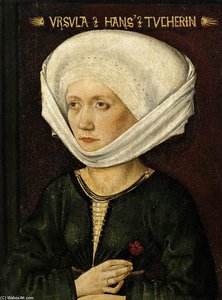
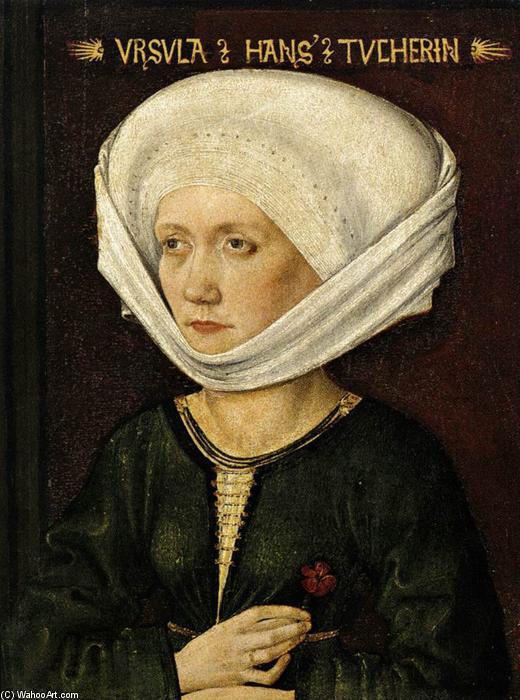
Портрет Юрсины Тюхерин


 Читать далее
Масляная репродукция ручной работы
Картина маслом на холсте в выбранном вами размере и раме, написанная на заказ нашими художниками. ( Перейти к печати Перейти к цифровым изображениям)




P118B $10

P118H $10

P118W $10

P438Z $10

P508JH $12

P508YH $12

P805H $10

P805Z $10

P919BZ $10

P919G $10

P919XJ $10

P959ZH $10

P968JZ $12

W106C $8

W218G $10

W218JH $8

W218Y $10

W307PJ $10

W316G $10

W316PJ $8

W316Y $10

W398PJ $8

W4111J $10

W500HY $15

W500JH $15

W692G $12

W849H $8

W940BG $15

W953PJ $8




Выберите один из наших стандартных размеров, соответствующих оригинальным пропорциям произведения искусства.

Вы можете указать собственные размеры, чтобы картина идеально вписалась в выбранную раму или пространство. Если выбранный вами размер не соответствует пропорциям оригинала, мы либо обрежем полотно, либо расширим его за счет дополнительных элементов, написанных вручную. Цифровой макет будет отправлен вам на утверждение перед началом производства.
Обратите внимание, что предварительный просмотр на экране не отражает фактическую обрезку или расширение. Только макет точно покажет окончательную композицию.
Хотя доступны индивидуальные размеры, мы рекомендуем выбирать вариант из предопределенного списка, чтобы сохранить исходные пропорции.
После оформления заказа команда ArtsDot.com свяжется с клиентом по электронной почте для уточнения деталей и предоставит предварительный макет
Доставка по всему миру () за 3–4 недели вместо стандартных 5 недель. (11 Сентябрь). Без компромиссов в качестве.

Бесплатная экспресс-доставка по всему миру

Высококачественный льняной холст

Полное страхование доставки

Гарантия возмещения таможенных пошлин

Гарантия точного соответствия цветов

100-дневная политика возврата (только при обнаружении дефектов)

Гарантия возврата 100% средств

Предложение оптовых скидок
 Вариант со стеклом доступен только для размеров менее 110 см

Портрет Юрсины Тюхерин
Техника репродукции
Размер репродукции
-


Итоговая стоимость
$ 263
Вневременная Благородство и Искусство Михеля Вольгемута: Портрет Юрсилы Тюхерин
Михеля Вольгемута картина «Портрет Юрсилы Тюхерин», созданная в 1478 году, является воплощением расцвета гуманистической эстетики Северного Возрождения и представляет собой бесценный памятник художественной традиции Нюрнберга того времени. Она не только изображает благородную женщину Юрсилу Тюхерин, но и отражает идеалы скромности, изысканности и семейной доброты – ценности, которые определяли жизнь буржуазного общества города Нюрнберга в эпоху трансформации.
Вольгемут работал в Нюрнбергской мастерской вместе с Хансом Плейденворфом и был вдохновлен творчеством фламандских художников, что отразилось в его стиле и технике. Его имя звучит в истории искусства не только как создатель собственной выдающейся работы, но и как учитель Альбрехта Дюрера – одного из величайших мастеров эпохи Возрождения.
Суть Искусства: Реализм и Символика
Картина демонстрирует мастерское использование реализма, особенно в детальном изображении текстур одежды Юрсилы Тюхерин. Вольгемут применил технику светотени (кьяроскуро), заимствованную из фламандской живописи, чтобы передать глубину и объем изображения и создать ощущение жизни и движения.
- Техника Кьяроскуро: Этот метод освещения позволяет художнику добиться драматического эффекта и подчеркнуть выразительность лица Юрсилы Тюхерин.
- Детализация Образа: Вольгемут уделяет особое внимание деталям изображения, создавая ощущение достоверности и реалистичности.
Материал и Контекст Истории
Картина выполнена на лиственнице – прочным дереву, которое традиционно использовалось для создания портретов в эпоху Возрождения. Живопись написана маслом, что обеспечивает тонкую передачу цвета и позволяет добиться высокой детализации изображения. Этот выбор материала был обусловлен не только эстетическими соображениями, но и практической необходимостью обеспечить долговечность произведения искусства.
Нюрнбергская мастерская Вольгемута была одним из центров художественной жизни города Нюрнберга – города, известного своей печатной машиной и активным меценатством. Его влияние распространилось далеко за пределы собственных работ, особенно благодаря его роли как учителя Альбрехта Дюрера – одного из самых выдающихся художников Германии.
Символизм Благородства и Веры
Портрет Юрсилы Тюхерин наполнен символами, которые передают ее статус и нравственные качества. Белая головная уборька – распространенный атрибут одежды благородных женщин в эпоху Средневековья и Возрождения – является символом чистоты и скромности, что соответствует христианским идеалам добродетели и уважения.
- Головной Уборь: Этот элемент одежды подчеркивает важность семейного достоинства и моральных ценностей в эпоху Возрождения.
- Цвет и Флористические Мотивы: Использование красного цветка на груди Юрсилы Тюхерин символизирует любовь и красоту – возможно, личный знак внимания к ее супругу.
Похожие произведения
Биография художника
A Nuremberg Master: The Life and Legacy of Michael Wolgemut
Born around 1434 in the vibrant city of Nuremberg, Germany, Michael Wolgemut emerged as a pivotal figure in the transition from Late Gothic to Renaissance art. His name, sometimes rendered as Wohlgemuth or Wolgemuth, resonates through art history not only for his own artistic contributions but also—and perhaps more profoundly—for his role as mentor to one of the greatest masters of all time: Albrecht Dürer. Wolgemut’s journey began within a familial artistic tradition; he received his initial training from his father, Valentin Wolgemut, a painter himself. This foundation instilled in him an early appreciation for the craft and set the stage for a career that would span decades and leave an indelible mark on German art. He further honed his skills as an assistant to Hans Pleydenwurff, a prominent Nuremberg artist, gaining invaluable experience within a bustling workshop environment. A brief sojourn in Munich with Gabriel Malesskircher proved less fruitful, ending in a legal dispute, but it underscored Wolgemut’s ambition and willingness to seek opportunities beyond his native city.Workshop Leadership and Artistic Development
A turning point arrived in 1472 when Wolgemut married Pleydenwurff's widow, Barbara, inheriting not only a life partner but also the established workshop of one of Nuremberg’s leading artists. This acquisition propelled him to the forefront of the city’s artistic scene. Wilhelm Pleydenwurff, Hans’ son, joined the workshop as an assistant and later became a partner, creating a dynamic collaborative environment. Under Wolgemut's direction, the workshop flourished, becoming renowned for its diverse output—from intricately carved and painted wood retables to exquisitely detailed altar pieces. His style reveals a clear influence from Flemish masters, suggesting possible travels within Flanders (modern Belgium and surrounding areas). This is evident in his meticulous attention to detail, rich color palettes, and realistic depictions of figures and textures. He wasn’t merely replicating the Flemish aesthetic; he was adapting it, infusing it with a distinctly German sensibility that would characterize much of Northern Renaissance art.The Nuremberg Chronicle and the Rise of Woodcut
Wolgemut's legacy extends far beyond painting. He stands as a key figure in the revival of German woodcut artistry. His workshop became a prolific producer of woodcuts, often commissioned by publishers to illustrate books—a burgeoning market fueled by the recent invention of the printing press. These weren’t simply functional illustrations; they were works of art in their own right, demonstrating advancements in technique that allowed for more nuanced depictions of volume and shading. Frequently hand-colored after printing, these woodcuts brought visual narratives to a wider audience than ever before. However, his most monumental achievement remains his collaboration with Wilhelm Pleydenwurff on the illustrations for Hartmann Schedel’s *Liber Chronicarum*, published in 1493—better known as the Nuremberg Chronicle. This lavishly illustrated chronicle was a landmark publication, showcasing Wolgemut's mastery of woodcut design and meticulous planning. The project involved creating hundreds of intricate images depicting biblical scenes, historical events, and fantastical creatures, all meticulously laid out alongside Schedel’s text. The sheer scale and ambition of the Nuremberg Chronicle cemented Wolgemut’s reputation as a leading artist of his time.A Teacher's Influence: Dürer and Beyond
Perhaps Michael Wolgemut’s most enduring legacy lies in his role as teacher to Albrecht Dürer, arguably Germany’s greatest artist. Dürer apprenticed with Wolgemut between 1486 and 1489, receiving a comprehensive artistic education that laid the foundation for his own groundbreaking career. While Dürer ultimately surpassed his mentor in fame and innovation, he consistently acknowledged Wolgemut's influence throughout his life. He learned not only technical skills—drawing, painting, woodcut techniques—but also the importance of meticulous observation, careful composition, and a dedication to craftsmanship. Wolgemut instilled in Dürer a deep appreciation for both artistic tradition and innovative experimentation. Beyond Dürer, Wolgemut’s workshop trained numerous other artists, contributing significantly to the flourishing artistic landscape of Nuremberg and beyond. His contribution to German art isn't solely defined by his individual works but also by the vibrant artistic ecosystem he fostered.Lasting Significance
Michael Wolgemut died in 1519, leaving behind a rich artistic legacy that continues to resonate today. Major works such as the Retable of the High Altar at Zwickau (1479), the Great Retable for the Church of the Augustinian Friars in Nuremberg, and the Town Hall Decorations at Goslar demonstrate his versatility and skill. His portraits, known for their realistic depictions and meticulous detail—examples are held by institutions like the Royal Institution in Liverpool—reveal a keen eye for character and individuality. Wolgemut’s influence extended beyond his direct students; his innovative approach to woodcut design helped shape the development of German art in the late 15th century, impacting book production and artistic dissemination during the Renaissance. He successfully blended Flemish influences with local traditions, creating a unique style that paved the way for future generations of artists. He remains a vital link between the Late Gothic period and the burgeoning Renaissance, a testament to his enduring contribution to art history.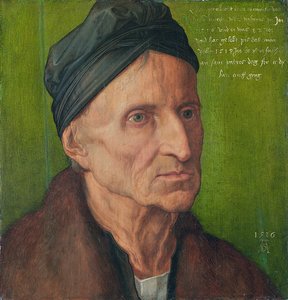
Michael Wolgemut
1434 - 1519 , Germany
Основные сведения
- Artistic Movement Or Style: Late Gothic, Renaissance
- Artists Or Movements Influenced By This Artist: ['Albrecht Dürer']
- Artists Who Influenced This Artist: ['Flemish masters']
- Date Of Birth: 1434
- Date Of Death: 1519
- Full Name: Michael Wolgemut
- Nationality: German
- Notable Artworks:
- Zwickau High Altar
- Nuremberg Chronicle
- Memminger Portrait
- Place Of Birth: Nuremberg, Germany
Похожие статьи
Albrecht Dürer: A Renaissance Master's Legacy of Innovation and Self-Portraiture
Explore the life & art of Albrecht Dürer, a pivotal German Renaissance master. Discover his groundbreaking printmaking techniques, iconic self-portraits, and lasting influence on Western art history. A deep dive into innovation & symbolism.
Альбрехт Дюрер: 25 шедевров эпохи Возрождения для вашего интерьера | ArtsDot
Погрузитесь в мир Альбрехта Дюрера! 25 величайших гравюр и картин немецкого Ренессанса. Узнайте историю создания шедевров, символизм и технику художника. Репродукции высокого качества для вашего интерьера на ArtsDot.com.
Топ-10 шедевров Северного Возрождения: искусство для вашего дома от ArtsDot.com
Погрузитесь в мир Северного Возрождения! Откройте 10 шедевров Ван Эйка, Дюрера и других великих художников. Узнайте историю создания культовых картин и вдохновитесь для декора вашего дома с ArtsDot.com. Explore the full collection online!
Топ-25 шедевров Британского музея: искусство для вашего дома от ArtsDot
Погрузитесь в мир искусства с 25 шедеврами Британского музея! Узнайте истории Ван Гога, Моне и других великих художников. Репродукции картин для вашего дома от ArtsDot.com – вдохновение и качество.
The Northern Awakening: Artistic Innovation & Cultural Transformation in the German Renaissance
Explore the artistic innovation of the German Renaissance! Discover Dürer, the Danube School & Reformation art. Learn about techniques, materials & lasting influence. Find museum-quality reproductions at ArtsDot.