 Предпросмотр
 Поделиться
 Поделиться
 Детали произведения

 Скачать
 Похожие работы
 Рентгенография
 Слайд-шоу
 Статистика
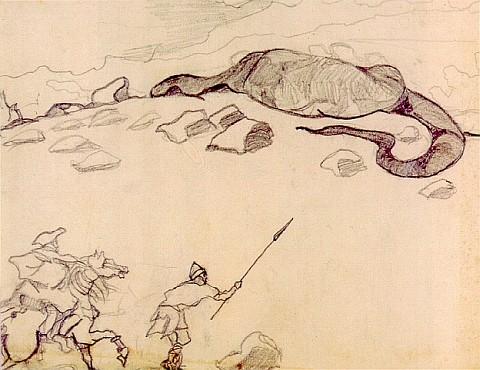
Пейзаж с драконом

 Читать далее
Масляная репродукция ручной работы
Картина маслом на холсте в выбранном вами размере и раме, написанная на заказ нашими художниками. ( Перейти к печати Перейти к цифровым изображениям)




P118B $10

P118H $10

P118W $10

P438Z $10

P508JH $12

P508YH $12

P805H $10

P805Z $10

P919BZ $10

P919G $10

P919XJ $10

P959ZH $10

P968JZ $12

W106C $8

W218G $10

W218JH $8

W218Y $10

W307PJ $10

W316G $10

W316PJ $8

W316Y $10

W398PJ $8

W4111J $10

W500HY $15

W500JH $15

W692G $12

W849H $8

W940BG $15

W953PJ $8




Выберите один из наших стандартных размеров, соответствующих оригинальным пропорциям произведения искусства.

Вы можете указать собственные размеры, чтобы картина идеально вписалась в выбранную раму или пространство. Если выбранный вами размер не соответствует пропорциям оригинала, мы либо обрежем полотно, либо расширим его за счет дополнительных элементов, написанных вручную. Цифровой макет будет отправлен вам на утверждение перед началом производства.
Обратите внимание, что предварительный просмотр на экране не отражает фактическую обрезку или расширение. Только макет точно покажет окончательную композицию.
Хотя доступны индивидуальные размеры, мы рекомендуем выбирать вариант из предопределенного списка, чтобы сохранить исходные пропорции.
После оформления заказа команда ArtsDot.com свяжется с клиентом по электронной почте для уточнения деталей и предоставит предварительный макет
Доставка по всему миру () за 3–4 недели вместо стандартных 5 недель. (12 Сентябрь). Без компромиссов в качестве.

Бесплатная экспресс-доставка по всему миру

Высококачественный льняной холст

Полное страхование доставки

Гарантия возмещения таможенных пошлин

Гарантия точного соответствия цветов

100-дневная политика возврата (только при обнаружении дефектов)

Гарантия возврата 100% средств

Предложение оптовых скидок
 Вариант со стеклом доступен только для размеров менее 110 см

Пейзаж с драконом
Техника репродукции
Размер репродукции
-


Итоговая стоимость
$ 263
Описание работы «Ландшафт с Драконом» Николая Роэрика
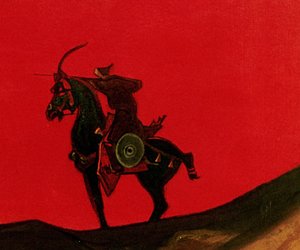
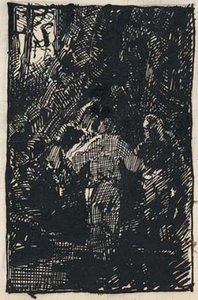
«Ландшафт с Драконом» представляет собой впечатляющую сцену борьбы воина и огромного змея, выполненную в стиле эскизного рисунка с интенсивным использованием углей и карандаша. Этот подход придает картине возрастное ощущение и легкую тусклость, создавая атмосферу древности и мистики. Композиция доминирует массивный дракон над головой зрителя, подчеркивая масштаб и угрозу происходящего. Под драконом изображен одинокий воин на коне, сражающийся с чудовищем копье в руке. Фон состоит из скалистых участков и бушующих облаков, усиливая динамику и хаотичность изображения. Линии рисунка свободные и экспрессивные, определяющие формы более чем точные деталистические воспроизведение реальности. Основные формы представлены угловатыми элементами – скалы, тело дракона и шлем воина – что контрастирует с плавными линиями облаков и гривой коня. Текстуру достигают различные оттенки тени и штрихи, создавая ощущение глубины и объема. Освещение рассеянное, что может быть связано как с пасмурной погодой, так и с внутренним пространством. Перспектива немного приплюснута, чтобы акцентировать внимание на повествовании, а не на точное воспроизведение пространства. Глубина создается путем перекрытия слоев и использования цветовых оттенков, но она не достигает четкого разделения между передними и задними планами. Этот рисунок является ярким примером стиля Символизма начала XX века, который был особенно популярен в России того времени и отражал стремление художников выразить духовные идеи через искусство. Роэрик использовал этот стиль для передачи глубоких эмоций и символов, что делает работу особенно привлекательной для тех, кто ценит эстетику и интеллектуальную глубину. Эскизный характер рисунка позволяет увидеть процесс создания произведения искусства и передает ощущение непосредственного вдохновения художника. Техника работы с углем и карандашом подчеркивает текстуру поверхности бумаги и создает эффект старинной живописи. Использование этих материалов добавляет картине особый шарм и аутентичность. Символизм в изображении дракона имеет глубокое значение. Дракон традиционно является символом хаоса, разрушения и зла, но также может представлять собой силу природы и духовную энергию. Воин же выступает как воплощение мужества, защиты и борьбы за светлое будущее. Эта борьба между добром и злом является одной из центральных тем в мировом искусстве и литературе и отражается в работе Роэрика через использование ярких цветов и динамичной композиции. Картина вызывает чувство восхищения перед величием природы и перед человеческой стойкостью перед лицом опасности. Она напоминает о важности духовных поисков и о необходимости противостоять темным силам. Картина «Ландшафт с Драконом» является прекрасным примером искусства Символизма и может стать отличным украшением интерьера для тех, кто ценит эстетику и интеллектуальную глубину. Высококачественная репродукция этой работы позволит сохранить красоту и вдохновение оригинального произведения искусства в современном доме.Похожие произведения
Биография художника
A Life Immersed in Art and Spirit
Nicholas Roerich, born October 9, 1874, in the vibrant cultural heart of Saint Petersburg, Russia, was a figure whose life transcended the boundaries of artistic expression. He wasn’t merely a painter; he was an archaeologist, a writer, a philosopher, and a tireless advocate for peace and cultural preservation. His upbringing, steeped in both intellectual rigor – his father was a notary public – and artistic appreciation thanks to his mother, laid the foundation for a remarkably multifaceted career. Roerich simultaneously pursued studies in law and art at St. Petersburg University and the Imperial Academy of Arts beginning in 1893, demonstrating an early commitment to a broad understanding of the world. This dual path wasn’t contradictory for him; rather, it reflected a belief that artistic vision needed grounding in historical context and intellectual discipline. He received his artist designation in 1897 and completed his law degree the following year, setting the stage for a life dedicated to both creative exploration and reasoned action.The Allure of Symbolism and Theatrical Innovation
Roerich’s artistic development was profoundly shaped by the currents of Russian Symbolism, a movement that sought to evoke emotional and spiritual depths through evocative imagery and suggestive forms. He quickly became involved with Sergei Diaghilev's influential “World of Art” society, eventually assuming its presidency from 1910 to 1916. This association proved pivotal, exposing him to a network of innovative artists, composers, and thinkers who were redefining the landscape of Russian art. His early work revealed a fascination with archaeology and stage design, leading to groundbreaking collaborations with Diaghilev’s Ballets Russes. Roerich's designs for productions like Alexander Borodin's *Prince Igor* (1909) and, most famously, Igor Stravinsky’s revolutionary *The Rite of Spring* (1913), were not simply backdrops; they were integral components of the theatrical experience. He blended meticulous historical research with a bold imaginative vision, creating visually stunning environments that amplified the emotional power of the music and choreography. These designs weren't merely decorative; they were attempts to evoke primordial forces and ancient rituals, reflecting the Symbolist interest in myth and spirituality. His work was also influenced by apocrypha and medieval sectarian writings like the Dove Book, adding layers of esoteric meaning to his artistic creations.A Journey Towards Mysticism and Himalayan Visions
As Roerich’s career progressed, his paintings underwent a significant transformation, increasingly embracing mystical and spiritual themes. This shift was fueled by his growing interest in Theosophy and Eastern religions, philosophies that emphasized the interconnectedness of all things and the pursuit of inner wisdom. His *Architectural Studies* series (1904–1905) showcased not only his architectural skill but also a deep commitment to preserving cultural heritage, foreshadowing his later advocacy for protecting art during times of conflict. Recurring motifs began to emerge in his work: majestic landscapes, ancient cities shrouded in mystery, and figures imbued with spiritual significance like St. Panteleimon and Kuan Yin. He embarked on extensive travels throughout Central Asia, conducting archaeological research and documenting ancient cultures, experiences that deeply informed his artistic vision and reinforced his belief in the importance of cultural understanding. These journeys were not merely expeditions; they were pilgrimages into the heart of human history and spiritual tradition.Key Works & Continuing Relevance
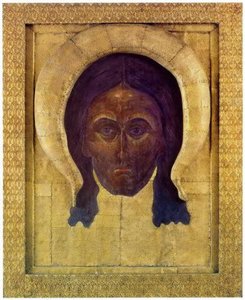
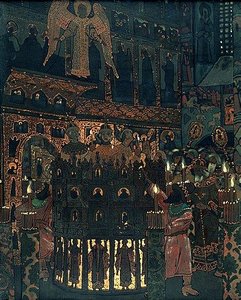
- Saint Nicholas: A detailed monochrome mural showcasing medieval art and heraldic symbolism, reflecting a deep respect for Russian iconography.
- City: Evocative depictions of ancient urban landscapes, capturing the essence of vanished civilizations and hinting at hidden narratives.
- Lake of the Nagas: A tempera painting blending symbolism and nature, exemplifying his unique artistic vision and exploring themes of transformation and spiritual awakening.
- The Protecting Veil of the Holy Mother of God: A monumental mosaic commissioned for a Russian church, demonstrating his ability to translate complex religious concepts into powerful visual forms.
The Roerich Pact & Lasting Impact
Beyond his artistic achievements, Nicholas Roerich was a passionate advocate for international cultural cooperation. Recognizing the devastating impact of war on cultural treasures, he spearheaded the creation of the Roerich Pact in 1935 – an unprecedented agreement among nations aimed at protecting art and architecture from destruction during armed conflicts. This initiative, driven by his unwavering belief in the value of human heritage, earned him multiple nominations for the Nobel Peace Prize, a testament to his humanitarianism and dedication to fostering global understanding. His work continues to inspire artists, scholars, and activists worldwide, reminding us of the profound connection between art, spirituality, and the preservation of our shared cultural legacy. His paintings remain powerful symbols of hope and a call to protect the beauty and wisdom of human civilization for generations to come.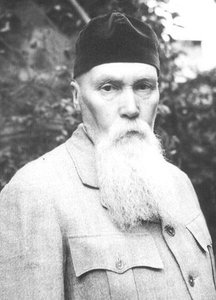
Николай Константинович Роерих
1874 - 1947 , Россия
Основные сведения
- Artistic Movement Or Style: Символизм, духовное искусство
- Artists Or Movements Influenced By This Artist: ['Русский символизм']
- Artists Who Influenced This Artist: ['Сергей Дягилев']
- Date Of Birth: 9 октября 1874 г.
- Date Of Death: 13 декабря 1947 г.
- Full Name: Николай Константинович Роерих
- Nationality: Русский
- Notable Artworks:
- «Святой Николай»
- «Город»
- «Озеро Нагасов»
- Place Of Birth: Санкт-Петербург, Россия
Похожие статьи
Nicholas Roerich: Mysticism, Mountains & the Search for Ageless Wisdom in Art
Explore the captivating art of Nicholas Roerich – a visionary painter whose Himalayan landscapes blend spiritual mysticism with cultural preservation. Discover his legacy & symbolism.

Evocations of Place: A Historical Journey Through Landscape Art
Explore the rich history of landscape art with ArtsDot. Discover renowned artists, movements like Impressionism & Romanticism, and expert guidance for collecting timeless pieces. Find your perfect serene escape today!
The Sublime and the Picturesque: Exploring Emotion & Nature in Romantic Landscape Painting
Explore the emotional power of Romantic landscape painting! Discover the sublime & picturesque traditions, key artists like Friedrich & Cole, and find your perfect artwork at ArtsDot.

Романтический пейзаж: 10 шедевров, изменивших искусство | ArtsDot.com
Погрузитесь в мир романтического пейзажа! 10 шедевров Фридриха, Тёрнера и других гениев. Узнайте историю создания культовых картин и вдохновитесь для декора интерьера. Репродукции высокого качества на ArtsDot.com.

Джон Констебль: 25 шедевров английского пейзажа для вашего интерьера
Погрузитесь в мир английского пейзажа с Джоном Констеблом! 25 шедевров романтизма, история создания картин и вдохновение для вашего интерьера. Репродукции высокого качества на ArtsDot.com – искусство для ценителей.