 Предпросмотр
 Поделиться
 Поделиться
 Детали произведения

 Скачать
 Похожие работы
 Рентгенография
 Слайд-шоу
 Статистика
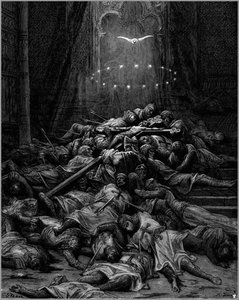
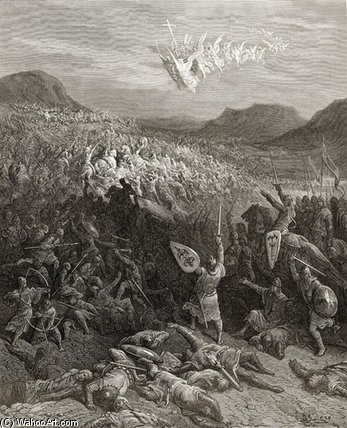
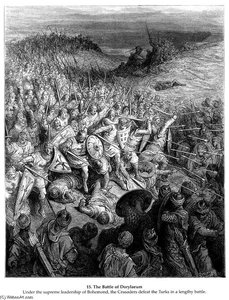
Битва при Никее

 Читать далее
Масляная репродукция ручной работы
Картина маслом на холсте в выбранном вами размере и раме, написанная на заказ нашими художниками. ( Перейти к печати Перейти к цифровым изображениям)




P118B $10

P118H $10

P118W $10

P438Z $10

P508JH $12

P508YH $12

P805H $10

P805Z $10

P919BZ $10

P919G $10

P919XJ $10

P959ZH $10

P968JZ $12

W106C $8

W218G $10

W218JH $8

W218Y $10

W307PJ $10

W316G $10

W316PJ $8

W316Y $10

W398PJ $8

W4111J $10

W500HY $15

W500JH $15

W692G $12

W849H $8

W940BG $15

W953PJ $8




Выберите один из наших стандартных размеров, соответствующих оригинальным пропорциям произведения искусства.

Вы можете указать собственные размеры, чтобы картина идеально вписалась в выбранную раму или пространство. Если выбранный вами размер не соответствует пропорциям оригинала, мы либо обрежем полотно, либо расширим его за счет дополнительных элементов, написанных вручную. Цифровой макет будет отправлен вам на утверждение перед началом производства.
Обратите внимание, что предварительный просмотр на экране не отражает фактическую обрезку или расширение. Только макет точно покажет окончательную композицию.
Хотя доступны индивидуальные размеры, мы рекомендуем выбирать вариант из предопределенного списка, чтобы сохранить исходные пропорции.
После оформления заказа команда ArtsDot.com свяжется с клиентом по электронной почте для уточнения деталей и предоставит предварительный макет
Доставка по всему миру () за 3–4 недели вместо стандартных 5 недель. (12 Сентябрь). Без компромиссов в качестве.

Бесплатная экспресс-доставка по всему миру

Высококачественный льняной холст

Полное страхование доставки

Гарантия возмещения таможенных пошлин

Гарантия точного соответствия цветов

100-дневная политика возврата (только при обнаружении дефектов)

Гарантия возврата 100% средств

Предложение оптовых скидок
 Вариант со стеклом доступен только для размеров менее 110 см

Битва при Никее
Техника репродукции
Размер репродукции
-


Итоговая стоимость
$ 263
Эхо древней веры и сражений: Анализ гравюры Паула Густава Доре “Битва при Никее”
Павел Густав Доре не просто изобразил историческое событие; он создал мощное визуальное произведение искусства – глубокое погружение в суть ключевого момента христианской истории – решающую битву между Византией и арабским халифатом, которая защитила духовный центр христианства. Выполненная фирменной техникой Доре гравировки, эта работа превосходит обычное изображение, превращаясь в средство передачи как величия императорской амбиции, так и ужасающих реалий средневековой войны.- Тема и исторический контекст: Сцена изображает осаду Никеи в 717 году н.э., сражение между войсками императора Льва III и армией Халида ибн Валида – столкновение не только территориальное, но и борьбу между христианством и исламом. Доре тщательно изучил этот эпизод истории, стремясь изобразить его с безжалостной точностью, отражая тревоги своего времени относительно выживания религии.
- Стиль и техника: Мастерство Доре заключается в способности преобразовать историческую историю в эмоционально насыщенный визуальный опыт. Используя тщательное хатхинг и крестообразное штрихование – технику, совершенную художниками-гравировщиками – он достигает поразительной тоновой градации, создавая глубину и текстуру, которые наполняют композицию ощутимым драматизмом. Внимательная детализация художника выходит за рамки простой репрезентации; она направлена на передачу психологического состояния воинов, участвующих в битве – свидетельством его художественной чувствительности.
- Композиция и символизм: Пирамидальная структура доминирует в изображении, подчеркивая центрального воина, держащего высокий флаг с христианской крестом – мощный символ веры и непоколебимой решимости перед лицом подавляющих сил. Вокруг него сражаются люди, их позы выражают одновременно мужество и страх. Доре умело использует перспективу для усиления ощущения непосредственности, завлекая зрителя в хаотичную энергию поля битвы.
- Эмоциональное воздействие: “Битва при Никее” не предназначена как праздничное изображение победы; скорее она сталкивает нас с ужасными реалиями войны и глубокой уязвимостью, присущей защите религиозных убеждений. Выразительная линия Доре передает напряжение и страх участников конфликта – свидетельством его художественного мастерства.
- Декоративный потенциал: Для дизайнеров интерьера ищущих вдохновение гравюры Доре предлагает захватывающий микс исторической грандиозности и текстурной роскоши. Репродукции могут превратить стены в полотна эпического повествования, добавляя элегантный элемент искусства эпохи романтизма в современные пространства. Рассмотрите использование темного дерева для оформления рамы картины, чтобы подчеркнуть глубину тона и вызвать атмосферу средневековой Европы.
Похожие произведения
Биография художника
A Life Etched in Shadow and Light: The World of Gustave Doré
Paul Gustave Louis Christophe Doré, a name synonymous with dramatic illustration and evocative imagery, was a figure who profoundly shaped the visual landscape of 19th-century Europe. Born in Strasbourg, France, on January 6th, 1832, his life unfolded during a period of immense social and artistic transformation – a time when Romanticism’s passionate spirit was yielding to new currents of realism and symbolism. Even as a young boy, Doré exhibited an extraordinary talent, not merely for drawing—a skill he cultivated from an incredibly early age—but also with a personality brimming with theatricality and a deep sensitivity to the human condition. Tales abound of youthful pranks that revealed a maturity far beyond his years, foreshadowing the complex and often melancholic themes that would dominate his art. He embarked on his professional career remarkably early, at just fifteen years old, as a caricaturist for *Le Journal pour rire*, honing his observational skills and mastering the craft of composition within the vibrant world of Parisian satire.From Caricature to Literary Giants: The Rise of an Illustrator
Doré’s initial commissions laid the groundwork for his future renown. Works such as *Les Travaux d'Hercule* (1847), *Trois artistes incompris et mécontents* (1851), and *Les Dés-agréments d'un voyage d'agrément* (1851) showcased a burgeoning talent for dynamic composition and a masterful command of light and shadow, even in these relatively modest beginnings. He was deeply influenced by the illustrations of J.J. Grandville, whose fantastical imagery and satirical edge resonated with Doré’s own developing style – a shared fascination with social commentary and imaginative storytelling. However, it was through his collaborations with literary giants that Doré truly ascended to prominence. In 1853, he received a monumental commission to illustrate the works of Lord Byron, an undertaking that opened doors to further prestigious projects. This collaboration not only established him as a leading illustrator but also exposed his work to a vast and discerning audience. The ambitious task of illustrating the Bible followed, a project that would cement his reputation and bring his art before a global readership – a testament to his skill and ambition. His illustrations for Cervantes’ *Don Quixote* in the 1860s were particularly groundbreaking, profoundly influencing subsequent interpretations of the characters and narrative with their dramatic intensity and emotional depth. He didn't simply reproduce these stories; he reimagined them, imbuing them with a theatrical flair that captured the imagination of readers worldwide. The oversized edition of Edgar Allan Poe’s “The Raven,” completed in 1883, earned him an impressive 30,000 francs from Harper & Brothers, demonstrating the commercial success alongside the artistic acclaim he had achieved. His collaboration with Blanchard Jerrold on *London: A Pilgrimage* (1872) was a particularly poignant and controversial work, depicting the stark realities of Victorian London’s poverty and sparking debate about social conditions – a reflection of his willingness to confront difficult truths through his art.A Master of Technique: Wood Engraving and Romantic Vision
Doré's artistic prowess wasn't solely rooted in imaginative vision; it was inextricably linked to his technical mastery, particularly in wood engraving. He possessed an extraordinary ability to create incredibly detailed and dramatic images using this medium – a skill that allowed for the mass production and widespread dissemination of his work. His compositions are characterized by their dynamism, strong contrasts between light and shadow (a technique known as chiaroscuro), and a sense of grandeur that often evokes a feeling of awe or even terror. He frequently employed a large team of block-cutters to translate his designs into wood engravings, enabling the efficient production needed to meet the demands of publishers and readers alike. This process demanded immense patience and precision, reflecting Doré’s meticulous attention to detail. His style is firmly rooted in the Romantic tradition – emphasizing emotion, imagination, and the sublime—a fascination with the overwhelming power of nature and the human condition. He wasn't merely recording scenes; he was interpreting them through a lens of heightened emotionality and dramatic flair. This approach, while celebrated by many, also drew criticism from some contemporaries who found his work overly theatrical or lacking in subtlety.Notable Works and Lasting Influence
Doré’s artistic output spanned a remarkable range of subjects and styles. His illustrations for Dante's *Inferno* remain perhaps his most iconic achievement – a terrifying and unforgettable depiction of hell that continues to captivate audiences today. The sheer scale and detail of these engravings are breathtaking, showcasing Doré’s technical skill and imaginative power. His work on Milton’s *Paradise Lost* offered a contrasting vision of the heavens, filled with majestic beauty and divine splendor. Beyond these monumental projects, he produced countless illustrations for popular literature, including works by Cervantes, Shakespeare, and Poe. His depictions of London life in *London: A Pilgrimage* provided a stark and unflinching portrayal of poverty and social injustice. He was awarded the honor of being made a Chevalier de la Légion d'honneur by the French government in 1861 – a recognition of his growing influence within artistic circles. Despite facing some criticism during his lifetime—some found his style overly dramatic or lacking in subtlety—Doré’s work is now celebrated for its artistic merit and historical importance. His illustrations continue to shape our understanding of classic literature and Victorian society, offering a powerful visual interpretation of timeless stories and enduring themes. Paul Gustave Doré died on January 23rd, 1883, leaving behind an immense body of work that continues to captivate and inspire artists and readers alike. *His art remains a testament to the power of illustration to not only depict but also to interpret and transform the world around us.*Key Characteristics
- Dramatic Composition: Doré’s works are renowned for their dynamic arrangements, creating a sense of movement and excitement.
- Chiaroscuro: His masterful use of light and shadow – a technique known as chiaroscuro – adds depth and drama to his illustrations.
- Romanticism: His art is deeply rooted in the Romantic tradition, emphasizing emotion, imagination, and the sublime.
- Technical Skill: Doré’s expertise in wood engraving allowed him to create incredibly detailed and intricate images.
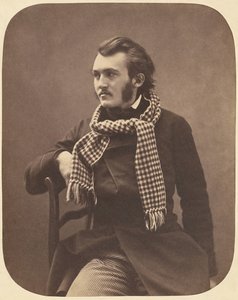
Доре, Гюстав
1832 - 1883 , Франция
Основные сведения
- Artistic Movement Or Style: Романтизм
- Artists Or Movements Influenced By This Artist: ['Винсент Ван Гог']
- Artists Who Influenced This Artist: ['Ж.Ж. Гранвилль']
- Date Of Birth: 6 января 1832 г.
- Date Of Death: 23 января 1883 г.
- Full Name: Paul Gustave Doré
- Nationality: Француз
- Notable Artworks:
- «Цветные» в Лондоне
- «Битва при Ватерлоо»
- «Дон Кихот»
- Place Of Birth: Страсбург, Франция
Похожие статьи
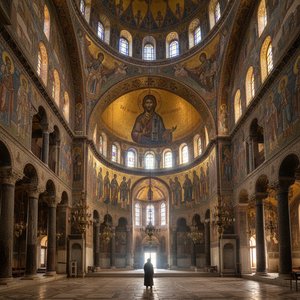
Illuminating Eternity: A Comprehensive Exploration of Byzantine Art's Legacy
Explore the rich history & stunning artistry of the Byzantine Empire! Discover iconic mosaics, profound symbolism, and lasting influence on Western art. A comprehensive guide for history lovers.
High Medieval Art: 10 Masterpieces That Shaped an Era | ArtsDot
Journey through High Medieval Art! Explore 10 iconic masterpieces – from Giotto's frescoes to stunning Gothic cathedrals. Discover the stories behind these timeless paintings, sculptures & illuminated manuscripts. Find museum-quality art reproductions at ArtsDot.com.
25 Шедевров Густава Климта: Искусство, Декор и Золотой Век Австрийского Модерна
Погрузитесь в мир Густава Климта! 25 шедевров австрийского модерна, символизма и золотой живописи. Узнайте истории создания знаменитых картин Климта и вдохновитесь для декора интерьера. Репродукции музейного качества на ArtsDot.com.
Illuminating Faith & Power: A Journey Through Medieval Art (c. 500 – c. 1500)
Explore the rich history of Medieval Art (c. 500 – c. 1500) with ArtsDot. Discover Byzantine mosaics, Gothic cathedrals & Renaissance masterpieces. Expert insights & museum-quality reproductions.
Paul Gustave Doré: A Master of Romantic Realism & the Illustrated Imagination
Explore the captivating world of Gustave Doré, master of Romantic realism & iconic illustrator. Discover his dramatic wood engravings, paintings, and sculptures – a legacy shaping art history. Learn more at ArtsDot.