 Предпросмотр
 Поделиться
 Поделиться
 Детали произведения

 Скачать
 Похожие работы
 Рентгенография
 Слайд-шоу
 Статистика
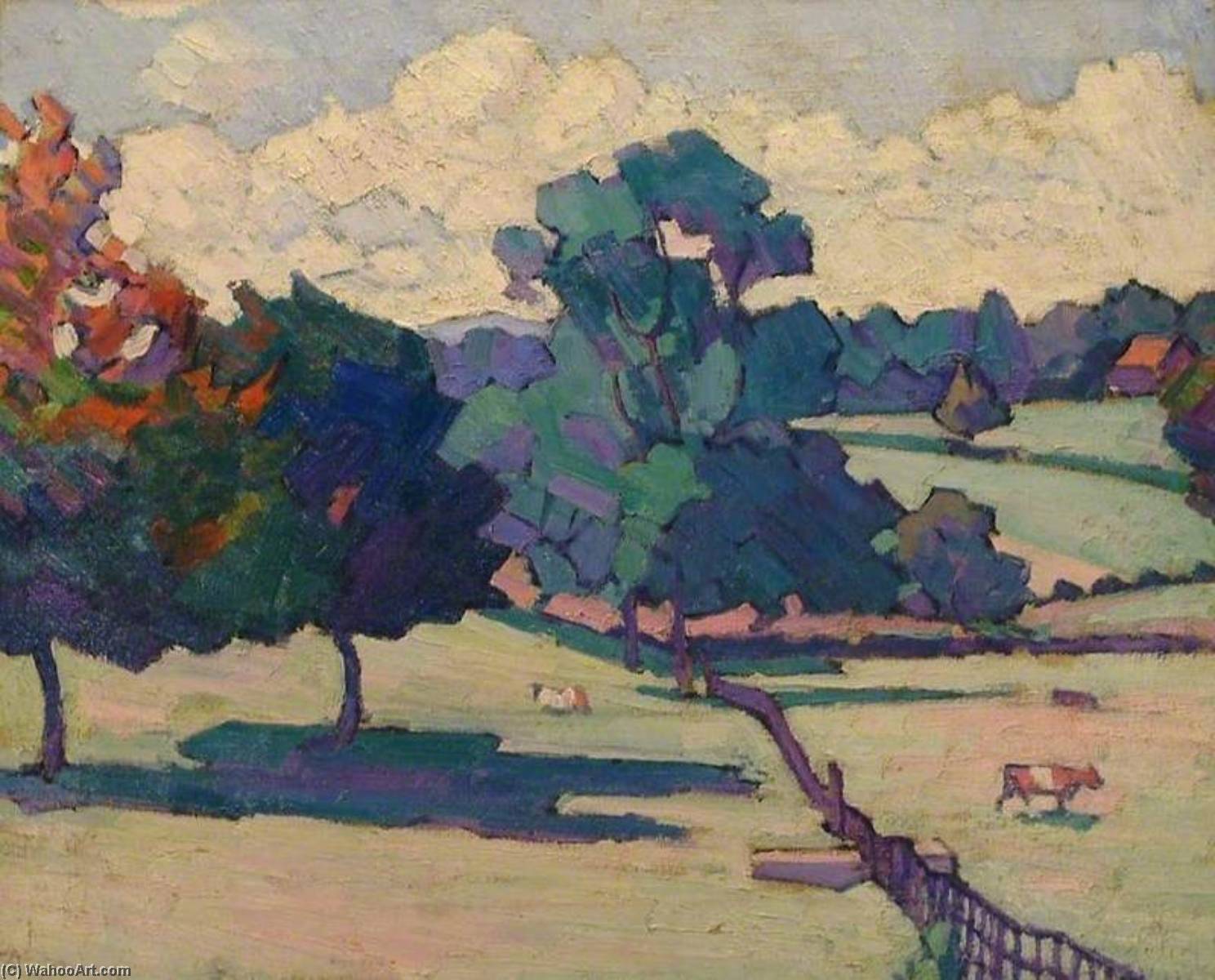
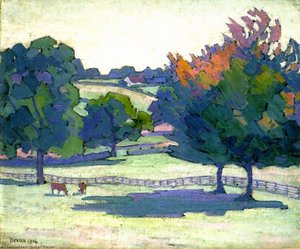
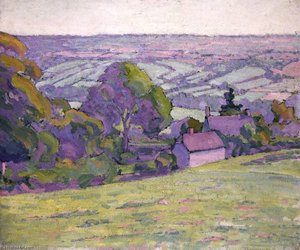
Поле города, Хоршгейт, Западный Суссекс
 Акрил на холсте
- Настенный декор
- Early Modernism
 1914
1914 68.0 x 78.0 cm
 Reading Museum - Town Hall
 Читать далее
Масляная репродукция ручной работы
Картина маслом на холсте в выбранном вами размере и раме, написанная на заказ нашими художниками. ( Перейти к печати Перейти к цифровым изображениям)




P118B $10

P118H $10

P118W $10

P438Z $10

P508JH $12

P508YH $12

P805H $10

P805Z $10

P919BZ $10

P919G $10

P919XJ $10

P959ZH $10

P968JZ $12

W106C $8

W218G $10

W218JH $8

W218Y $10

W307PJ $10

W316G $10

W316PJ $8

W316Y $10

W398PJ $8

W4111J $10

W500HY $15

W500JH $15

W692G $12

W849H $8

W940BG $15

W953PJ $8




Выберите один из наших стандартных размеров, соответствующих оригинальным пропорциям произведения искусства.

Вы можете указать собственные размеры, чтобы картина идеально вписалась в выбранную раму или пространство. Если выбранный вами размер не соответствует пропорциям оригинала, мы либо обрежем полотно, либо расширим его за счет дополнительных элементов, написанных вручную. Цифровой макет будет отправлен вам на утверждение перед началом производства.
Обратите внимание, что предварительный просмотр на экране не отражает фактическую обрезку или расширение. Только макет точно покажет окончательную композицию.
Хотя доступны индивидуальные размеры, мы рекомендуем выбирать вариант из предопределенного списка, чтобы сохранить исходные пропорции.
После оформления заказа команда ArtsDot.com свяжется с клиентом по электронной почте для уточнения деталей и предоставит предварительный макет
Доставка по всему миру () за 3–4 недели вместо стандартных 5 недель. (11 Сентябрь). Без компромиссов в качестве.

Бесплатная экспресс-доставка по всему миру

Высококачественный льняной холст

Полное страхование доставки

Гарантия возмещения таможенных пошлин

Гарантия точного соответствия цветов

100-дневная политика возврата (только при обнаружении дефектов)

Гарантия возврата 100% средств

Предложение оптовых скидок
 Вариант со стеклом доступен только для размеров менее 110 см

Поле города, Хоршгейт, Западный Суссекс
Техника репродукции
Размер репродукции
-


Итоговая стоимость
$ 263
Robert Polhill Bevan и картина «Поле в Хорсгейте»
Robert Polhill Bevan (1865–1925) был английским художником, draftsmanтом и литографом, который занимал ключевое место в начале XX века британского искусства. Он был одним из основателей группы Камден Таун, Лондонской группы и Cumberland Market Group. Его творчество отражает переход от импрессионизма к более радикальным исследованиям цвета и формы, демонстрируя влияние французской живописи конца XIX века и ранних годов XX века.- Ранняя жизнь и образование: Родился в Хьюве, недалеко от Брайтона, четвертым из шести детей Ричарда Александра Бевена (1834–1918), банкира, и Лауры Марии Полилл. Семья имела глубокие корни в Quaker и была связана с Barclays Bank. Его отец был потомком Сильвания Бевена ап Гургант и Роберта Барклая Аполога. Эти связи оказали влияние на формирование его мировоззрения и художественного вкуса. Первым учителем рисования был Артур Эрнест Пирс, который впоследствии стал главным дизайнером королевской керамической фабрики Дортмунд Роял.
- Путь в Парижскую Академию и знакомство с импрессионистами: Изучение искусства во Франции при Фреде Пирсе открыло ему путь к творческому развитию и вдохновило на создание произведений искусства, отражающих влияние европейской живописи того времени. Особенно важно было его участие в Академии Жюлиан в Париже, где он встретился с такими выдающимися художниками как Пьер Серисье, Эдуард Бунар и Морис Денис. Эти встречи сформировали его художественный стиль и мировоззрение.
- Бретонская школа и влияние импрессионизма: Поездка в Бретань в 1890 году под руководством Эрика Форбс-Робертсона стала поворотным моментом в творческой жизни Бевена. Он был очарован пейзажами Бретона и вдохновился работами Ван Гога и Серисье, что отразилось в его многочисленных этюдах и картинах этого периода. Эти работы демонстрируют мастерство художника в передаче света и атмосферы природы и являются ярким примером влияния французской школы импрессионизма.
- Техника и стиль: Бевен использовал технику дивизионного письма или точечного изображения, что позволило ему добиться необычайной выразительности и детализации своих работ. Этот метод был вдохновлен работами Серисье и Ван Гога и стал одним из ключевых элементов его художественного стиля. Его картины отличаются мягкими цветами и тонкой передачей светотени, создавая ощущение спокойствия и гармонии.
- Картина «Поле в Хорсгейте»: Эта картина представляет собой прекрасное изображение поля с деревьями на заднем плане. На поле пасутся несколько коров, а рядом с забором стоят два человека. Сцена происходит днем, что подтверждается присутствием теней от деревьев. Кроме коров есть собака в картине, расположенная справа от поля. Общая атмосфера картины передает ощущение мирной и идиллической сельской местности. Она является одним из самых известных произведений Бевена и демонстрирует его мастерство в использовании цвета и формы для передачи эмоционального состояния человека и окружающей среды.
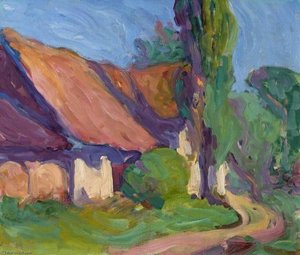
Похожие произведения
Биография художника
Robert Polhill Bevan (1865–1925): British Painter & Camden Town Group Founder
Robert Polhill Bevan, born in Hove in 1865, occupies a pivotal yet often understated position within the narrative of early 20th-century British art. Emerging from a Quaker background steeped in banking connections – his parents were Richard Alexander Bevan and Laura Maria Polhill – he defied conventional expectations to become a daring innovator, a key figure in the transition from Impressionism towards more radical explorations of color and form. His journey was one of constant experimentation, absorbing influences from across Europe while forging a distinctly personal artistic vision that would profoundly impact the development of modern art in Britain. Bevan’s early education at Westminster School of Art under Fred Brown provided a solid foundation, but it was his subsequent studies at the Académie Julian in Paris that truly ignited his creative spark. There, he encountered a constellation of rising stars – Paul Sérusier, Pierre Bonnard, Édouard Vuillard, and Maurice Denis – artists who were challenging academic conventions and embracing new approaches to painting. These encounters proved formative, exposing Bevan to the principles of synthetism and laying the groundwork for his future explorations.Early Influences & Parisian Awakening
Bevan’s artistic sensibilities were profoundly shaped by his formative years in Paris. The Académie Julian served as a crucible for innovation, immersing him in the vibrant intellectual atmosphere of the Belle Époque and introducing him to the groundbreaking ideas circulating amongst avant-garde artists. He was particularly captivated by the work of Paul Gauguin and Pierre Bonnard, whose bold use of color and simplified forms resonated deeply with his own artistic inclinations. These encounters instilled in Bevan a conviction that art should transcend mere representation, prioritizing emotional expression and capturing the essence of experience—a belief that would permeate his subsequent oeuvre. The influence of Maurice Denis’s emphasis on decorative elements and symbolic imagery further broadened Bevan's aesthetic horizons, encouraging him to consider how visual language could convey complex ideas and emotions. Importantly, Bevan wasn’t alone in this pursuit; he collaborated closely with fellow artists like Joseph Crawhall, fostering a dynamic exchange of perspectives that fueled his artistic development.Brittany & The Fauvist Impulse
The allure of Brittany proved irresistible to Bevan, propelling him on two significant expeditions between 1890 and 1891. Drawn to Pont-Aven’s distinctive landscape—characterized by rugged coastlines, verdant hillsides, and expansive skies—he absorbed the spirit of Gauguin's artistic vision. The bold colors championed by Gauguin – particularly crimson reds and ultramarine blues – exerted a powerful influence on Bevan’s early drawings and prints, prompting him to experiment with chromatic intensity as a means of conveying emotion. This fascination with pure color foreshadowed the emergence of Fauvism on the continent, demonstrating Bevan's willingness to embrace radical stylistic departures from traditional conventions. His paintings during this period—such as “The Chestnut Tree” and “Landscape in the Blackdown Hills”—are imbued with an unmistakable vibrancy, reflecting his immersion in Breton artistic culture and signaling a decisive step toward establishing his own distinctive aesthetic voice.Camden Town & The Pursuit of Modern Expression
Bevan’s artistic trajectory gained momentum through his involvement with the Camden Town Group—a collective of artists who sought to redefine British art by rejecting academic formalism and embracing expressive abstraction. Founded in 1911, this group comprised influential figures like Spencer Gore and Charles Ginner, united by a shared commitment to depicting modern urban life and exploring new visual languages. Bevan’s membership in Camden Town fostered collaboration and intellectual stimulation, propelling him toward bolder stylistic experiments—most notably his adoption of divisionist techniques reminiscent of Cézanne and Signac. His paintings from 1912-13 exemplify this approach, utilizing fragmented brushstrokes and juxtaposed colors to capture the dynamism of the cityscape and convey a sense of psychological depth. The Camden Town Group’s ethos—characterized by an openness to experimentation and a rejection of stylistic constraints—provided Bevan with invaluable guidance as he navigated the evolving landscape of British art in the years leading up to World War I.Legacy & Enduring Influence
Robert Polhill Bevan's contribution to British modernism extends far beyond his individual artworks. He stands as a pivotal figure for understanding the complex evolution of painting during this transformative era, embodying the spirit of innovation and artistic courage that defined the movement. His pioneering use of Fauvist principles—particularly in his exploration of color palettes—established him as a forerunner of stylistic developments that would resonate throughout subsequent decades. Furthermore, Bevan’s role in founding the Camden Town Group cemented his place within British art history, shaping the collective vision of artists determined to redefine artistic conventions and engage with contemporary social realities. His paintings continue to captivate audiences today, serving as enduring reminders of Bevan's unwavering commitment to expressive abstraction and his profound impact on the trajectory of British art—a legacy that secures his position as one of the most important figures in the history of modern British painting.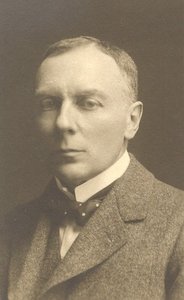
Роберт Поли́лл Бевэн
1865 - 1925 , Великобритания
Основные сведения
- Artistic Movement Or Style: Фавизм, Дивионизм
- Artists Or Movements Influenced By This Artist: ['Камбденский кружок']
- Artists Who Influenced This Artist:
- Павел Гугенхайм
- Эрнест Ремарк
- Жорж Сьюзе
- Date Of Birth: 1865
- Date Of Death: 1925
- Full Name: Robert Polhill Bevan
- Nationality: Британский
- Notable Artworks:
- Полевые работы
- Трансбортовая телега
- Place Of Birth: Хайвердж, Англия
Похожие статьи
10 Шедевров Фовизма: Яркие краски и революция в искусстве | ArtsDot
Погрузитесь в мир фовизма! 10 шедевров Матисса, Дерена и других гениев. Узнайте историю ярких красок, революционных техник и вдохновения для вашего интерьера. Репродукции картин на ArtsDot.com
Hubert Robert: Picturing Ruins, Preserving Memory – A Study of Romantic Antiquarianism & Artistic Innovation
Explore the captivating world of Hubert Robert, master of Romantic landscape painting & 'capriccio' ruins. Discover his historical context, artistic innovations, and collecting insights with ArtsDot.
Robert Bevan: Pioneering British Post-Impressionism & the Camden Town Group's Intimate Vision
Explore the life & work of Robert Bevan, a pioneer of British Post-Impressionism and founding member of the Camden Town Group. Discover his vibrant landscapes and lasting impact on early 20th-century art.

David Roberts: A Scottish Pioneer of Topographical Art & Orientalist Vision
Explore the captivating world of David Roberts, a pioneering Scottish painter renowned for his detailed Orientalist scenes & stunning Egyptian landscapes. Discover his legacy and find museum-quality reproductions at ArtsDot.
10 Шедевров Фовизма: Яркие краски и экспрессия в интерьере с ArtsDot
Погрузитесь в мир фовизма! 10 шедевров Матисса, Дерена и других мастеров экспрессионизма. Узнайте историю ярких красок и смелых форм. Репродукции картин высокого качества на ArtsDot.com – для вашего интерьера.