 Предпросмотр
 Поделиться
 Поделиться
 Детали произведения

 Скачать
 Похожие работы
 Рентгенография
 Слайд-шоу
 Статистика
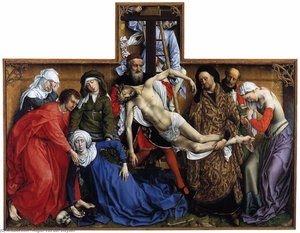
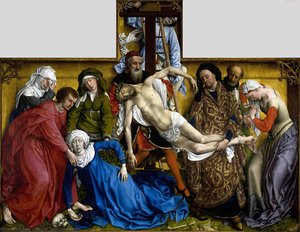
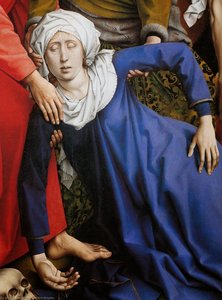
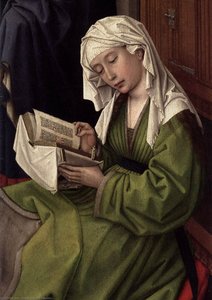
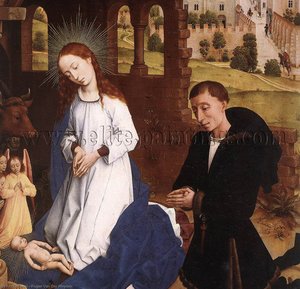
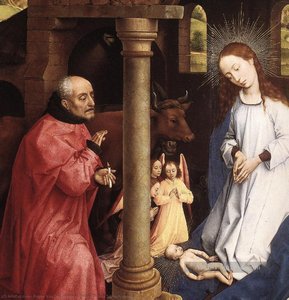
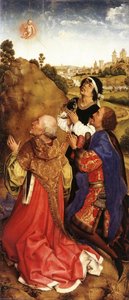
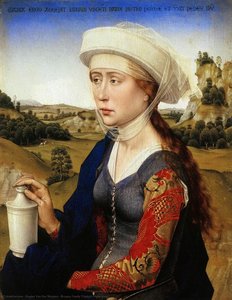
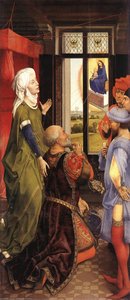
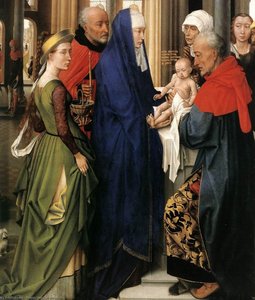
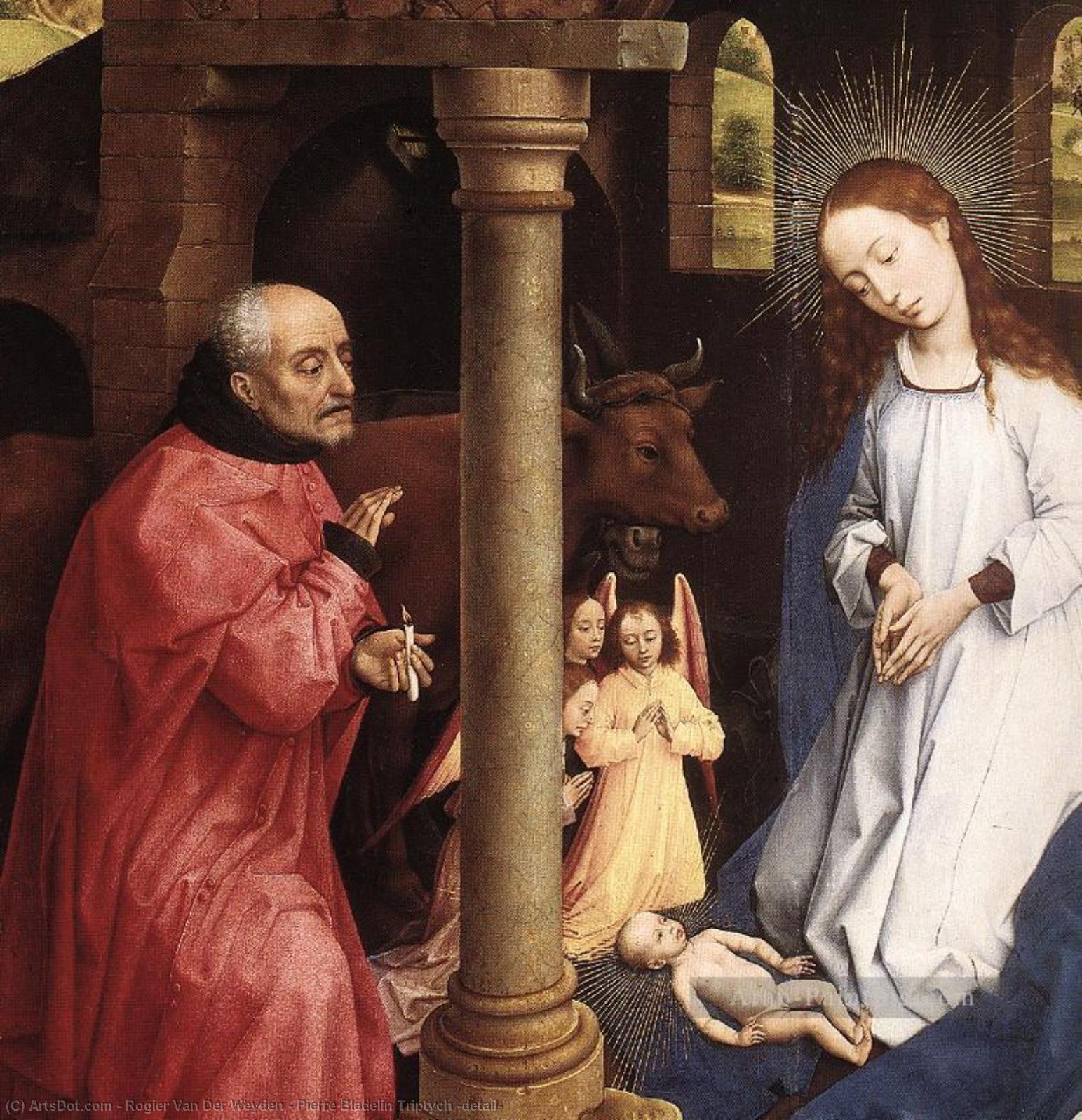
Триптих Пьера Бладелина (деталь)
 Масло на холсте
- Настенный декор
- Ранненидерландская живопись
 1445
1445- — Ренессанс
 Стейтлешские музеи Берлина
 Читать далее
Масляная репродукция ручной работы
Картина маслом на холсте в выбранном вами размере и раме, написанная на заказ нашими художниками. ( Перейти к печати Перейти к цифровым изображениям)




P118B $10

P118H $10

P118W $10

P438Z $10

P508JH $12

P508YH $12

P805H $10

P805Z $10

P919BZ $10

P919G $10

P919XJ $10

P959ZH $10

P968JZ $12

W106C $8

W218G $10

W218JH $8

W218Y $10

W307PJ $10

W316G $10

W316PJ $8

W316Y $10

W398PJ $8

W4111J $10

W500HY $15

W500JH $15

W692G $12

W849H $8

W940BG $15

W953PJ $8




Выберите один из наших стандартных размеров, соответствующих оригинальным пропорциям произведения искусства.

Вы можете указать собственные размеры, чтобы картина идеально вписалась в выбранную раму или пространство. Если выбранный вами размер не соответствует пропорциям оригинала, мы либо обрежем полотно, либо расширим его за счет дополнительных элементов, написанных вручную. Цифровой макет будет отправлен вам на утверждение перед началом производства.
Обратите внимание, что предварительный просмотр на экране не отражает фактическую обрезку или расширение. Только макет точно покажет окончательную композицию.
Хотя доступны индивидуальные размеры, мы рекомендуем выбирать вариант из предопределенного списка, чтобы сохранить исходные пропорции.
После оформления заказа команда ArtsDot.com свяжется с клиентом по электронной почте для уточнения деталей и предоставит предварительный макет
Доставка по всему миру () за 3–4 недели вместо стандартных 5 недель. (10 Сентябрь). Без компромиссов в качестве.

Бесплатная экспресс-доставка по всему миру

Высококачественный льняной холст

Полное страхование доставки

Гарантия возмещения таможенных пошлин

Гарантия точного соответствия цветов

100-дневная политика возврата (только при обнаружении дефектов)

Гарантия возврата 100% средств

Предложение оптовых скидок
 Вариант со стеклом доступен только для размеров менее 110 см

Триптих Пьера Бладелина (деталь)
Техника репродукции
Размер репродукции
-


Итоговая стоимость
$ 363
Видение веры: Деталь триптиха Пьера Бладелина Рогера ван дер Вейдена
Эта изысканная деталь шедевра Рогера ван дер Вейдена предлагает пленительный взгляд в сердце фламандского искусства XV века, раскрывая глубокий момент религиозного благоговения и человеческой связи.Сюжет и повествование
Изображенная сцена представляет собой часть «Поклонения волхвов», ключевого эпизода из Назаревой истории. Мы становимся свидетелями кульминации пути мудрецов, когда они приближаются к младенцу Иисусу, Марии и Иосифу. Композиция, даже в этой детали, кажется наполненной благоговением; фигуры тщательно расположены так, чтобы направить взгляд зрителя к центральной святой семье. Особо заметен Святой Франциск с горящей свечой – трогательное включение, добавляющее еще один слой духовного значения. Справа наблюдает ангел, завершая небесное собрание.Стиль и техника: Вершина ранненидерландской живописи
Манера письма ван дер Вейдена мгновенно узнаваема. Она воплощает все признаки ранненидерландской школы – скрупулезное внимание к деталям, богатую палитру красок и почти скульптурную подачу фигур. Мастерски использованная масляная живопись позволяет ему накладывать слои тонких лессировок, достигая поразительной светоносности и глубины. Перспектива, хотя и не столь развита по канонам Возрождения, создает пространственный интерес благодаря тщательному наслаиванию и перекрытию форм. Линии точны и четки, придавая ощущение структурированной элегантности.Символизм и значение
Сцена «Поклонения» насыщена символизмом. Она олицетворяет признание Иисуса Мессией как и еврейскими, и языческими народами – универсальное послание веры. Дары, принесенные волхвами, символизируют царственность, божественность и человеческую природу Христа. Присутствие Святого Франциска подчеркивает темы благочестия, смирения и преданности, отражая растущее влияние францисканского ордена в этот период. В целом сцена говорит о пришествии божественной благодати в мир.Исторический контекст: Мастер при куртинском дворе
Рогер ван дер Вейден (около 1400–1464 гг.) был одним из самых востребованных художников своего времени, служившим придворным живописцем Филиппа Доброго, герцога Бургундского. Его работы были высоко ценимы и циркулировали по всей Европе, влияя на поколения мастеров. Триптих «Пьер Бладелин», заказанный богатым купцом из Брюсселя, является образцом утонченного вкуса и религиозного пыла бургундского двора. Способность ван дер Вейдена передавать эмоции и психологическую глубину выделяет его среди современников.Эмоциональное воздействие и эстетическая привлекательность
Эта деталь вызывает чувство тихого благоговения и глубокой духовности. Драматическое освещение, с его резкими контрастами света и тени, усиливает эмоциональную напряженность сцены. Теплая цветовая палитра – доминирующие красные, золотые и коричневые тона – создает ощущение уюта и интимности. Для коллекционеров и дизайнеров интерьеров эта работа предлагает вневременную элегантность, которая украсит любое пространство, привнеся оттенок изысканности старых мастеров и созерцательной красоты.Ключевые особенности вкратце:
- Художник: Рогер ван дер Вейден
- Дата: 1445 г.
- Материал: Масло на панели (деталь)
- Стиль: Ранненидерландский, Поздняя готика
- Тема: Поклонение волхвов
Похожие произведения
Биография художника
A Master of Emotion: The Life and Legacy of Rogier van der Weyden
Rogier de la Pasture – known to history as Rogier van der Weyden – emerged around 1400 in the vibrant city of Tournai, nestled within what is now Belgium. This talented artist’s life was a testament to his dedication and skill, shaping the course of Early Netherlandish painting. While details surrounding his early years remain somewhat shrouded in mystery, it's believed he initially honed his craft not with brush and pigment alone, but as a goldsmith. This formative training instilled within him an unwavering commitment to meticulous detail and a refined sensibility for craftsmanship – qualities that would become instantly recognizable hallmarks of his artistic style. The precision demanded by working with precious metals undoubtedly translated into the exquisite rendering of textures, fabrics, and expressions that define his most celebrated masterpieces. He wasn’t merely depicting reality; he was recreating it with painstaking accuracy, imbued with an almost reverent attention to detail.From Tournai to Brussels: A Rising Star
By 1427, van der Weyden had ascended to the rank of master within the Guild of Saint Luke in Tournai – a significant milestone that solidified his position as a professional artist and opened doors to prestigious commissions. His career truly took flight when he entered the service of Philip the Good, Duke of Burgundy, in 1435. This patronage was transformative; it provided not only financial security but also access to an elite circle of influence and exposure to some of the most discerning eyes of the era. It was during this period that van der Weyden’s artistic vision truly began to mature, moving away from the somewhat rigid conventions of earlier Netherlandish painters towards a more emotionally resonant and naturalistic approach. He wasn't simply painting religious scenes; he was striving to evoke genuine feeling in the viewer, to create an experience that transcended mere observation. His work reflected a growing interest in portraying human emotion with unprecedented depth and sensitivity – a departure from the stylized representations of earlier periods.The Language of Feeling: Style and Technique
Rogier van der Weyden’s artistic signature is immediately recognizable through several defining characteristics. His palette was remarkably rich and diverse, a vibrant tapestry of colors carefully chosen to avoid repetition and create depth and complexity within his compositions. He possessed an extraordinary ability to convey profound emotion – *pathos* – particularly in depictions of religious subjects like the Lamentation, where grief and sorrow are palpable. This emotional intensity wasn’t achieved through dramatic gestures or exaggerated expressions; rather, it was subtly woven into the very fabric of the painting, conveyed through delicate nuances of facial expression, body language, and composition. His figures, while adhering to the conventions of the time, demonstrate a growing interest in realistic representation – not just in anatomy and drapery, but also in capturing the psychological states of his subjects. They possess a dignified, almost sculptural quality, particularly evident in his grand triptychs, lending them an air of solemnity and reverence. He masterfully employed oil paint, building up layers of translucent glazes to achieve luminous effects and create a sense of depth and realism that was revolutionary for its time. The use of light and shadow – *chiaroscuro* – became a key element in his dramatic compositions, further enhancing the emotional impact of his works.Notable Works and Enduring Masterpieces
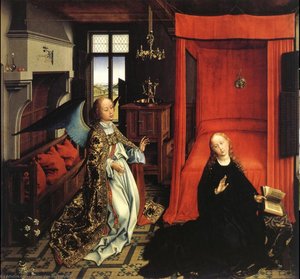
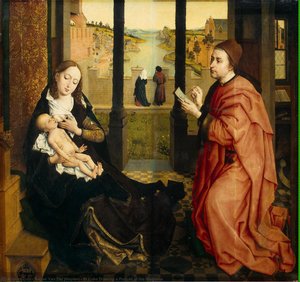
Throughout his prolific career, van der Weyden produced numerous works that stand as testaments to his artistic prowess. St Luke Drawing a Portrait of the Madonna, housed in the Museum of Fine Arts, Boston, showcases his mastery of oil on panel and meticulous observation. The *Lamentation*, residing in the Musée des Beaux-Arts Tournai, Belgium, is perhaps his most celebrated work – a powerfully emotive depiction of Christ’s mourning, renowned for its dramatic use of *chiaroscuro* and its ability to evoke profound sorrow in the viewer. Multiple versions of The Deposition exist, each demonstrating his skill in conveying grief and drama with breathtaking sensitivity. The *Annunciation*, a masterpiece of refined style and attention to detail, exemplifies his ability to imbue even the most traditional subjects with a sense of freshness and vitality. And finally, the intricate and richly detailed *Bladelin Triptych* stands as a monumental achievement – a complex altarpiece that showcases the full range of van der Weyden’s artistic abilities. These works, and many others, continue to captivate audiences today, solidifying his position as one of the most important painters of the 15th century.Lasting Influence: A Legacy Forged in Paint
Van der Weyden's influence extended far beyond the borders of his native Flanders. His works were highly sought after throughout Europe, particularly in Italy and Spain, where they introduced a new level of emotional depth and naturalism to local artistic traditions. Although his fame experienced a period of relative decline in the 17th century, a rediscovery during the 19th century cemented his place as one of the most important painters of the 15th century. He stands alongside Jan van Eyck and Robert Campin as one of the “three great” Early Flemish masters, each contributing uniquely to the development of Northern Renaissance art. His innovative techniques and emotionally charged compositions paved the way for future generations of artists, inspiring countless imitators and influencing the course of Western painting for centuries to come. He helped establish oil painting as the dominant medium and elevated the status of the artist within society, transforming them from skilled craftsmen into revered creators. Rogier van der Weyden’s legacy continues to resonate today, a testament to his enduring genius and his profound understanding of the human condition.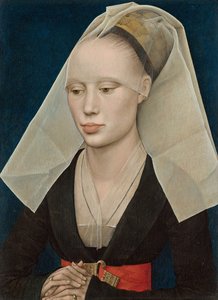
Рогер ван дер Вейден
1400 - 1464 , Бельгия
Основные сведения
- Artistic Movement Or Style: Ранненидерландское искусство
- Artists Or Movements Influenced By This Artist:
- Итальянское Ренессанс
- Испанская живопись
- Artists Who Influenced This Artist:
- Роберт Кампин
- Ян ван Эйк
- Date Of Birth: c. 1400
- Date Of Death: 1464
- Full Name: Rogier van der Weyden
- Nationality: Бельгиец
- Notable Artworks:
- Схождение с креста
- Плачущие
- Поклонение волхвов
- Place Of Birth: Tournai, Бельгия
Похожие статьи

10 Шедевров Раннего Нидерландского Живописи: История Искусства в Вашем Интерьере
Погрузитесь в мир Раннего нидерландского живописи! Откройте 10 шедевров Яна ван Эйка, Рогира ван дер Вейдена и других мастеров. История искусства, техника исполнения и вдохновение для вашего интерьера на ArtsDot.com.
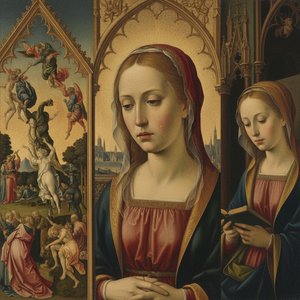
Rogier van der Weyden: Emotion, Innovation & the Early Netherlandish Renaissance
Explore the revolutionary art of Rogier van der Weyden, a pivotal figure of the Early Netherlandish Renaissance. Discover his emotional realism, innovative compositions, and lasting impact on painting history.

Рембрандт ван Рейн: Топ-25 шедевров великого голландского мастера | ArtsDot
Погрузитесь в мир великого Рембрандта! 25 шедевров голландского барокко, истории создания картин и уникальные техники художника. Купите репродукции картин Рембрандта высочайшего качества для вашего интерьера на ArtsDot.com
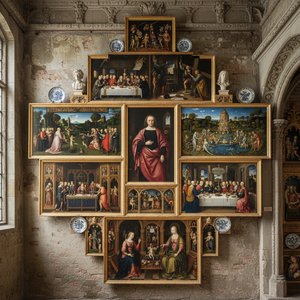
Топ-10 шедевров Раннего Нидерландского Возрождения: искусство для вашего дома
Погрузитесь в мир Раннего Нидерландского Возрождения! Узнайте истории создания шедевров Яна ван Эйка, Кампена и других великих мастеров. Купите высококачественные репродукции картин для вашего интерьера на ArtsDot.com.
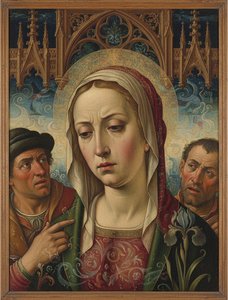
Hugo van der Goes: Devotion, Innovation & the Psychological Depth of Early Netherlandish Painting
Explore the revolutionary art of Hugo van der Goes – a master of Early Netherlandish painting renowned for his dramatic realism, psychological depth & profound influence on Renaissance artists. Discover his iconic works and lasting legacy.