 Предпросмотр
 Поделиться
 Поделиться
 Детали произведения

 Скачать
 Похожие работы
 Рентгенография
 Слайд-шоу
 Статистика
Людвиг ван Бетховен


 Читать далее
Масляная репродукция ручной работы
Картина маслом на холсте в выбранном вами размере и раме, написанная на заказ нашими художниками. ( Перейти к печати Перейти к цифровым изображениям)




P118B $10

P118H $10

P118W $10

P438Z $10

P508JH $12

P508YH $12

P805H $10

P805Z $10

P919BZ $10

P919G $10

P919XJ $10

P959ZH $10

P968JZ $12

W106C $8

W218G $10

W218JH $8

W218Y $10

W307PJ $10

W316G $10

W316PJ $8

W316Y $10

W398PJ $8

W4111J $10

W500HY $15

W500JH $15

W692G $12

W849H $8

W940BG $15

W953PJ $8




Выберите один из наших стандартных размеров, соответствующих оригинальным пропорциям произведения искусства.

Вы можете указать собственные размеры, чтобы картина идеально вписалась в выбранную раму или пространство. Если выбранный вами размер не соответствует пропорциям оригинала, мы либо обрежем полотно, либо расширим его за счет дополнительных элементов, написанных вручную. Цифровой макет будет отправлен вам на утверждение перед началом производства.
Обратите внимание, что предварительный просмотр на экране не отражает фактическую обрезку или расширение. Только макет точно покажет окончательную композицию.
Хотя доступны индивидуальные размеры, мы рекомендуем выбирать вариант из предопределенного списка, чтобы сохранить исходные пропорции.
После оформления заказа команда ArtsDot.com свяжется с клиентом по электронной почте для уточнения деталей и предоставит предварительный макет
Доставка по всему миру () за 3–4 недели вместо стандартных 5 недель. (11 Сентябрь). Без компромиссов в качестве.

Бесплатная экспресс-доставка по всему миру

Высококачественный льняной холст

Полное страхование доставки

Гарантия возмещения таможенных пошлин

Гарантия точного соответствия цветов

100-дневная политика возврата (только при обнаружении дефектов)

Гарантия возврата 100% средств

Предложение оптовых скидок
 Вариант со стеклом доступен только для размеров менее 110 см

Людвиг ван Бетховен
Техника репродукции
Размер репродукции
-


Итоговая стоимость
$ 263
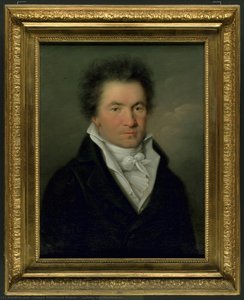
Портрет Людвига ван Бетховена Луи фон Карлофельда: Символ Гения и Эпохи
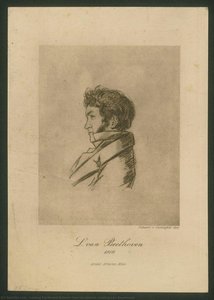
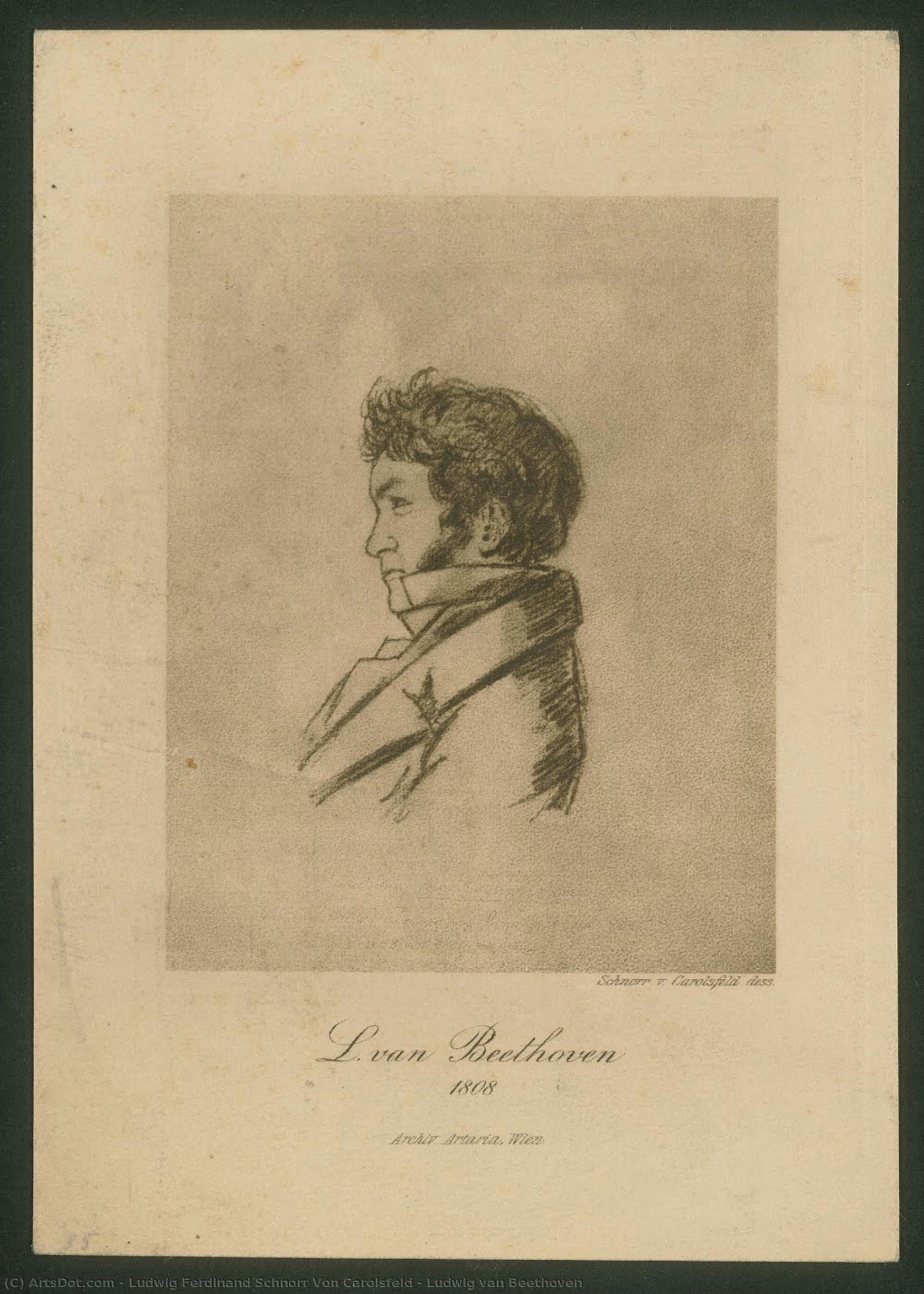
Картина Луи фон Карлофельда «Людвиг ван Бетховен» представляет собой выдающийся пример живописи эпохи романтизма, отражающий глубокое понимание личности гениального композитора и его влияния на искусство и культуру XIX века. Созданная в 1875 году немецким художником Луи фон Карлофельдом, эта работа является одним из самых известных изображений Бетховена и занимает особое место в истории искусства.
- Художник: Луи фон Карлофельд (1788 – 1853 гг.) был немецким живописцем и гравером, который прославился своими портретами и пейзажами. Его творчество характеризуется тонкой передачей эмоций и психологической глубины, что делает его работы особенно привлекательными для зрителей и коллекционеров.
- Стиль: Карлофельд работал в стиле романтизма, который был доминирующим направлением в европейском искусстве второй половины XIX века. Этот стиль отличался стремлением к выражению чувств и эмоций, идеализации красоты и внимания к деталям природы и человеческой психологии.
- Техника: Портрет выполнен в технике энгравюры на листе бумаги, что обеспечивает высокую детализацию изображения и позволяет сохранить тонкие оттенки цвета и текстуры. Энгравюра была популярной техникой живописи того времени и требовала от художника мастерства и терпения.
- Исторический контекст: Работа создавалась в период расцвета немецкого романтизма, когда Бетховен был одним из самых почитаемых музыкантов Европы. Портрет отражает общественное признание гения композитора и его значимость для культурной жизни того времени.
Детали Изображения и Символизм
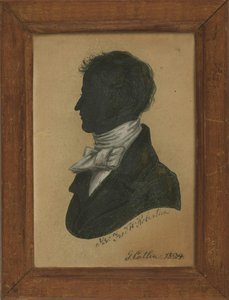
Фотография изображения показывает черно-белый рисунок Людвига ван Бетховена, выдающегося немецкого композитора. Рисунок передает основные черты лица Бетховена и придает ему серьезный вид. Композитор одет в костюм и галстук, что подчеркивает официальность портрета. Рисунок отличается высокой детализацией, что свидетельствует о мастерстве художника и его внимании к мельчайшим деталям изображения.
В изображении использованы элементы символизма, которые отражают характерные черты эпохи романтизма и подчеркивают духовное богатство личности Бетховена. Например, строгий взгляд композитора может символизировать его целеустремленность и интеллектуальную энергию, а одежда указывает на его социальный статус и образованность.
Эмоциональное Воздействие и Значение Произведения
Картина Луи фон Карлофельда «Людвиг ван Бетховен» вызывает у зрителя чувство восхищения и уважения к гению композитора. Она передает его внутренний мир и энергию творчества, а также отражает эстетические идеалы эпохи романтизма. Этот портрет является одним из самых важных произведений искусства XIX века и продолжает вдохновлять художников и музыкантов по всему миру.
- Размер: 19 х 13 см
- Дата создания: 1875 г.
Эта работа является прекрасным примером искусства романтизма и демонстрирует высокое мастерство Луи фон Карлофельда в передаче человеческой личности и эмоционального состояния.
Похожие произведения
Биография художника
Thomas Gainsborough: A Master of Light and Landscape
Thomas Gainsborough, a name synonymous with the quintessential English countryside and the subtle grace of portraiture, was born in Sudbury, Suffolk, on May 14th, 1727. His early life, steeped in the traditions of a cloth-merchant family, seemed destined for a predictable path – an apprenticeship in silversmithing. However, a youthful fascination with drawing and a fortuitous encounter with Hubert Gravelot, a French book illustrator working in London, irrevocably altered his trajectory. This introduction to the world of printmaking ignited a passion that would define his artistic career, leading him away from the confines of the workshop and towards the captivating landscapes and discerning portraits that would secure his enduring legacy. Gainsborough’s journey wasn't one of immediate success; it was a gradual cultivation of skill and vision, marked by periods of struggle and relentless dedication to his craft.Early Years and Artistic Training
Gainsborough’s initial training as a silversmith provided him with valuable technical skills – an understanding of line, form, and the manipulation of metal. Yet, it was Gravelot who truly nurtured his artistic sensibilities. The older artist recognized Gainsborough's innate talent and took him on as an apprentice, exposing him to the intricacies of engraving and printmaking. This period proved crucial in developing Gainsborough’s observational skills and fostering a deep appreciation for detail. Crucially, Gravelot encouraged Gainsborough to study nature directly – a practice that would become central to his artistic philosophy. Following his apprenticeship, Gainsborough established his own studio in London, initially focusing on producing decorative prints and engravings. These early works demonstrated a burgeoning talent for capturing the nuances of light and shadow, hinting at the landscapes he would later master. It was during this time that he began experimenting with oil painting, laying the groundwork for his future success as a portraitist.The Rise to Prominence: Portraiture and Landscape
By the 1760s, Gainsborough’s reputation as a portrait painter began to flourish. He possessed an uncanny ability to capture not just physical likenesses but also the character and personality of his subjects. His portraits were characterized by a remarkable naturalism – a willingness to depict sitters in contemporary dress and with relaxed poses, eschewing the stiff formality prevalent in many aristocratic commissions. He cultivated a network of wealthy patrons, including members of the royal family, who sought his services for capturing their likenesses. Simultaneously, Gainsborough never abandoned his passion for landscape painting. He viewed these scenes not merely as decorative backgrounds but as integral to his artistic vision. His landscapes were imbued with a sense of atmosphere and light—a masterful use of color and brushwork that captured the fleeting beauty of the English countryside. This dual focus – portraiture and landscape – became a defining characteristic of his oeuvre, allowing him to explore both the human subject and the natural world with equal depth and sensitivity.Technique and Influences
Gainsborough’s artistic style evolved significantly throughout his career. His early works were influenced by Gravelot's meticulous attention to detail and the Rococo aesthetic, characterized by delicate brushwork and pastel colors. However, as he matured, his technique became looser and more expressive, embracing a brighter palette and a greater emphasis on capturing the essence of his subjects. He developed a distinctive ‘broken’ brushstroke—a technique that created a sense of shimmering light and atmospheric depth. His use of color was particularly remarkable; he employed subtle gradations to create a luminous effect, as if bathed in sunlight. Gainsborough's work also reflects the influence of Dutch Masters like Rembrandt and Constable, whose mastery of light and shadow he deeply admired. He studied their techniques meticulously, incorporating them into his own practice. Furthermore, he drew inspiration from the picturesque tradition—a movement that emphasized the beauty of unspoiled nature and the romanticization of rural life.Legacy and Historical Significance
Thomas Gainsborough died in London on August 2nd, 1788, leaving behind a remarkable body of work that continues to captivate audiences today. He is considered one of the most important British artists of the late 18th century, alongside Sir Joshua Reynolds. While Reynolds championed classical ideals and formal techniques, Gainsborough embraced a more naturalistic approach, prioritizing observation and capturing the spirit of his subjects and landscapes. His portraits are celebrated for their psychological depth and emotional resonance, while his landscapes evoke a profound sense of tranquility and beauty. Gainsborough’s influence on subsequent generations of British artists is undeniable. He helped to establish a distinctly English style of painting—one that was rooted in observation, sensitivity, and a deep appreciation for the natural world. His work remains an enduring testament to the power of art to capture the essence of human experience and the sublime beauty of the English countryside. Notably, recent scholarship has uncovered uncomfortable connections between Gainsborough’s success and the institution of slavery, highlighting the complex ethical considerations inherent in examining the lives and legacies of historical figures.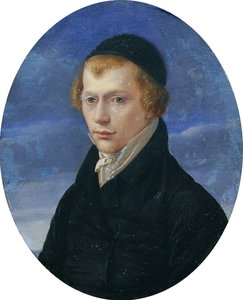
ludwig ferdinand schnorr von carolsfeld
1788 - 1853 , Germany
Основные сведения
- Artistic Movement Or Style: Picturesque, Landscape
- Artists Or Movements Influenced By This Artist:
- Rococo
- British School
- Artists Who Influenced This Artist: ['Hubert Gravelot']
- Date Of Birth: May 14, 1727
- Date Of Death: August 2, 1788
- Full Name: Thomas Gainsborough
- Nationality: British
- Notable Artworks:
- Musidora
- The Baillie Family
- Lady Rufford
- Place Of Birth: Sudbury, Suffolk
Похожие статьи
Timeless Resonance: Exploring Classic Vibe in Art – A Historical & Aesthetic Analysis
Explore the rich history & enduring aesthetic of Classicism art! Discover key movements, iconic artists like Raphael & David, and its lasting influence on Western art. Deepen your appreciation today.
The Enduring Legacy of Classicism: Principles, Evolution & Influence in Western Art
Explore the enduring legacy of Classicism in Western art! Discover its historical context, key principles, iconic masterpieces & lasting influence. Learn about Renaissance and Neoclassical movements with ArtsDot.

Romantic Realism's Finest: 10 Masterpieces for Your Home | ArtsDot
Explore 10 defining masterpieces of Romantic Realism! Discover Courbet, Millet & Daumier's powerful paintings—capturing emotion and social realities. Find museum-quality reproductions for your home at ArtsDot.com.
10 Шедевров Неоклассицизма: Искусство, Определившее Эпоху | ArtsDot
Погрузитесь в мир неоклассицизма! 10 шедевров от Давида, Канновы и других великих художников. Узнайте историю создания культовых картин и вдохновитесь для интерьера. Репродукции музейного качества на ArtsDot.com
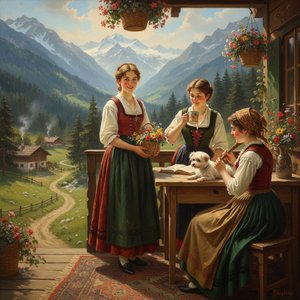
Eugen von Blaas: Capturing Alpine Life & Sentiment in 19th-Century Austrian Painting
Discover the captivating world of Eugen von Blaas! Explore his exquisite 19th-century paintings capturing Venetian life & Alpine beauty. Learn about his Academic Classicism style and find museum-quality reproductions at ArtsDot.