Меню

период

движение

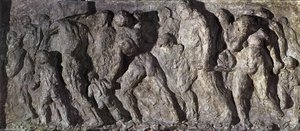
  1. The Emigrants — Оноре Дамир, 1850
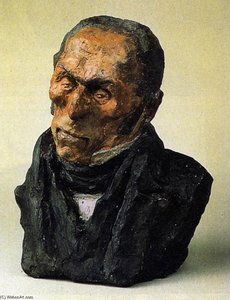
  2. Guizot or the Bore — Оноре Дамир, 1832
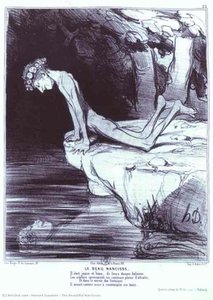
  3. The Beautiful Narcissus — Оноре Дамир, 1842

атмосфера

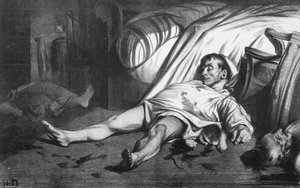
  1. Rue Transnonain, April 15, 1834 — Оноре Дамир, 1834
  2. The Emigrants — Оноре Дамир, 1850
  3. The Chinchillas — Гойя, 1799
  4. Иосиф и Прекрасная Женщина Потифара — Рембрандт ван Рейн, 1634
  5. Charles Philipon — Оноре Дамир, 1833
  6. Tantalo — Гойя
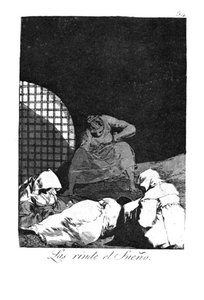
  7. Sleep overcomes them — Гойя, 1799
  8. Guizot or the Bore — Оноре Дамир, 1832
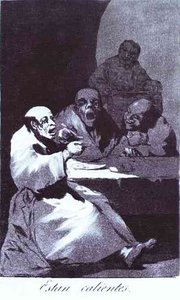
  9. Capricho 13 Estan calientes — Гойя
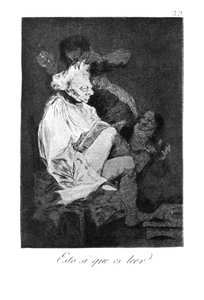
  10. This certainly is reading — Гойя, 1799
  11. Мы хотим Барбассу — Оноре Дамир, 1852

темы

  1. The Beautiful Narcissus — Оноре Дамир, 1842

ключевые слова

  1. Rue Transnonain, April 15, 1834 — Оноре Дамир, 1834
  2. Guizot or the Bore — Оноре Дамир, 1832

тон

  1. Rue Transnonain, April 15, 1834 — Оноре Дамир, 1834
  2. The Emigrants — Оноре Дамир, 1850
  3. Charles Philipon — Оноре Дамир, 1833
  4. Tantalo — Гойя
  5. Sleep overcomes them — Гойя, 1799
  6. Guizot or the Bore — Оноре Дамир, 1832
  7. Capricho 13 Estan calientes — Гойя
  8. This certainly is reading — Гойя, 1799
  9. The Beautiful Narcissus — Оноре Дамир, 1842

основной цвет

  1. The Chinchillas — Гойя, 1799
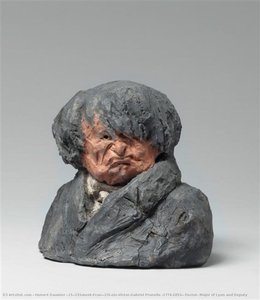
  2. Clément-François-Victor-Gabriel Prunelle (1774-1853), Doctor, Major of Lyon and Deputy — Оноре Дамир, 1832
  3. Rue Transnonain, April 15, 1834 — Оноре Дамир, 1834
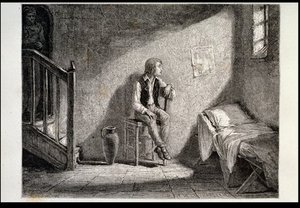
  4. The Dauphin In Captivity — hippolyte de la charlerie
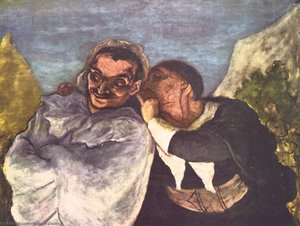
  5. Crispin and Scapin — Оноре Дамир, 1858

другое

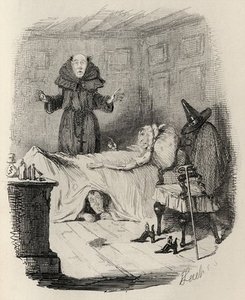
  1. The Confession Of The Old Woman Clothed In Grey — Джон Лич
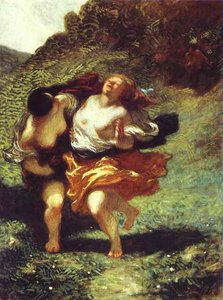
  2. Women Running from Satyrs — Оноре Дамир
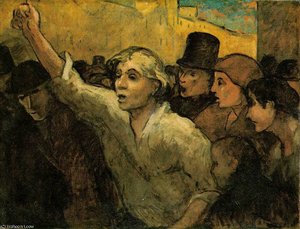
  3. The uprising - - — Оноре Дамир, 1860
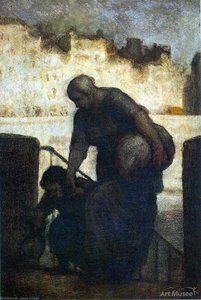
  4. Laundress on the Quai d'Anjou — Оноре Дамир, 1860
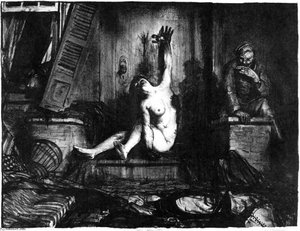
  5. The Cigarette — George Wesley Bellows, 1918
  6. The Profligate — Томас Роулендсон
  7. Knife grinder — simon françois ravenet
  8. Voyogeurs appreciant de moins en moins les wagons de troisieme classe pendant l — Оноре Дамир
  9. The Inferno, Canto 18, lines 130-132. Thais is this, the harlot, whose false lip Answer’d her doting paramour that ask’d, ‘Thankest me much!’ — Доре, Гюстав